










John Davidson, BAFTA, And I Swear Movie Ignite Fresh Spotlight On Tourette Syndrome At The BAFTAs


A tense moment at the BAFTA Film Awards has turned into a wider conversation about live-event inclusion, broadcast safeguards, and what audiences understand about Tourette syndrome. The incident centered on John Davidson, a Tourette syndrome campaigner whose life inspired the I Swear movie, and unfolded while Michael B Jordan and Delroy Lindo were on stage presenting during the BAFTAs.
BAFTA Film Awards Moment Puts Michael B Jordan And Delroy Lindo In The Spotlight
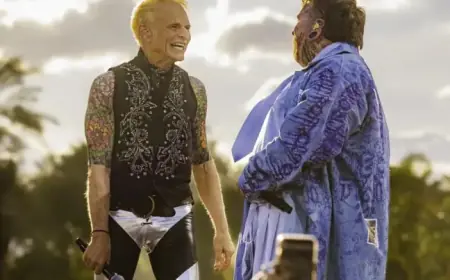
During the BAFTA Film Awards ceremony on Sunday, Feb. 22, 2026 (ET), a loud verbal tic from the auditorium included an extremely offensive term at the same time Michael B Jordan and Delroy Lindo were presenting an award. The moment created an immediate jolt in the room and on the telecast, with attention quickly shifting from the category presentation to the broader question of how such a situation could occur on a major awards stage.
In a statement issued the next day, BAFTA said it takes responsibility for the circumstances that placed guests in a difficult situation and apologized directly to Michael B Jordan and Delroy Lindo, while also acknowledging the complex reality of involuntary tics caused by Tourette syndrome.
John Davidson Tourette Syndrome: What BAFTA Said About The Guest In The Room
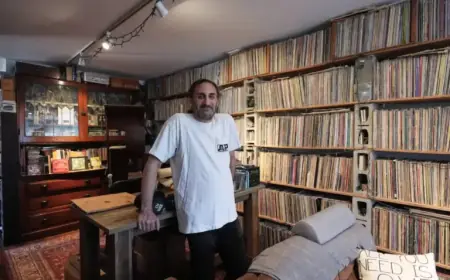
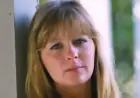
BAFTA identified John Davidson MBE as the guest whose Tourette syndrome can involve involuntary verbal tics. The organization said attendees were alerted before and during the ceremony that strong language or involuntary sounds and movements could be heard, describing those steps as part of an inclusion-first approach.
BAFTA also said that after the incident, John Davidson chose to leave the auditorium and watch the remainder of the show from a screen, framing it as an effort to reduce further disruption on what was meant to be a celebratory night connected to the I Swear project.
John Davidson I Swear: The I Swear Movie Becomes Part Of The BAFTA Awards Story
The controversy has also pulled renewed attention to the I Swear movie itself. The film is built around John Davidson’s life story and his experiences living with Tourette syndrome, and it entered the BAFTA awards conversation not only through nominations but through its creative team’s presence in the room.
Robert Aramayo, who plays Davidson in I Swear, emerged as one of the night’s central figures after winning the leading actor prize. That win turned I Swear into a major talking point at the BAFTAs even before the incident, and it has now become inseparable from the week’s broader discussion about disability, representation, and responsibility at large-scale televised events.
John Davidson Tourette’s: Davidson Says He Expected Edits On The BAFTAs Telecast
In comments published on Wednesday, Feb. 25, 2026 (ET), John Davidson said he had been given the impression that any swearing would be edited out of the broadcast. He also described feeling upset as the impact of the moment sank in, while emphasizing a key point that often gets lost in fast-moving outrage: Tourette syndrome tics are involuntary and do not reflect a person’s beliefs or intent.
That detail has sharpened questions around process rather than blame—especially because the telecast was not presented as fully live in real time. The incident has become a case study in how delay systems, audio capture in the room, and editorial decision-making can still fail to prevent harm, even when organizers acknowledge the risk in advance.
BAFTA Awards Next Steps: Inclusion, Duty Of Care, And The Limits Of Delay
The BAFTA awards now face a dual challenge: protecting guests and viewers from harmful language while also avoiding stigma toward people living with Tourette syndrome. The organization’s response has leaned on both principles—apology and accountability for the impact, alongside explicit recognition that involuntary verbal tics are a medical reality rather than an intentional act.
A key tension remains unresolved. If a show anticipates that involuntary tics may be audible, the burden shifts to production planning: mic placement, audience seating layout, audio mixing, and delay editing all become part of duty of care. At the same time, overcorrecting can create a different harm—pushing disabled guests out of public spaces rather than designing events that include them safely.
Timeline Of The BAFTAs Discussion (ET)
| Date (ET) | What Happened | Keywords Tied To The Event |
|---|---|---|
| Feb. 22, 2026 | BAFTA Film Awards ceremony; incident occurs while presenters are on stage | bafta film awards, baftas, michael b jordan, delroy lindo |
| Feb. 23, 2026 | BAFTA issues public apology and explanation | bafta, bafta awards, tourette syndrome |
| Feb. 25, 2026 | John Davidson addresses expectations about edits and expresses distress | john davidson tourette, john davidson tourette’s, john davidson i swear, i swear |
As the conversation continues, the most immediate test will be whether future BAFTAs and other major ceremonies move beyond statements and into concrete production changes—without turning disability into an afterthought or a reason for exclusion.