









Mexico Soccer: FIFA Voices Confidence as Cartel Violence Disrupts Jalisco Ahead of World Cup

mexico soccer fans and organizers confronted immediate uncertainty after the killing of Nemesio Oseguera Cervantes, known as "El Mencho, " set off a wave of cartel violence in Jalisco. The unrest has triggered roadblocks, vehicle fires and event cancellations, prompting public reassurances from FIFA and Mexican authorities as the tournament approaches.
Mexico Soccer: FIFA, Infantino and Federal Guarantees
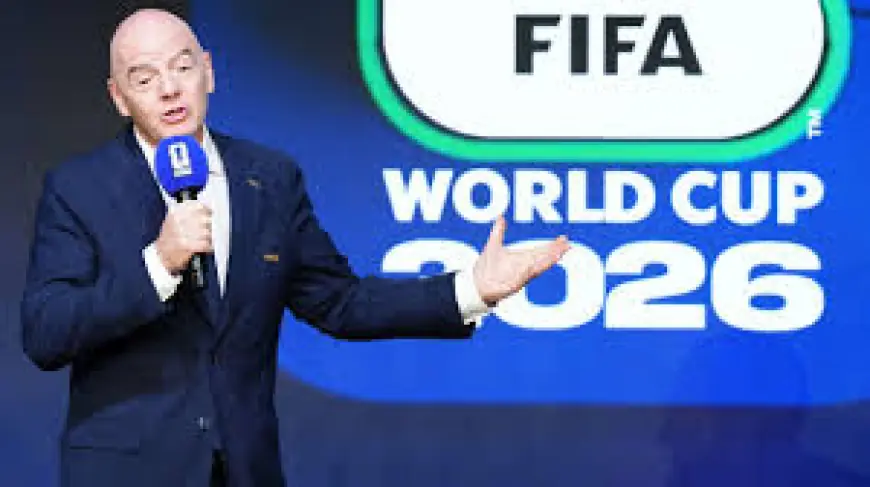
FIFA president Gianni Infantino said he felt "very reassured" that co-hosts Mexico can still stage "spectacular" World Cup games, and the governing body said it was closely monitoring the situation and in constant communication with federal, state and local authorities. Mexican President Claudia Sheinbaum told national media that calm had returned to affected areas and insisted there was "no risk" to international visitors.
The tournament runs from 11 June to 19 July, and Mexican venues include five matches in Mexico City, four in Guadalajara and four in Monterrey. What makes this notable is the timing: the violence erupted in the days immediately before the 11 June start, increasing pressure on security plans and travel decisions for supporters and organizers alike.
White House press secretary Karoline Leavitt stated that no U. S. citizens had been reported directly affected by the violence, while FIFA emphasized it would follow directives from government agencies aimed at restoring normalcy and maintaining public safety.
Guadalajara: Roadblocks, Cancellations and Local Impact
The violence began in central-western Jalisco after the military operation that killed El Mencho and has since spread to multiple regions. The Jalisco New Generation Cartel (CJNG) engaged in gun battles with the military, blocked roads and burned vehicles, with video footage showing smoke over Guadalajara. State authorities declared a code red security situation, and Mexican more than 60 people died in the operation and its immediate aftermath, including 25 soldiers.
The unrest produced concrete disruptions: mass events were canceled, a Chivas versus América Femenil match at Akron Stadium was suspended, and in-person classes were temporarily halted until Wednesday. Guadalajara, which is slated to host four World Cup matches including Mexico's second group game and the high-profile Spain versus Uruguay fixture, expects to receive more than three million visitors during the tournament.
Local travel was affected: one fan’s relative attempting to leave Jalisco for the United States was blocked en route to the airport, and some overseas supporters are reconsidering plans after images of smoke and armed men circulated online. A 25-year-old fan who had invested nearly $10, 000 per person in tickets and related expenses said he had discussed canceling his honeymoon and match attendance because of safety concerns.
The chain of cause and effect is straightforward: the military operation that eliminated the cartel leader prompted immediate violent retaliation from the CJNG, which in turn led to roadblocks, fires and fatalities; those security incidents forced event suspensions and travel disruptions and raised questions about the ability to guarantee fan safety during the World Cup.
Jalisco Governor Pablo Lemus Navarro said state forces are coordinating with federal and municipal authorities to restore normality in a region long affected by organized crime. Experts warn that a power vacuum created by El Mencho's death could spur further instability as rival actors vie for control, complicating security management during a months-long event.
Many fans remain uncertain. For some, financial stakes and family responsibilities are prompting cancellations; for others, official guarantees and FIFA’s engagement are providing grounds for optimism. The broader implication is that security operations that remove high-profile criminal figures can produce short-term volatility that tests event planning and public confidence in equal measure.
Officials have reiterated commitments to keep matches safe while monitoring developments on the ground. FIFA and Mexican authorities face a narrow window to demonstrate that stadiums, transport corridors and visitor services will be protected across the 11 June–19 July schedule.