









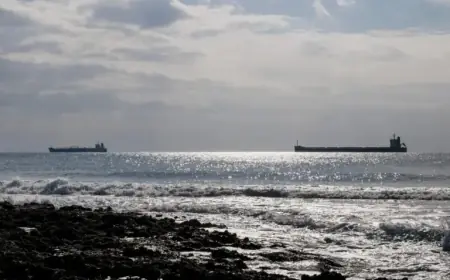















Cape Verde nesting study: loggerhead turtles face four-pronged threats from warming seas

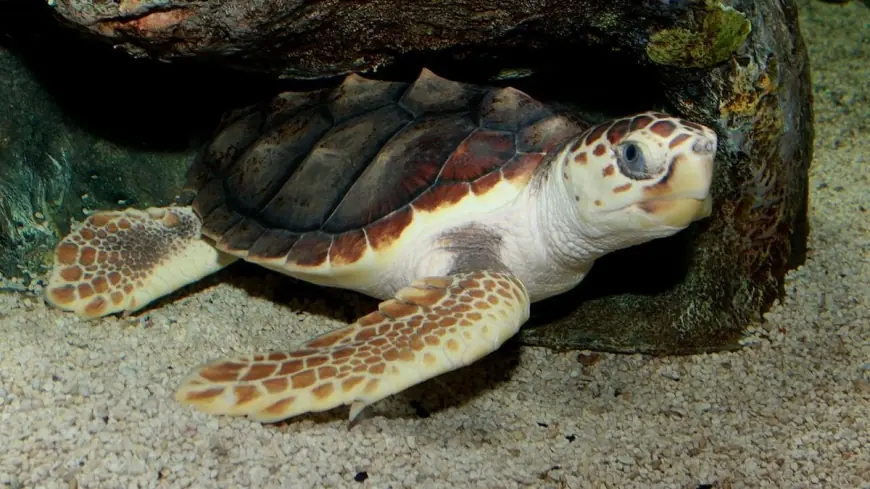
New findings from a long-term study in Cabo Verde show how warming oceans are reshaping loggerhead life histories: turtles are nesting earlier, producing fewer eggs, breeding less frequently and shrinking in size. The paper links these changes to declines in marine food supply around key foraging grounds, and highlights that impacts reach beyond shorelines — a concern for conservation in cape verde and similar nesting hotspots.
Cape Verde study site and scope
The research spanned 17 years and was conducted in Cabo Verde, an island country off the coast of West Africa where tens of thousands of female loggerhead turtles lay eggs every year. The findings were published in the journal Animals. The study examined long-term trends in reproduction and body size across this major nesting aggregation.
Four-pronged impacts on loggerhead turtles
Researchers identified at least four ways global warming is affecting the strong-jawed loggerhead, a species named for its unusually large head. Observed shifts include: nesting earlier in the season; fewer eggs per nest; longer intervals between breeding events (with frequency now shifting from every two years to roughly a four-year gap); and a decline in individual body size. The decline in size compounds reproductive losses because smaller females produce smaller clutch sizes.
Feeding habitat decline, satellite chlorophyll and capital breeding
Satellite estimates of chlorophyll indicate that food supply in the relevant part of the Atlantic is dwindling. These loggerheads are described as capital breeders, drawing on energy reserves accumulated from years of foraging at sea to reproduce. With marine productivity falling, individuals are arriving at nesting periods with reduced energy stores, a dynamic that coincides with earlier reproductive timing and extended nesting seasons in warmer years.
Researchers, interpretation and what’s uncertain
Co-authors on the paper included Fitra Nugraha, a researcher at Queen Mary University of London, who noted that turtles are adjusting their timing to warmer temperatures while the ocean areas that provide food are becoming less productive, eroding reproductive output. Kirsten Fairweather, scientific coordinator at Associação Projeto Biodiversidade, framed the pattern bluntly: the turtles are working harder for less return. The team examined population dynamics, population genetic structure, disease ecology, habitat vulnerability and feeding ecology to build this picture. Some observed changes might be adaptive in the short term, but the authors warn they could portend long-term consequences for the species.
Implications for conservation and next steps
To safeguard sea turtles in a warming world, the study emphasizes that conservation strategies must extend beyond the shoreline. Recommendations include protecting feeding habitats and reducing pressures on marine ecosystems, while recognising that climate change can undermine reproduction even when nesting beaches are managed. Details on implementation and timelines are unclear in the provided context.
Publication notes and related items
The piece includes a photograph credited to Brian Gratwicke (CC BY). Publication metadata lists the item as published on February 17, 2026 at 06: 00 am IST from Bengaluru. The coverage package carried a banner line reading "The View From India Looking at World Affairs from the Indian perspective, " and included section headings or features titled: First Day First Show, Today's Cache, Science For All, Data Point, Health Matters and On Books. A separate brief item in the same coverage titled "Just a moment... " appears with no further text; the content for that item is unclear in the provided context.
Recent updates indicate the trends identified in the 17-year study — earlier nesting, reduced egg output, longer breeding intervals and shrinking body size tied to falling marine productivity — are matters of concern for nesting aggregations in cape verde and beyond. Details may evolve as further analyses and follow-up studies are completed.