






















Trump's 2026 State of the Union Address: Full Recap, Highlights, and Fact Check

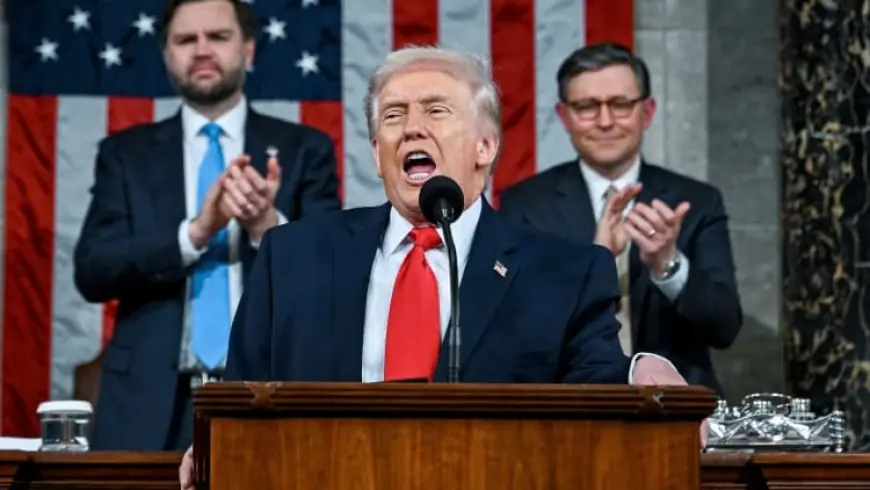
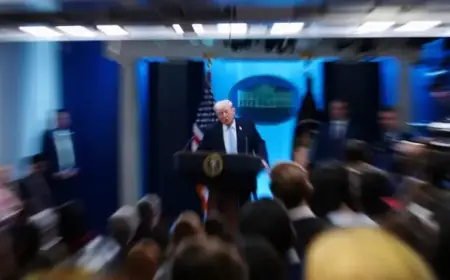
President Donald Trump delivered his first official State of the Union address of his second term Tuesday night, February 24, 2026, before a joint session of Congress. It was a record-breaking, combative, and at times chaotic night on Capitol Hill.
How Long Was the 2026 State of the Union Address?
Trump delivered the longest State of the Union address on record, clocking in at 1 hour and 47 minutes — beating his own record for the longest annual address to Congress since at least 1964, which he set last year. The speech also topped President Bill Clinton's record for the longest State of the Union, set in 2000.
Key Themes: Economy, Immigration, and a "Golden Age"
Trump took credit for economic gains and his roles in international conflicts, declaring a "turnaround for the ages." He touted the sprawling tax and spending package — the One Big Beautiful Bill — signed into law last year, which Republicans say will result in tax cuts for American families.
Trump highlighted his immigration crackdown, touting the "most secure border in American history by far." He praised efforts to stop the flow of fentanyl into the U.S. and claimed the murder rate had fallen. He honored many servicemembers and guests in the House gallery, including the gold medal-winning U.S. men's hockey team, who received a bipartisan standing ovation.
Medals of Honor — A Historic First at the SOTU
Trump presented Medals of Honor to two individuals, including a 100-year-old Korean War veteran. Chief Warrant Officer Eric Slover, wounded in the U.S. military operation in Venezuela that captured Nicolás Maduro, was also awarded the Medal of Honor. Trump said Slover was "hit very badly in the leg and hip" while piloting the lead Chinook helicopter into Maduro's compound but continued flying to deliver the commandos who captured the Venezuelan leader.
Democratic Disruptions — Al Green Escorted Out
Rep. Al Green of Texas was escorted out of the House chamber near the beginning of Trump's address after waving a sign that read "Black People Aren't Apes" — an apparent reference to a video Trump had reposted to his Truth Social account depicting the Obamas as apes. The speech became more contentious in its second hour with tense exchanges between the president and Democratic lawmakers.
State of the Union 2026 Fact Check
Multiple major news organizations flagged a series of exaggerated and false claims throughout Trump's speech.
Trump claimed "almost no crime" in Washington, D.C. and said murders in January were "down close to 100%" — this is exaggerated. Since January 1, there have been nine homicides, 126 assaults with a dangerous weapon, and 322 motor vehicle thefts in the city. Year-to-date, homicides are down 67%, not 100%.
Trump said he had added 70,000 new construction jobs. This is exaggerated — Bureau of Labor Statistics data shows 44,000 construction jobs were added from January 2025 to January 2026.
Trump claimed he inherited a "stagnant economy" that is now "roaring like never before." The facts do not fully support this. The U.S. economy grew 2.2% in 2025 — lower than in any year of the Biden presidency. Trump also repeated his regular false claim that tariffs are "paid for by foreign countries."
Trump promised to always protect Medicaid, despite the fact that the One Big Beautiful Bill Act he signed into law last summer slashed more than $900 billion in federal Medicaid funding over 10 years, according to the Congressional Budget Office.
Even before the speech, Trump claimed he had already delivered on all his campaign promises. An analysis by PolitiFact found that while 19% of those pledges have been fulfilled, many more remain stalled or broken.
Democratic Response: Spanberger Fires Back
Virginia Gov. Abigail Spanberger delivered the Democratic response, saying Trump "did what he always does: he lied, he scapegoated, and he distracted, and he offered no real solutions to our nation's pressing challenges, many of which he is actively making worse." Spanberger said Trump's tariff policies had made life less affordable for Americans and criticized immigration enforcement actions that led to the arrest of U.S. citizens.