
























Guide to Viewing the ‘Blood Moon’ Total Lunar Eclipse on March 3

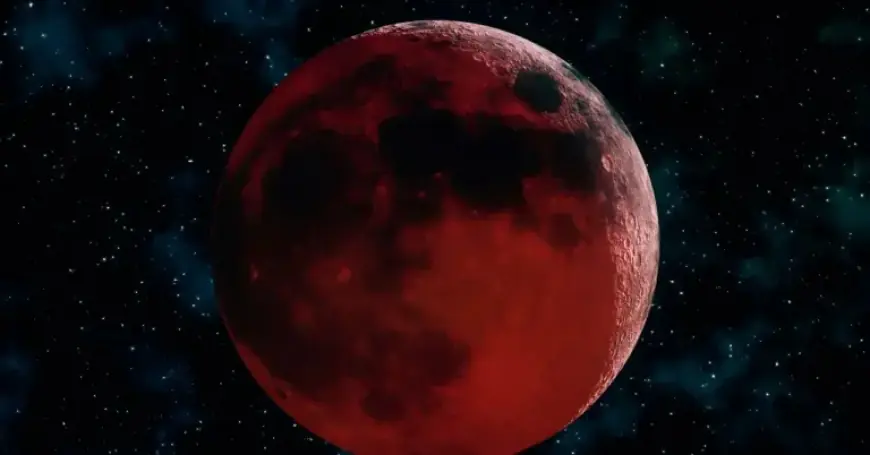
The upcoming total lunar eclipse on March 3, 2026, will captivate sky watchers around the world. This astronomical event, commonly referred to as a “blood moon,” will provide a rare opportunity to observe the moon take on a stunning red hue.
Viewing the Total Lunar Eclipse on March 3, 2026
The total lunar eclipse will be visible primarily in North and Central America. Viewers in Central and South Asia will see only a partial eclipse, while it won’t be observable in Europe or Africa.
Timing of the Eclipse
The eclipse will begin in the early morning hours, with the totality occurring just before dawn. The moon will display its reddish color for a duration of 12 minutes. Below are the times for various cities:
- Los Angeles: 3:04 AM
- Denver: 4:04 AM
- Chicago: 5:04 AM
- St. Louis: 5:04 AM
- New York: 6:04 AM
- Washington, DC: 6:04 AM
Safety and Viewing Conditions
Observing a total lunar eclipse is safe and requires no special equipment. Stargazers should find a high vantage point for the best view. Dress warmly, as the moon will be near the horizon at totality, making blocks from buildings or trees a concern.
Why Does the Moon Turn Red?
During a total lunar eclipse, the Earth will be positioned between the sun and the moon. This alignment casts a shadow on the moon, allowing filtered sunlight to reach its surface. The atmosphere of the Earth scatters blue light, letting the red wavelengths illuminate the moon, creating the striking blood moon effect.
This phenomenon is compared to the world’s sunrises and sunsets being projected onto the moon, resulting in its unique coloration. According to NASA, total lunar eclipses occur more frequently than total solar eclipses. On average, blood moons happen every 2.5 years, while total solar eclipses occur approximately every 18 months.
Understanding the Rarity of Lunar Eclipses
Total lunar eclipses might appear more frequent because they can be seen during nighttime, while total solar eclipses require a specific location within the band of totality. Consequently, an observer may view a lunar eclipse every few years, yet may wait centuries for a solar eclipse at their location.