





















Eta: What the UK's new travel checks mean for dual nationals and boarding rules

The UK’s electronic travel authorisation, or eta, comes into force on 25 February and will require most visa‑free visitors to hold digital permission before travelling. The change matters now because carriers will begin refusing boarding where travellers — including some British dual nationals — cannot show the right documentation.
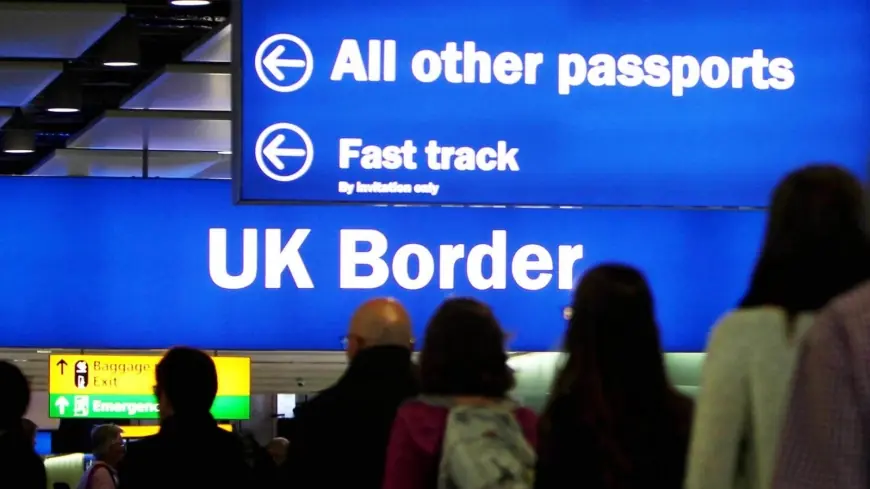
People coming to the UK under the new system will still need to go through passport control on arrival (file photo).
What an eta is and who must apply
An eta is a digital permission to travel to the UK that, once approved, allows a visitor to stay for up to six months, is valid for two years or until the traveller's passport expires, and permits multiple journeys. From 25 February, most people who have been able to travel visa‑free until now will need an eta; the new rules apply to people from 85 different countries, including citizens of the US and Australia. The eta can be used for tourism, business or short‑term study, and for those who cross the border and travel through the UK as part of a journey. People transiting through UK airports who do not need to go through border security will not need an eta.
Eta rollout and enforcement from 25 February
The scheme was launched in October 2023 but was "not strictly enforced to give visitors ample time to adjust to the new requirement"; in November the government said etas would be mandatory from 25 February. From that date the Home Office says "international carriers will check all passengers for valid permission or status to travel to the UK – just as they currently do for visa nationals. " Airlines must check passengers have the correct documentation before departure, and travellers who normally need a visa will still need a visa rather than an eta.
How the changes affect British dual nationals and boarding
British dual nationals who do not hold a British passport could be stopped from boarding a flight, ferry or train if they cannot present a British passport or a Certificate of Entitlement. To board a flight they must present a valid British passport or a Certificate of Entitlement — which costs £589 — or risk being denied boarding. Travellers face being blocked from boarding their flight, ferry or train if they do not have one of these documents as the government starts enforcing the eta scheme.
Costs, alternatives and practical steps for dual nationals
Applying for a British passport costs £94. 50, which is substantially cheaper than the £589 certificate of entitlement. It is not possible to get an eta or a visa to enter the UK as a British citizen, so dual nationals will either need a British passport or a certificate of entitlement to prove their right to enter. Those who already have a physical certificate of entitlement will automatically receive a new digital version, but they will need to create a UK Visas and Immigration (UKVI) account to link that digital certificate to their foreign passport.
Exemptions, previous practice and official advice
British and Irish citizens will not need an eta or a visa to visit the UK or to travel through it, though British and Irish citizens must still prove their right to live in the UK when entering at the border. There are a few other exceptions, such as those with settled status or children travelling from France on a school trip. Dual nationals used to be able to travel on a foreign passport without a certificate of entitlement — a practice that could result in delays while Border Force staff confirmed citizenship. The Home Office says it has advised dual nationals to make sure they have the right documents to enter the UK since October 2024 and that it has been advertising the eta changes since 2023.
Fees, apps and the government's aims
Getting an eta currently costs £16, and the government has said it plans to increase the fee to £20 in the future. The government says etas will streamline the immigration system, speed it up and make it more secure; etas are part of what the government calls a "more streamlined, digital immigration system" intended to reduce queues at the border. To apply, the government recommends downloading the official app from Google Play or the Apple App Store.
- Key dates: scheme launched October 2023; mandatory from 25 February; guidance emphasised since October 2024.
- Documentation: British passport (£94. 50 to apply) or Certificate of Entitlement (£589); eta costs £16 (planned rise to £20).
- Scope: applies to nationals of 85 countries; allows stays up to six months and multiple entries; requires UKVI account to link digital certificates.