

























Mexico’s CJNG Cartel Utilizes AI, Drones, and Social Media

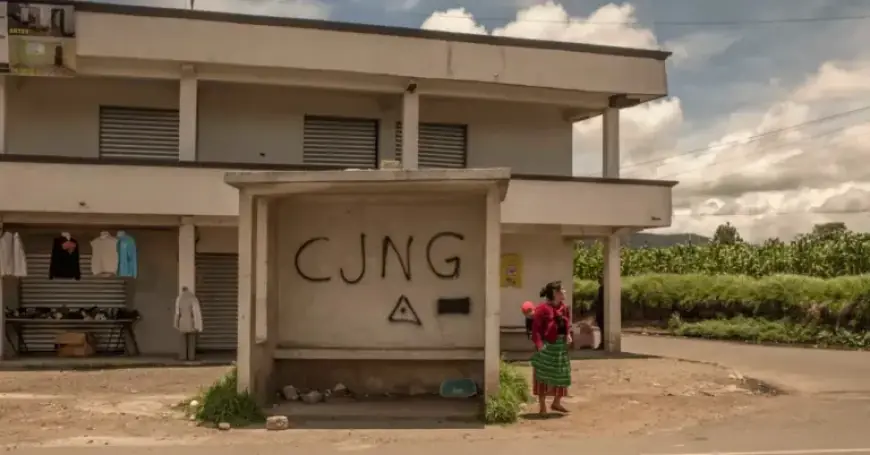
The recent death of Nemesio Rubén “El Mencho” Oseguera Cervantes, leader of the Jalisco New Generation Cartel (CJNG), marks a pivotal moment in the dynamics of drug trafficking. This event occurred in Tapalpa, Jalisco, Mexico, through an operation by Mexican Army Special Forces over the weekend. Federal authorities confirmed his death, raising concerns about potential violence and shifts in the narcotics trade.
Impact of El Mencho’s Death on CJNG
Experts predict that El Mencho’s demise will lead to significant changes in how the CJNG operates. The cartel’s complex network of intimidation, financial schemes, and recruitment strategies has largely defined its power. Much of its operational strength arose from the ability to weaken rival organizations using technology such as social media and artificial intelligence.
Global Reach of CJNG
The CJNG operates extensively across Mexico and into many international territories. According to the U.S. State Department, its influence stretches to countries like:
- United States
- Australia
- China
- Southeast Asian nations
In addition to drug trafficking, CJNG engages in various criminal enterprises, including:
- Fentanyl trafficking
- Extortion
- Migrant smuggling
- Theft of oil and minerals
- Illicit arms trade
Historical Context of CJNG
The CJNG originated from the Sinaloa Cartel in the early 2000s, initially serving as a militant faction in Jalisco under Ignacio “Nacho” Coronel Villarreal. The cartel’s early branding as “Los Mata Zetas” (The Zeta Killers) evolved as it solidified its power following the fracturing of its alliance with the Sinaloa Cartel.
Its notoriety escalated in September 2011, when the cartel claimed responsibility for the discovery of 35 bodies in Boca del Río, Veracruz, through a video shared on social media. Under El Mencho’s leadership, the CJNG expanded rapidly, especially in methamphetamine production and trafficking.
Technological Integration in Criminal Activities
Over the past decade, the CJNG has adopted cutting-edge technology and innovative strategies. This includes recruiting specialists in finance and chemistry, which enhanced its capabilities in synthetic drug production. The cartel also diversified revenue through money-laundering tactics, particularly in legitimate sectors such as:
- Agriculture
- Mining
- Construction
The U.S. Drug Enforcement Administration (DEA) reports that the CJNG operates in over 40 countries, supported by its financial arm known as Los Cuinis, led by Abigael González Valencia, El Mencho’s brother-in-law. This organization plays a significant role in coordinating money-laundering operations worldwide.
The Role of Social Media and AI
Recent investigations show the CJNG’s increasing reliance on digital platforms for recruitment and criminal activities. A study conducted by El Colegio de México and the Civic AI Lab found that TikTok has emerged as a recruitment medium for Mexican cartels, including the CJNG. Key findings included:
- 100 active accounts linked to illicit activities
- 47% of accounts focused on recruiting new members
- 31% disseminated propaganda
Notably, the CJNG accounted for 54.3% of the accounts studied, emphasizing its significant presence on social media.
Warning from Interpol
In 2024, Interpol issued warnings regarding the involvement of the CJNG and similar groups in large-scale financial scams. These operations capitalize on AI and cryptocurrencies, and have been linked to human trafficking for forced labor in scam operations.
The death of El Mencho serves as a critical juncture for the CJNG, with implications that could echo through the corridors of global drug trafficking and organized crime.