





















Cuba’s Health System Near Collapse as Oil Blockade Chokes Supplies and Allies Dry Up

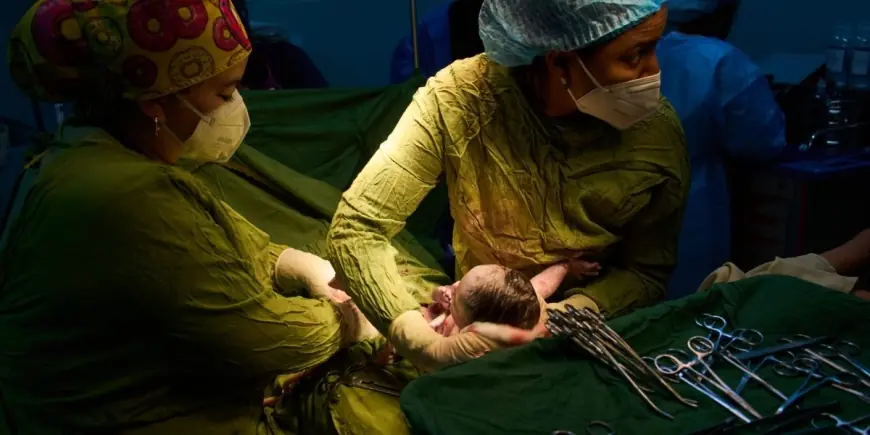
The U. S. blockade of Cuba's oil supply has pushed the island’s health care system to the brink, a Cuban official said. Canada plans to assist cuba as Washington squeezes the island — a squeeze that health officials warn is now threatening basic human safety.
Cuba’s health system and immediate impacts
Cuba’s Health Minister José Ángel Portal Miranda said that sanctions and the oil blockade are no longer only an economic problem but are endangering basic human safety. He emphasized that damaging a state’s economy inevitably affects its inhabitants and warned the situation could put lives at risk.
The fallout is already tangible: ambulances are struggling to find fuel to respond to emergencies, persistent power outages are plaguing deteriorated hospitals, and flights bringing vital supplies have been suspended because the government is unable to refuel airplanes at its airports.
Health officials identify large patient groups and services at particular risk:
- About 5 million people with chronic illnesses will see medications or treatments affected.
- 16, 000 cancer patients require radiotherapy.
- 12, 400 cancer patients are undergoing chemotherapy.
- Cardiovascular care, orthopedics, oncology and treatment for critically ill patients who need electrical backup are among the most impacted services.
- Kidney disease treatments and emergency ambulance services have also been added to the list of affected services.
Energy chokehold: executive orders, supply lines and policy moves
The energy crisis escalated last month when U. S. President Donald Trump signed an executive order that would impose a tariff on any country that sells or provides oil to Cuba. That action followed weeks after Mr. Trump deposed Venezuelan President Nicolás Maduro and announced there would be no more Venezuelan oil shipments to Cuba.
Cuba produces only 40% of its own fuel and largely depends on deliveries from allies historically named as Venezuela, Mexico and Russia. Those shipments have now dried up, intensifying shortages across the island. The U. S. stance is part of a stated effort to intensify economic pressure with the larger hope of prompting regime change in Cuba, a policy objective that has magnified the humanitarian and logistical squeeze on the population.
Everyday hardships: transport, rationing and shortages
The ripple effects of the fuel shortage are evident in daily life: buses have slashed routes, gasoline has been placed under strict rationing and is being sold only in foreign currency, and endemic blackouts have reached new intensity.
Voices from the ground include Aniliet Rodríguez, a 25-year-old pregnant woman who was admitted that month to a maternal care center for an extreme case of anemia. She described steep shortages in basic food and medicine, saying there is no bread, no milk for nutrition and no medicines. Her situation illustrates how shortages in fuel and supplies are translating into immediate household and clinical crises.
Systemic decline: staffing, emigration and the black market
Cuba’s health care model is built on universal, free care with local clinics on nearly every block and state-subsidized medicine. That structure has nonetheless entered a prolonged state of crisis in recent years, worsening since the COVID-19 pandemic.
Thousands of doctors, earning state wages that can hardly cover basic goods, have emigrated from the country. Hospitals have deteriorated rapidly, and medicine shortages have forced many residents to turn to the black market to obtain essential drugs.
International responses, warnings and the outlook
Experts and leaders from other countries have warned the island could be on the verge of a humanitarian crisis. International attention has included the declaration that Canada plans to assist Cuba as Washington’s pressure escalates.
Health officials and others issuing warnings highlight the cascading risk: fuel shortages constrain ambulances and flights that bring critical supplies; power outages threaten care for patients who need electrical backup; and shortages of medicines and staff compromise routine and emergency treatment. Such problems are expected to worsen in the coming weeks; the remainder of that forecast is unclear in the provided context.
An opinion piece titled "The Cuban Regime’s Slow Collapse" is part of the broader conversation framing this crisis, reflecting that political and human-security dimensions are being debated alongside immediate relief and assistance efforts.