

























Stock markets rebound as tariff uncertainty collides with AI jitters and a packed earnings week

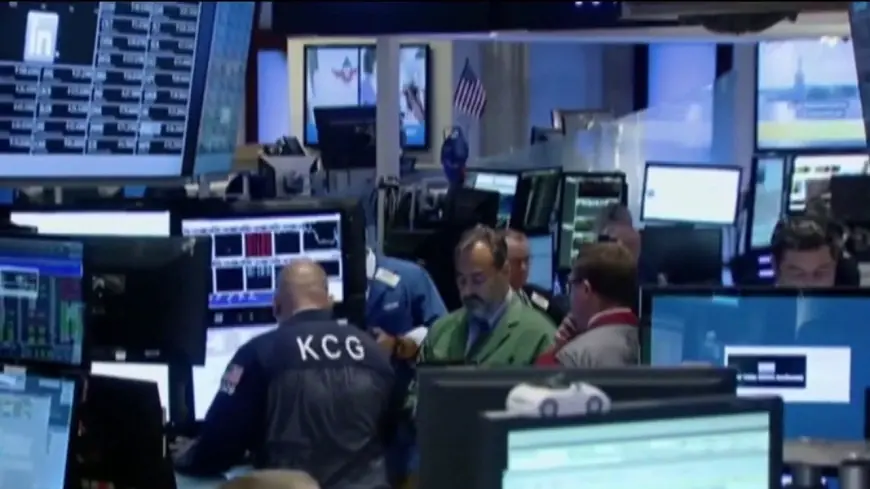
Stock markets in the U.S. and overseas are swinging sharply in late February as investors juggle three forces at once: shifting U.S. tariff signals, fresh anxiety about how fast AI tools could disrupt established software businesses, and a dense calendar of high-impact earnings and economic updates. After a steep sell-off to start the week, stock markets snapped back Tuesday, setting up another jittery session heading into Wednesday with traders watching mega-cap tech and policy headlines for the next catalyst.
Stock markets turn higher after a tariff-driven slide
U.S. stock markets whipsawed over the last two sessions. Monday’s drop was sparked by renewed confusion around trade policy after legal and political developments revived uncertainty over tariff rates and timing. The risk-off mood spread quickly across big indexes and into global trading.
Tuesday brought a strong rebound as bargain-hunting returned and investors rebalanced into large-cap leaders, especially in tech. The rally didn’t erase the bigger issue: policy direction remains a headline risk, and the market is reacting in real time to how tariffs could hit costs, demand, and corporate guidance.
Stock markets focus shifts to AI disruption and the “Magnificent” trade
Alongside tariffs, the other driver inside stock markets has been a bout of AI-related nervousness. Investors are rethinking what software and cybersecurity pricing power looks like when more automated tools can perform tasks that once required premium subscriptions and large teams.
That concern helped fuel Monday’s selloff in several growth areas, then eased Tuesday as traders rotated back into companies viewed as AI “builders” and infrastructure beneficiaries. The market’s message is clear: AI optimism is still there, but it is increasingly selective—rewarding firms that sell the picks and shovels while punishing business models that look easier to automate.
Stock markets today: key levels, assets, and what traders are watching
Here’s a snapshot of the most recent U.S. move and the cross-asset signals investors are tracking (ET):
| Market snapshot (ET) | Latest move | What it’s signaling |
|---|---|---|
| Dow Jones Industrial Average (Tue. close) | +0.8% | Broad rebound after Monday’s slide |
| S&P 500 (Tue. close) | +0.8% | Risk appetite returning, but still headline-sensitive |
| Nasdaq Composite (Tue. close) | +1.1% | Tech leadership reasserts itself |
| U.S. 10-year Treasury yield | Lower vs. Monday | Defensive bid still present beneath the rally |
| Gold | Elevated vs. last week | Hedge demand remains active |
| Oil | Mixed | Traders weighing supply data and geopolitical tension |
Early Wednesday, stock markets are set up for more volatility, with futures signaling cautious optimism and investors watching whether the rebound can hold through the next wave of headlines.
Stock markets brace for a high-stakes earnings and data burst
The next 24–48 hours are loaded. A major chipmaker’s earnings report is a central event because it sits at the heart of the AI buildout narrative and influences sentiment across semiconductors, cloud, software, and even industrial supply chains.
On the macro side, traders are watching U.S. data tied to manufacturing demand and inventory trends, plus energy market updates that can feed directly into inflation expectations. With tariffs also in the mix, any surprise in pricing or corporate guidance can quickly change assumptions about margins and consumer resilience.
What happens next for stock markets
Near-term direction is likely to hinge on two questions:
-
Can corporate results support current valuations in a world where input costs and trade rules may shift quickly?
-
Does AI continue to widen the gap between “builders” and “at-risk” software models?
If tariff messaging stabilizes and earnings reinforce demand strength, stock markets could extend the rebound and re-test recent highs. If policy uncertainty intensifies or guidance turns cautious, the market may revert to fast, headline-driven selloffs—especially in crowded tech positions.
For now, the late-February story is volatility with a purpose: stock markets are trying to price a new policy regime and a rapidly changing technology landscape at the same time, and that combination rarely moves in a straight line.