

























What Time Is Iftar Today — Ramadan 2026 Timings for France and India (Feb 25)

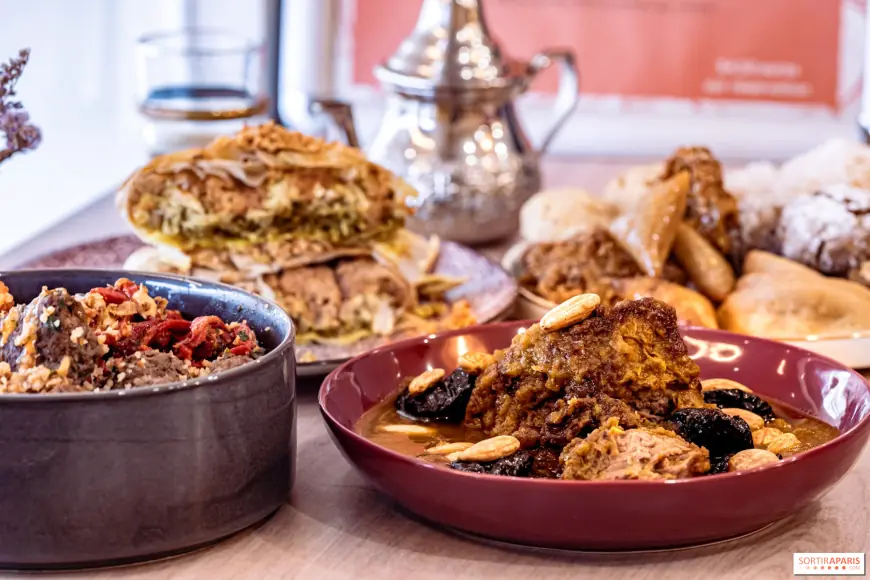
For Muslims tracking daily prayer and meal windows, what time is iftar today matters because daylight is lengthening and local schedules already diverge across regions. What Time Is Iftar Today is a live question for worshippers: Ramadan 2026 falls after the winter solstice, which pushes sunset later each day and gradually increases fasting hours. That shift changes practical routines — from Sehri timing to evening gatherings — for communities in France and multiple Indian cities on February 25, 2026.
For worshippers in France and India: immediate impact on routines
Longer days mean later Maghrib times and later iftar moments. In everyday terms, this alters meal planning, mosque schedules, and family break-fast arrangements. Here’s the part that matters: later sunsets extend the fasting window gradually throughout Ramadan 2026, so those observing should expect iftar to arrive a few minutes later each day.
What Time Is Iftar Today — Select city examples
Local times vary. On February 25, 2026, a provisional timetable places the end of the fast in France at 6: 30 PM on the eighth day of Ramadan. In India, coverage frames Wednesday, February 25 as the seventh day of Ramadan, and city-specific examples list Kolkata breaking fast at 5: 38 PM and Mumbai at 6: 42 PM. Sehri, the pre-dawn meal, and Iftar timings change by city; listings reference Mumbai, Delhi, Lucknow and more for local schedules.
Event details and the religious timing markers
Fasting during Ramadan runs from dawn until sunset. Fasting starts at dawn, marked by the Fajr prayer, and ends at sunset with the Maghrib prayer, which is the fourth daily prayer. Throughout the fasting day, practitioners refrain from eating, drinking, or engaging in intimate relations. The prayer timetable and Iftar schedule for Ramadan 2026 in France are presented as a provisional Ramadan timetable to help people know the daily time for iftar.
- France (February 25, framed as the eighth day of Ramadan): fasting ends at 6: 30 PM.
- India (February 25 framed as the seventh day of Ramadan): Kolkata iftar at 5: 38 PM; Mumbai iftar at 6: 42 PM.
- City lists reference Sehri and Iftar timings for Mumbai, Delhi, Lucknow and more; times vary by location.
- Sehri is the pre-dawn meal; Fajr marks the start of the fast, Maghrib marks its end.
What's easy to miss is that the day count can be cited differently across notices: one item frames February 25 as the seventh day in India while another frames it as the eighth day for France. That difference does not change the core mechanics—sunrise/sunset shift the schedule—but it does matter when matching local calendars to communal observance.
Prayer timing mechanics and what shifts next
If you're wondering why this keeps coming up: Ramadan 2026 takes place after the winter solstice, so the daylight window is expanding. That means iftar will occur a few minutes later each day for many locations; depending on the season, fasting hours can stretch longer or become shorter, and this year the trend is toward longer fasting days. The real question now is how communities will adapt mosque Iftar arrangements and family schedules as those minutes add up through the month.
Practical notes: community members should consult their local provisional timetables for precise Fajr and Maghrib moments. Timetables are offered city-by-city because times vary even within a single country; schedules are subject to change and should be checked locally if exact minute-by-minute precision matters for ritual timing.
Key takeaways:
- Ramadan 2026 follows the winter solstice, pushing sunset later each day and lengthening fasting hours.
- February 25 is presented as the eighth day in one timetable (France, iftar 6: 30 PM) and as the seventh day in coverage of India.
- City examples show Kolkata at 5: 38 PM and Mumbai at 6: 42 PM on February 25; Delhi and Lucknow are listed among cities with varying times.
- Fasting runs from Fajr (dawn) to Maghrib (sunset); Sehri is the pre-dawn meal and is scheduled differently by city.
- Expect iftar to move a few minutes later each day; local timetables are provisional and subject to change.
The bigger signal here is that minute-by-minute shifts across days compound into noticeably later evenings over the course of the month; families and mosques planning communal meals should factor that into logistics and notifications.