







John Davidson Outburst at BAFTAs Ignites Debate Over Tourette’s, Broadcast Edits and Presenter Aftercare

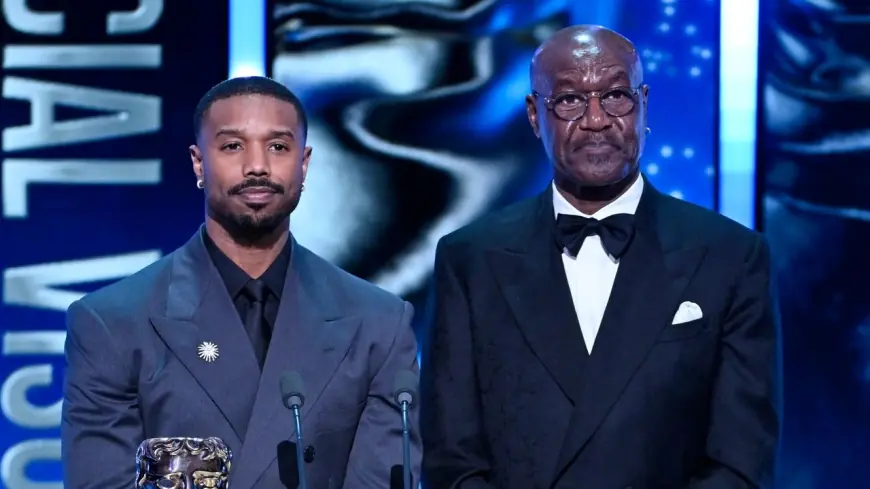
john davidson, the campaigner whose life inspired the film I Swear, interrupted the BAFTA Film Awards with repeated involuntary cursing including the N-word while Michael B. Jordan and Delroy Lindo presented the best visual effects prize. The episode has prompted on-stage clarification from host Alan Cumming, an apology and planned edits from the, and a wider debate among attendees about disability, broadcast decisions and presenter care.
John Davidson's outburst and timeline
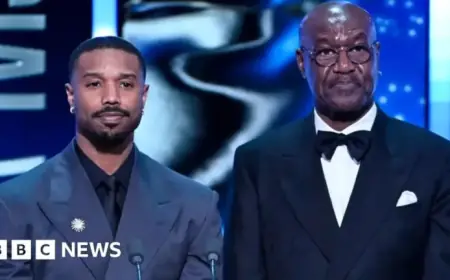
Attendees were warned before the ceremony that John Davidson has Tourette’s syndrome and that they might hear involuntary noises or movements. Davidson’s tics were heard numerous times over the first 20 minutes of the show: he shouted "Boring!" during housekeeping instructions, said "Bullshit!" when guests were asked not to curse, and told people to "Shut the fuck up" while BAFTA chair Sara Putt spoke. The most consequential episode came when he used the N-word as Michael B. Jordan and Delroy Lindo were presenting the award for best visual effects to Avatar: Fire and Ash; Hannah Beachler later wrote that the outburst happened three times that night and that one of those was directed at her on the way to dinner after the show. Davidson left the Royal Festival Hall around 25 minutes into the proceedings, and accounts indicate that his departure was of his own accord rather than the result of being asked to leave.
Alan Cumming's stage response
Host Alan Cumming interrupted his monologue to explain that strong language could be part of how Tourette’s syndrome presents for some people, and he returned to the point several times as the ceremony continued. Cumming described Tourette’s as a disability marked by involuntary tics and thanked the audience for understanding and helping to create a respectful space. He also issued an apology on behalf of the evening for anyone offended by the language heard in the auditorium.
broadcast decisions and edits
The BAFTA Film Awards were carried on a two-hour tape delay in the U. K., yet the slur remained in the broadcast. The has acknowledged that some viewers may have heard strong and offensive language that arose from involuntary verbal tics and has apologized that it was not removed before transmission; the broadcaster said the language will now be taken out of the program. The ceremony’s broadcast also omitted another moment from the live show: Akinola Davies Jr. saying "free Palestine" at the end of his speech was not carried in the televised edit.
Presenters' reactions and after-parties
During an after-party hosted by Warner Bros., Delroy Lindo said he and Michael B. Jordan "did what we had to do" while presenting and added that he wished "someone from BAFTA spoke to us afterward. " Lindo was later seen in good spirits talking with Wunmi Mosaku, who won the BAFTA for best supporting actress. Michael B. Jordan attended an after-party thrown by other hosts briefly and was listed among that event’s hosts. BAFTA later held a dinner for nominees and guests where the incident was widely discussed.
I Swear, Robert Aramayo, Ryan Coogler and awards context
The disruption occurred on a night of notable results: Robert Aramayo — who portrayed the Scotsman at the center of I Swear and for whom Davidson is the real-life inspiration — won both the rising-star award and the lead-actor prize at the ceremony. Aramayo’s lead-actor victory came over nominees including Leonardo DiCaprio and Timothée Chalamet, and another account lists Ethan Hawke and Michael B. Jordan among the contenders he beat. Ryan Coogler won best original screenplay and used his speech to speak about community support that enabled his work. The mix of celebration and controversy left the Davidson episode as a dominant topic among guests and online conversations after the show.
What makes this notable is the collision of a disability’s involuntary symptoms with the logistics of a televised awards program: pre-show warnings and on-stage explanations did not prevent the slur from airing, prompting a broadcaster apology, announced edits to the transmission, and urgent debate among filmmakers and presenters about sensitivity, editing choices and immediate follow-up care for those affected.