











John Davidson Outburst at BAFTAs Triggers On-Stage Explanation, BBC Apology and Industry Debate

john davidson, the real-life campaigner and the inspiration for the film I Swear, repeatedly cursed during the BAFTA Film Awards and shouted a racial slur at presenters Michael B. Jordan and Delroy Lindo. The incident prompted multiple on-stage statements from host Alan Cumming, a subsequent apology for the broadcast, and sharp discussion among attendees and production staff.
John Davidson's Tics and the Sequence of Events
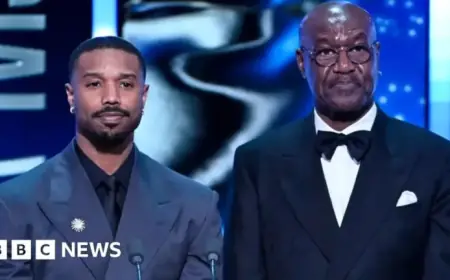
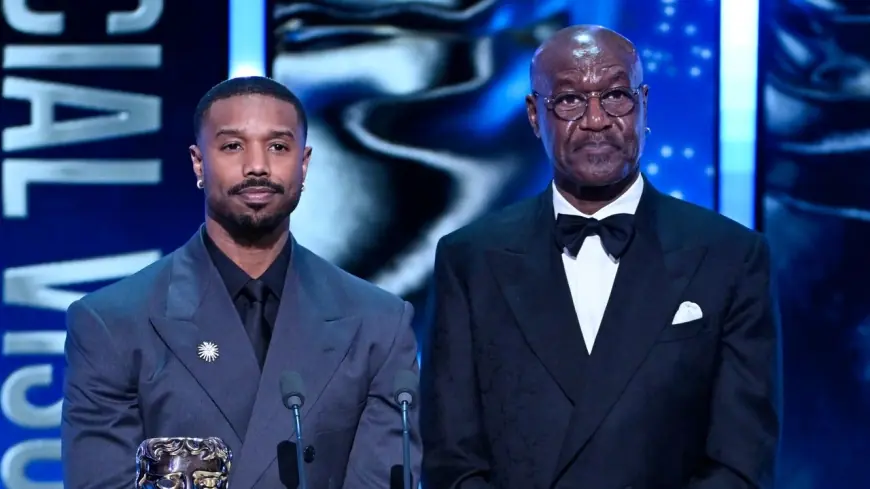
Over the first 20 minutes of the ceremony at London's Royal Festival Hall, john davidson emitted a series of involuntary verbal tics that included exclamations such as 'Boring!' during housekeeping, 'Bullshit!' when guests were asked not to curse, and 'Shut the fuck up' while BAFTA chair Sara Putt made introductory remarks. He later muttered the N-word as Michael B. Jordan and Delroy Lindo presented the award for best visual effects to Avatar: Fire and Ash. Attendees later noted the outburst happened three times that night; one of those three was said to have been directed at production designer Hannah Beachler on the way to dinner after the show. Davidson left the ceremony around 25 minutes into the proceedings; accounts indicate his departure was of his own accord and he appeared to remove himself from the theatre.
Alan Cumming and Sara Putt Respond on Stage
Host Alan Cumming interrupted his monologue several times to explain the context of the noises and language, telling the audience that 'this can be part of how Tourette's syndrome shows up for some people' and asking for understanding and respectful space. Cumming later reiterated that Tourette's syndrome is a disability and that the tics heard were involuntary, adding an apology for anyone offended. BAFTA chair Sara Putt was the subject of one of the earlier outbursts, when Davidson shouted during her remarks. Guests had been informed about Davidson's condition before the ceremony when a floor manager welcomed him and warned that 'John has Tourette's syndrome, so please be aware you might hear some involuntary noises or movements during the ceremony. '
Broadcast Decisions and Apology
The BAFTAs were broadcast on a two-hour delay in the U. K., and the racial slur was nevertheless included in the televised program. A spokesperson later acknowledged that some viewers 'may have heard strong and offensive language' that 'arose from involuntary verbal tics associated with Tourette syndrome' and apologized that the language was not edited out prior to broadcast, saying it will now be removed. The broadcaster did not air an instance when outstanding British debut winner Akinola Davies Jr. said 'free Palestine' at the end of his speech; the said edits were made to ensure the program was delivered to time.
Reactions from Presenters, Winners and Crew
Delroy Lindo said he and Michael B. Jordan 'did what we had to do' while presenting and added that he wished someone from BAFTA had spoken to them afterward. Lindo was later seen in good spirits, chatting with co-star Wunmi Mosaku, who won the BAFTA for best supporting actress. Jordan attended an after-party hosted by other organizations briefly and was listed as one of that event's hosts. BAFTA also hosted a dinner for nominees and guests after the ceremony where the incident dominated conversation. Robert Aramayo, the star of I Swear and the actor who portrayed the man Davidson inspired, won the BAFTA rising-star award and the lead-actor prize that night, prevailing over front-runners including Timothée Chalamet and Leonardo DiCaprio; other nominees mentioned included Ethan Hawke and Michael B. Jordan. Hannah Beachler, the production designer for Sinners, posted on social media that the Davidson situation 'is almost impossible' and that the problematic language happened three times that night, with one occurrence directed at her en route to dinner.
Debate in the Film Community and What It Signals
The episode sparked debate among attendees and the wider film community. Some emphasized that Tourette's syndrome is a deeply misunderstood condition and pointed to the involuntary nature of tics; others, particularly some visitors from outside the U. K., were less tolerant and said the language could have been emotionally triggering for presenters. Questions were raised behind the scenes about the decision not to edit out the cursing for the delayed broadcast. What makes this notable is that the incident intersected with the evening's central narratives: I Swear's critical recognition, the presence of its real-life subject, and high-profile winners and presenters at a single televised ceremony, producing immediate reputational and editorial consequences for organizers and broadcasters.