

























New York and the Northeast Grind to a Halt as Six States Declare Blizzard Emergency

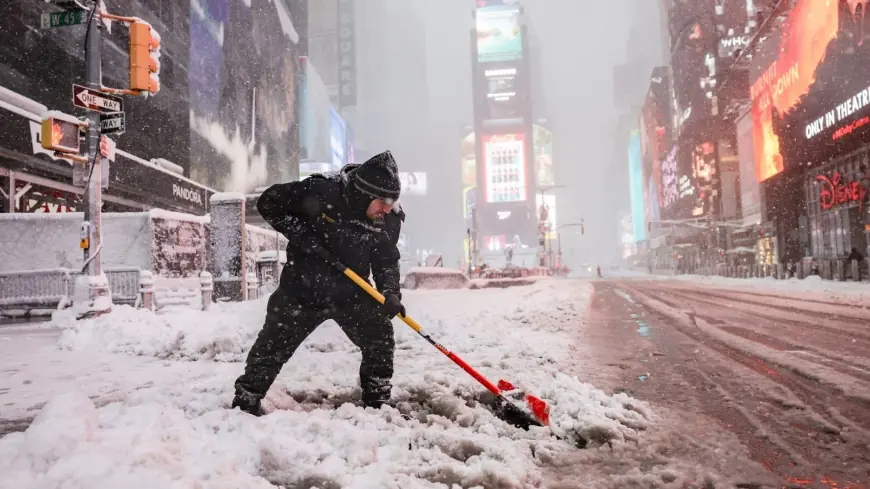
A major winter storm has left New York and much of the US northeast buried under heavy snow, strong winds and plunging temperatures. The system brought up to two feet of snow to some areas, forced non-emergency road travel bans in New York City, grounded thousands of flights and left almost 650, 000 homes without power as millions of residents stayed home.
New York: travel bans, Central Park and school closures
Non-emergency road travel was banned in New York City because of dangerous blizzard conditions, and snow blanketed the Big Apple, with more than two feet accumulating in some spots including Central Park. School classes in New York City were cancelled or moved online. New York City Mayor Zohran Mamdani described the situation as the first old-school snow day since 2019, reflecting the scale of disruption.
Six states declare blizzard emergency as storm pummels the region
Six states declared a state of emergency in response to the blizzard: New York, New Jersey, Massachusetts, Connecticut, Delaware and Rhode Island. Additional weather warnings were issued in Pennsylvania, Maine and New Hampshire. In total, blizzard warnings covered almost 70 million people, and millions across the northeast have been stuck at home as the system intensified.
Power outages, flight cancellations and travel chaos
Almost 650, 000 homes were affected by power cuts after the storm strengthened across several states. Massachusetts was the hardest hit among them, with roughly 255, 000 homes facing outages. Air travel was severely disrupted: nearly 90% of flights out of New York's JFK airport were cancelled, with cancellation rates even higher at LaGuardia and in Boston. Overall, 5, 300 flights were cancelled and more than 700 were delayed. These interruptions compounded the ground-travel restrictions and wide school closures in cities such as Boston and Philadelphia.
Storm strength: wind, temperature and the bomb cyclone possibility
Winds gusted up to 60 mph in parts of the region, and wind chills as low as -15°C (5°F) were measured in New York. A weather service meteorologist, Frank Pereira, warned that conditions were expected to rapidly deteriorate and said the storm could possibly become a bomb cyclone, meaning a rapid drop in pressure; he added he thought it would meet the technical definition of a bomb cyclone by the time it finished developing.
On the ground: commuters, shovels and reporters battling the elements
People braved the weather to commute where possible and to shovel drifts as the snowfall reached up to 2 feet in several areas. US television reporters were shown battling the conditions live, demonstrating how intense the gusts and drifting snow were; one journalist used a plastic bag to illustrate the force of the wind as it whipped wildly in the air. Images and footage captured commuters, shovellers and frontline crews working amid heavy snow and powerful gusts.
What this means next
With blizzard warnings covering tens of millions and infrastructure impacts already widespread, authorities remain focused on public safety, travel bans and restoring power where outages have occurred. Details may continue to evolve as crews respond to outages and as flight and road operators adjust schedules; recent updates indicate the situation is ongoing and may change.