













How Many Episodes In A Knight Of The Seven Kingdoms — Finale Fallout, Maekar’s Guilt and Dunk’s Secret

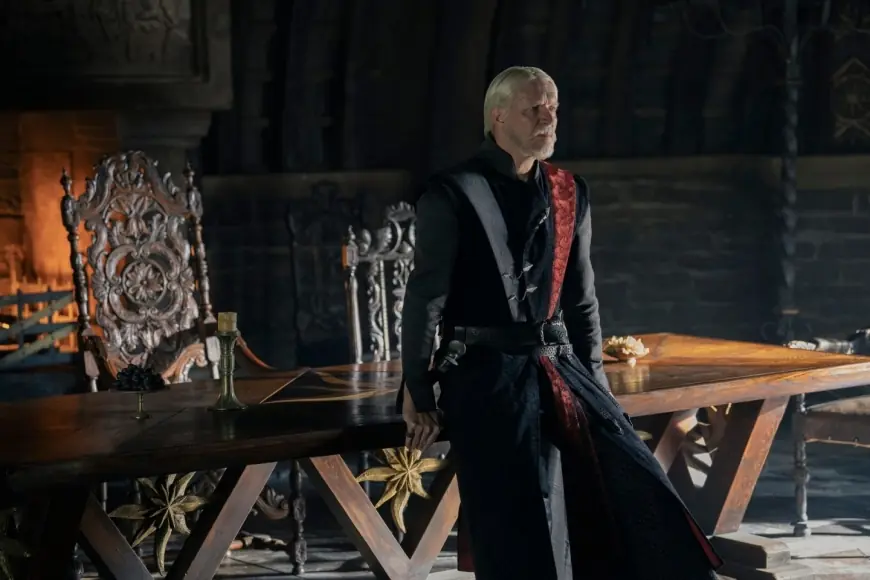
This update centers on the season one finale, "The Morrow, " and the conversations it has provoked — including an interview with Sam Spruell — while noting that the exact answer to the question "How Many Episodes In A Knight Of The Seven Kingdoms" is unclear in the provided context.
How Many Episodes In A Knight Of The Seven Kingdoms — Context and Uncertainty
The provided coverage repeatedly engages with the season one finale, "The Morrow, " and calls out major spoilers. The material does not state a concrete episode count for the series, so the specific question of How Many Episodes In A Knight Of The Seven Kingdoms remains unclear in the provided context. What is available is an account of the finale’s plot beats, cast performances, and creative choices that shape what viewers learned in the most recent episode.
Sam Spruell on Maekar’s grief and self-delusion
Sam Spruell, a British actor whose recent credits include a role on Fargo season five and appearances on Dune: Prophecy (which he shot before audiences saw his Fargo portrayal), discussed Prince Maekar Targaryen in the wake of the finale. Spruell frames Maekar as a widowed single father who has badly missed the mark raising his three sons: Daeron, Aerion and Aegon (nicknamed "Egg"). He describes Maekar as highly susceptible to self-delusion — insisting the Gods know the prince’s fatal action was an accident is, in Spruell’s view, the character telling himself what he needs to hear. Spruell positions that mindset as a depiction of corrupt power.
The Morrow: Ashford Meadow, the trial of seven and a sudden death
The finale’s central event is the jousting tournament at Ashford Meadow. At the tourney, Maekar and Aerion (played by Finn Bennett) discover that Aegon (Dexter Sol Ansell) and Daeron did not arrive as scheduled. Ser Duncan "Dunk" the Tall (Peter Claffey) clashes with Aerion after Aerion assaults a puppeteer; Aegon intervenes on behalf of Dunk because he had secretly been squiring the hedge knight under the alias Egg. A drunken Daeron is found nearby and, to clear himself, falsely accuses Dunk of kidnapping his youngest brother. Aerion then challenges Dunk to a "trial of seven, " in which the accused and the accuser each recruit six champions for combat.
Prince Baelor Targaryen (Bertie Carvel), Maekar’s more popular older brother and the heir to the Iron Throne, joins Dunk’s side. After a hard-fought battle Dunk compels Aerion to withdraw the accusation. Dunk bends the knee to Baelor, and then Baelor unexpectedly drops dead from a fatal head wound he received at the hand of Maekar. In the finale Maekar insists the Gods know it was an accident; Spruell believes Maekar is using that claim to absolve himself.
Dunk’s knighthood question and the new flashback
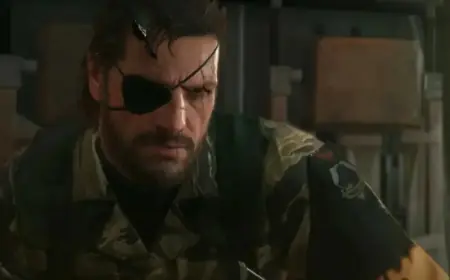
The finale also introduces material not present in the original novella "The Hedge Knight. " "The Morrow" includes a flashback to Dunk’s recent past as a squire for Ser Arlan of Pennytree. In that scene Arlan is propped against a tree, pale, babbling and apparently dying; Dunk asks why Arlan never knighted him and receives no answer. The moment is filmed on the same hillside where Dunk later buries Arlan’s body.
Book readers have long suspected that Dunk is lying about being knighted. Dunk tells people that Arlan knighted him just before he died, with "only a robin, up in a thorn tree" to bear witness. When Dunk later tries to enter the jousting tournament at Ashford Meadow he is told to find a lord or another knight to vouch for him; no one can verify his claim and hardly anyone remembers that Arlan existed. Throughout season one the show drops subtle hints that Dunk may have only ever been a squire and is presenting himself as a knight to get a fighting chance.
Showrunner Ira Parker describes the scene as deliberately open to interpretation: much of the exposition around whether Dunk was knighted is internal, and the sequence comes close to Dunk admitting it but does not state it in black and white. The material presents multiple possible explanations for why Dunk hesitates to knight others or to draw his sword in certain moments; the available context lists those possibilities without settling on a single conclusion. A fragment of discussion about whether Dunk avoids risk to Raymun Fossoway’s honor cuts off in the provided text and is unclear in the provided context.
Offers, refusals and what was left unresolved
Acting on Egg’s fondness for Dunk, Maekar offers Dunk a home at Summerhall so Dunk can train Egg as his squire and complete his own training under the castle’s master-at-arms. Dunk, citing royal exhaustion, initially rejects the offer and later counters by asking if he can take the young lad on the road with him. Maekar refuses to let his royal blood live like a "peasant. " A partial line about Aegon — "[Aegon] is his last chance to have an heir that’s worth anythin" — is cut off in the provided context and is unclear in the provided context.
Reception, adaptation choices and one odd extraneous note
Coverage describes the series as meticulously adapted from George R. R. Martin’s "Tales of Dunk and Egg" and credits the show with walking a line between faithfulness and new twists. The first season drew high praise and the finale has been described as "sticking the landing. " One unrelated item present in the provided material is titled "IGN Error 418 - I am a teapot" with the line "Short and stout, this is my handle, this is my spout. "
What’s next
The interview material also notes that Sam Spruell answers whether Prince Maekar will return for season two, but the provided context does not include his answer. Recent updates indicate major plot fallout from "The Morrow, " evolving interpretations of Dunk’s past, and debate around Maekar’s culpability; details about episode counts and some follow-up answers remain unclear in the provided context and may evolve.