














Baby Monkey Punch: Japan's Viral Macaque and His IKEA Plush Are Winning the Internet in 2026

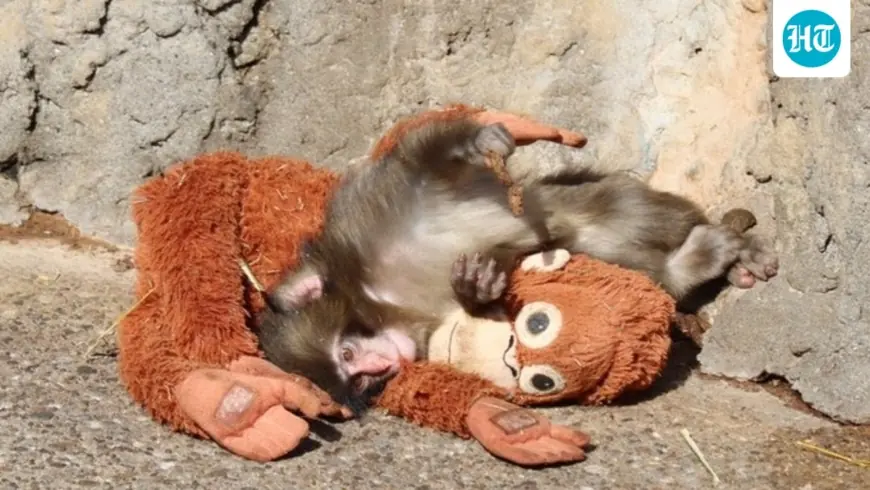
Move over, Moo Deng. The undisputed feel-good viral sensation of early 2026 is Punch — a seven-month-old Japanese macaque at the Ichikawa City Zoo in Chiba Prefecture, Japan, who was abandoned by his mother at birth and found comfort in an IKEA stuffed orangutan toy. His story has captivated tens of millions of viewers, sold out IKEA stores worldwide, flooded a small Japanese zoo with record crowds, and inspired a global wave of protective online fandom unlike anything seen in recent memory.
Who Is Baby Monkey Punch?
Punch — known in Japanese as Panchi-kun — was born on July 26, 2025, at the Ichikawa City Zoo. He was named after Monkey Punch, the mangaka who authored Lupin the Third. He was abandoned by his mother, who lacked interest in raising him. The day after his birth, he was artificially fed from a baby bottle, and two caretakers began hand-raising him.
Zookeepers gave him an IKEA DJUNGELSKOG stuffed orangutan plush — nicknamed "Oran-Mama" by fans — as an emotional support companion in the absence of maternal bonding. Videos of the infant dragging the oversized toy around his enclosure quickly made him an international star.
The Viral Moment That Broke the Internet
On February 5, 2026, the zoo made an online post about Punch's backstory, which became an overnight sensation. Images of Punch with the orangutan plushie went viral in Japan and abroad, and the hashtag #がんばれパンチ — or #HangInTherePunch — began circulating online.
Clips racked up over 30 million views on TikTok and Instagram. Stephen Colbert referenced Punch in his late-night opening monologue. The IKEA stuffed orangutan plush, normally a $20 item, became a $350 resale listing on eBay.
From Rejection to Resilience: Punch's Social Journey
Punch was integrated with other macaques at the zoo's Monkey Mountain — home to around 60 monkeys — on January 19, 2026. Due to the lack of a maternal figure, Punch initially struggled with socializing, showing signs of anxiety and isolation.
Videos showing him being shoved, scolded, and dragging his plush toy back to himself after failed attempts at connection sent fans into a frenzy. When a video emerged showing an older monkey appearing to attack Punch, the zoo moved swiftly to calm the uproar — explaining the adult was simply protecting her own baby, not acting maliciously. Zookeepers reiterated that "no single monkey has shown serious aggression toward" Punch, and asked the public to "support Punch's effort rather than feel sorry for him."
The good news: the zoo reported that "Punch is gradually deepening his interactions with the troop of monkeys," getting groomed, playfully poking at others, and steadily learning how to live as a monkey within the group.
IKEA Steps In — and Lines Form Around the Block
On February 17, IKEA Japan CEO Petra Färe visited the zoo to donate 33 stuffed toys — including additional orangutans — along with storage items, to support Punch and for use in children's areas of the zoo. IKEA Japan posted publicly that "We're ALL Punch's family now," sending its own social media following into meltdown. Huge lines then began forming outside the Ichikawa City Zoo — which zoo officials considered unprecedented — causing them to apologize for delays in entry.
What Science Says About Punch's Attachment to His Plush
Punch's story has drawn comparisons to the landmark 1950s psychology experiments by researcher Harry Harlow, who demonstrated that infant primates consistently preferred soft, comforting surrogate mothers over wire ones that provided only food. Punch's attachment to his IKEA plushie companion mirrors those findings — just as Harlow's monkeys favored their terry towelling mother, Punch has formed an attachment to his plush as a comforting and soft safe place. Primatologists consulted by the BBC noted that rejection and scolding by troop members are actually essential steps toward eventual acceptance in macaque social hierarchies — meaning every hard moment Punch experiences is part of the path forward.
Why the World Can't Stop Watching
Punch has become more than a viral animal story. Analysts and fans alike describe him as a "relatable outsider" — a symbol of loneliness, resilience, and the universal need for belonging. With millions worldwide still following the #HangInTherePunch hashtag and zoo attendance at record levels, his story is still being written — one small, brave interaction at a time.