












Yoko Taro Will Write New Neon Genesis Evangelion Anime; yoko taro In Charge of Writing

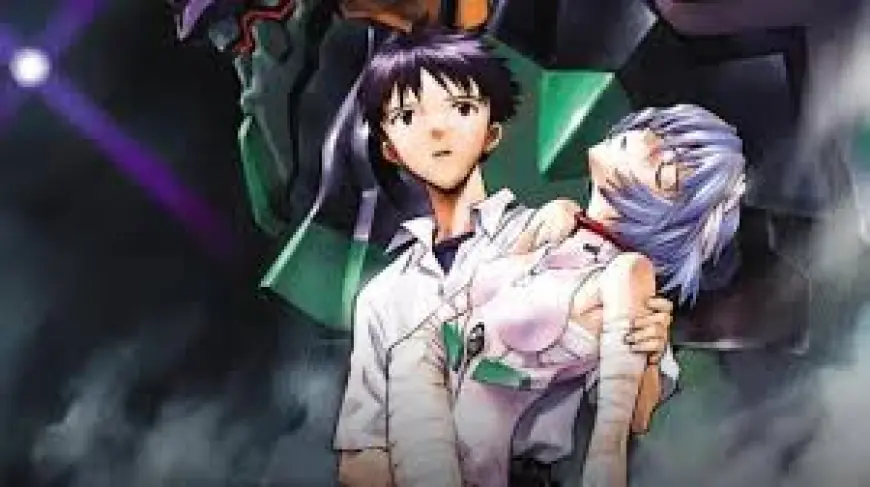
Yoko Taro will be in charge of writing a brand-new Neon Genesis Evangelion anime announced for the series' 30th anniversary. The appointment names yoko taro as writer for a property that has ended multiple times and keeps returning.
Neon Genesis Evangelion Returns
Neon Genesis Evangelion is described as one of the most iconic and legendary anime, a work that continues to inspire debate 30 years after its release. The series is set 15 years after a worldwide catastrophe in a world plagued by attacks from giant aliens known as Angels. The basic premise follows a depressed teenage boy named Shinji who is constantly coerced by his father to pilot a giant mecha to fight the Angels.
Yoko Taro and Directors
The announcement names Yoko Taro as the writer of the new anime; Yoko Taro is best known for the very dark and depressing video games NieR: Automata and Drakengard, which commentators note will fit with Evangelion's tone. Kazuya Tsurumaki and Toru Yatabe are named to handle directing duties on the project.
Tsurumaki's Evangelion History
Kazuya Tsurumaki is described as Hideaki Anno's protégé and served as a longtime animator at Gainax. His Evangelion credentials include directing the first half of the two-part finale and co-directing The End of Evangelion. He also directed the four Rebuild of Evangelion movies. Tsurumaki additionally directed Mobile Suit Gundam GQuuuuuuX, a project said to have been co-produced by Studio Khara and to have felt like an Evangelion and Gundam crossover.
Production and Studio Details
The new project is set to be produced by Studio Khara and CloverWorks. CloverWorks is noted for having co-produced the mecha anime Darling in the Franxx. The involvement of Studio Khara and CloverWorks ties the production to companies with prior connections to Evangelion-related work.
Series Tone and Past Endings
Evangelion's narrative began as a monster-of-the-week sci-fi action anime before evolving into an experimental exploration of its characters' psyches, with plenty of abstract imagery and animation. That evolution culminated in a two-part finale that takes place entirely within Shinji's mind; the finale has been described as horrifying, sexually frank, confusing and convoluted, and also beautiful and rewarding. The franchise has ended multiple times: a landmark film, The End of Evangelion, was released in 1997; later the Rebuild of Evangelion movies followed; and Evangelion: 3. 0+1. 0 Thrice Upon a Time was characterized as a perfect conclusion to the story—a pseudo remake, sequel, and reboot that served as a poignant end to 25 years of Evangelion. Despite those endings, the property keeps returning, with commentary noting that "Evangelion can never end. "
Miscellaneous Items and Closing Notes
The announcement for the 30th anniversary series prompted reflections on Evangelion's long history and its repeated returns. A short separate text included with the materials reads: "Short and stout, this is my handle, this is my spout. " The coverage of the announcement concluded with the fragment: "Welcome back, \"Evangelion, \" y".
The sequence of events in the public materials runs from a description of Evangelion's premise and history, through the naming of Yoko Taro as writer and Kazuya Tsurumaki and Toru Yatabe as directors, to notes on production by Studio Khara and CloverWorks and reflections on the franchise's past conclusions.