























Ioc President Reference Shapes Milano Cortina’s Spread-Out Games as Venues Aim for a Sustainable Legacy

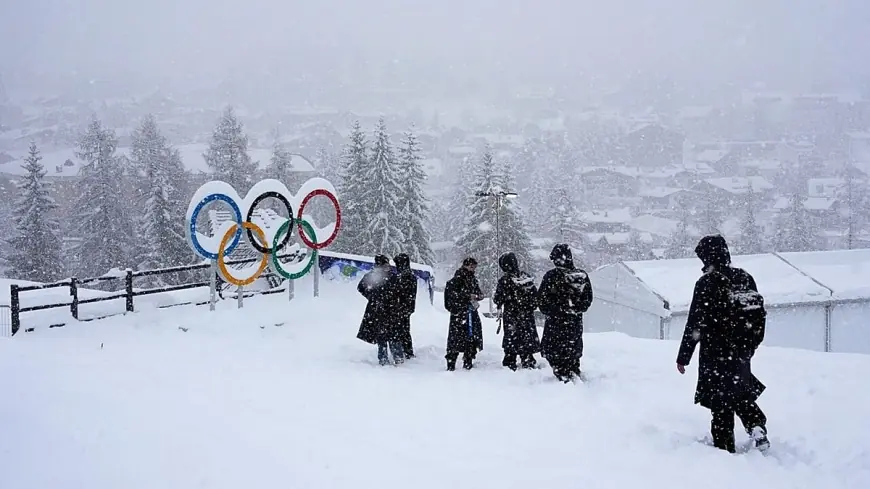
Discussion of legacy and leadership — including direct mentions of the role of ioc president — has accompanied coverage of Milano Cortina’s push to leave a sustainable venue legacy. As the Games progress, organizers and visiting officials have emphasized renovations, energy-efficiency upgrades and a regional hosting model intended to reduce environmental and logistical strain.
Ioc President Mention and the Sustainability Narrative at Milano Cortina
Key visits to renovated sites have drawn attention to how historic venues can be modernised while retaining their character. A high-profile visit to the Cortina Curling Olympic Stadium highlighted a renovation that balances heritage preservation with improved energy performance, accessibility and resource management. The stadium’s modernisation included new lifts and a substantial increase in accessible seating across levels, improved roof insulation and a new dehumidification system designed to enhance the internal environment and ice quality while lowering overall energy consumption.
Milano Cortina 2026’s organisers report that the Games are being delivered using a high proportion of existing or temporary venues, with a stated emphasis on certified renewable electricity and support from low-carbon transport solutions. Those choices are presented as part of an intentional strategy to limit new construction and reduce the carbon and logistical footprint of the event while protecting historic features such as original flooring and representative halls within renovated buildings.
Spread-Out Games: How Milano Cortina Uses a Regional Model
The Games adopt a spread-out, regional hosting model — referred to in planning documents as Giochi diffusi — that spans a wide geographic area and multiple host locations. This model is framed as a test of staging major sports across several clusters rather than concentrating everything in a single city, and organisers cast it as a way to make greater use of existing infrastructure while spreading the costs and reducing pressure on transport and hospitality systems.
One visible effect of the regional approach is varied local energy: some mountain cluster towns display a small-village Olympic atmosphere with athletes visible around lifts and gondolas, while larger urban centres retain much of their everyday rhythm with competitions occurring at venues that are more peripheral to central tourist areas.
Venue Upgrades, Accessibility and What Comes Next
On-site upgrades at Cortina were described as incorporating accessibility improvements alongside energy measures. The installation of multiple lifts and nearly 80 accessible seats on each level at the curling stadium was highlighted as a practical measure to broaden access. Event managers pointed to improved roof insulation and new dehumidification technology as tangible steps that both preserve historic fabric and reduce energy use.
Leaders from the curling community have framed advances in ice-making technology and energy efficiency as part of a broader ambition to embed sustainability into sporting decisions. At the same time, organisers say the regional hosting plan helps distribute the financial burden of staging the Games across several municipalities, while also aiming to be less disruptive to day-to-day life in major host cities.
While final assessments of legacy impact will follow after the Games conclude, the combination of renovated heritage venues, a high percentage of existing or temporary facilities, certified renewable power and low-carbon transport measures represents the operational blueprint Milano Cortina is presenting as its model for a more sustainable, spread-out Olympic era. Mentions of governance roles, including the label ioc president, have appeared alongside these developments as stakeholders discuss how legacy and oversight will shape future events.