

























Snowfall Weather Forecast: Risks and Uncertainty Rise as Rain, Snow and Ice Warnings Threaten Travel and Power

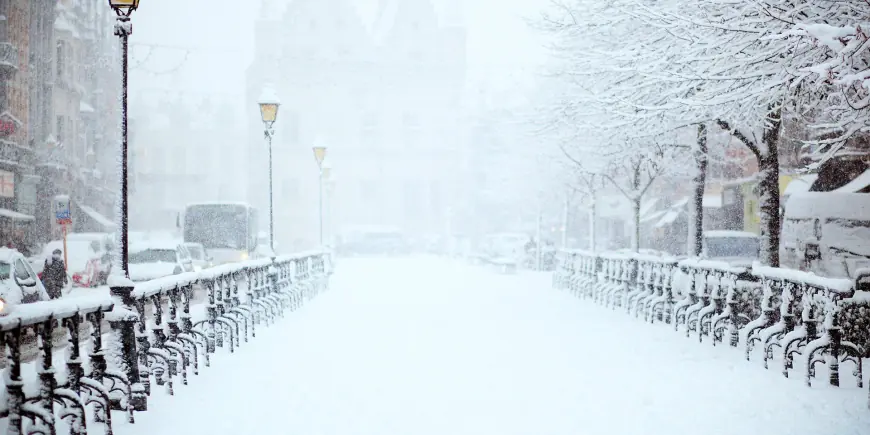
Why this matters now: the Snowfall Weather Forecast is layered with overlapping yellow warnings and conflicting signals that heighten the chance of travel disruption, flooding and power problems across the UK over the next days. Multiple warning areas, strong winds and variable temperature profiles mean the most immediate impacts are regional and time-sensitive — especially for higher ground and south-facing coasts.
Snowfall Weather Forecast — where uncertainty concentrates and who faces the biggest hazards
National severe-weather notices remain active into Thursday morning, but exact timing and amounts are unclear in places. The risk picture includes heavy rain in southern England, a wet–wintry mix across Northern Ireland and Wales, and concentrated hill snow that could isolate communities in parts of Wales. Wind gusts and thawing cycles add uncertainty to flood and travel outcomes.
What the warnings say and the immediate forecast picture
Yellow warnings for rain and snow came into force across Northern Ireland early on Wednesday morning, while a separate yellow warning for rain covers southern parts of England. Another yellow warning for snow is due to begin later across parts of Wales, the Midlands and the southern Pennines; an ice warning for Wales is set to start during the evening.
Frontal systems are moving rain and snow into Northern Ireland and southern and central Britain today and overnight, with strong winds expected through Thursday. The southern England yellow warning is in place through Wednesday and into Thursday; many areas are expected to see 10–20 mm, 20–30 mm is possible along the south coast, and up to 50 mm could fall across Dartmoor. Elsewhere, the wettest locations may see 30–50 mm, a total that risks worsening flooding problems that have affected areas during the first part of 2026.
- Northern Ireland: persistent rain at low levels and snow over high ground, especially the Sperrins; several centimetres could accumulate above 250 metres.
- Southern counties of England: rain turning increasingly heavy through Wednesday afternoon and evening.
- Wales, the west Midlands and northern England: rain shifting northwards late afternoon and evening, with some turning to snow over hills.
Regional specifics — Wales, mid/south‑east Wales and the 18 counties under warning
Wales faces layered concerns: one yellow warning affects 18 counties with snow expected until 06: 00 GMT on Thursday, while a yellow ice warning in the same area runs until 10: 00 on Thursday. People in higher ground in mid and southeast Wales could see heavy totals — context includes projections of up to 10–15 cm above 250–300 metres in some forecasts, up to 15 cm over the highest ground in mid and south‑east Wales in other guidance, and separate material warns of up to 20 cm (8 in) for higher ground in those areas.
The counties listed under the yellow warnings are Blaenau Gwent, Bridgend, Caerphilly, Carmarthenshire, Ceredigion, Conwy, Denbighshire, Gwynedd, Merthyr Tydfil, Monmouthshire, Neath Port Talbot, Newport, Pembrokeshire, Powys, Rhondda Cynon Taf, Swansea, Torfaen and Wrexham.
Travel, infrastructure and coastal impacts — mixed hazards and unexpected complications
Travel disruption, power cuts and a chance of rural villages becoming cut off are all part of the current risk set for large parts of Wales. There is a small chance of delays on roads from stranded vehicles and that train and flight schedules could be affected; a slight chance exists that some rural communities could become cut off. Strong winds will accompany the system, and there is a small chance of cuts to power and mobile service.
Coastal risks are elevated where strong east to northeasterly winds accompany the rain; large waves may affect east‑facing coasts, particularly along the English Channel. An additional operational note in recent coverage highlights an airline warning of major disruption after fog left some aircraft in the wrong place, and an airport description framed a change as a faster, more convenient option in line with other airport charges. Separately, part of the line between Ashford and Borough Green had to close in 2021 after a landslip; one statement described an incident as seeming unusual but offered a rational explanation, with the current closure framed as part of engineering works over the school half‑term break.
Short bullets to cut through the noise
- Cold alert covers most of England until 18: 00 GMT on Friday, with temperatures already below -9C (16F) in parts of north‑east Scotland on Tuesday night.
- Wind gusts of 45–55 mph are an extra hazard where rain and snow coincide.
- Lower levels will see a mix of rain and sleet, with small amounts of wet snow possible; several centimetres are likely above 150–200 m and isolated totals up to 20 cm are cited for higher Welsh ground.
- Yellow National Severe Weather Warnings remain in force until Thursday morning; some lying snow should thaw during the evening and overnight in affected areas.
Here’s the part that matters: the combination of heavy rain totals in the south, hill snow accumulations in Wales and strong winds creates overlapping risks — flooding, stranded vehicles, and possible power or mobile outages — and timing matters for how those hazards interact.
Outlook, timing and remaining uncertainty
As the system clears on Thursday, most areas are expected to turn drier, though Northern Ireland and western Scotland should see cloud and rain increasing by the afternoon and further ice warnings overnight remain possible while temperatures stay below average. The weekend outlook stays unsettled with more bands of rain and brighter intervals; Atlantic air arriving later could push temperatures up, with one projection suggesting exceptionally mild pockets before a return closer to average.
Micro timeline: Tuesday night temperatures fell below -9C (16F); early Wednesday morning saw yellow warnings come into force across Northern Ireland; snow in Wales is expected to persist until 06: 00 GMT on Thursday with an ice warning until 10: 00 on Thursday. Exact amounts and timings remain unclear in places, so hour‑by‑hour updates are advised on the national weather website and app.
It’s easy to overlook, but the real test will be how quickly lying snow thaws in lowland pockets and whether strong winds prevent rapid recovery of disrupted routes — that interaction will determine how long communities and services remain affected.