





















Karl Rove Exposes Gavin Newsom’s Weakness Amid 2028 Presidential Buzz

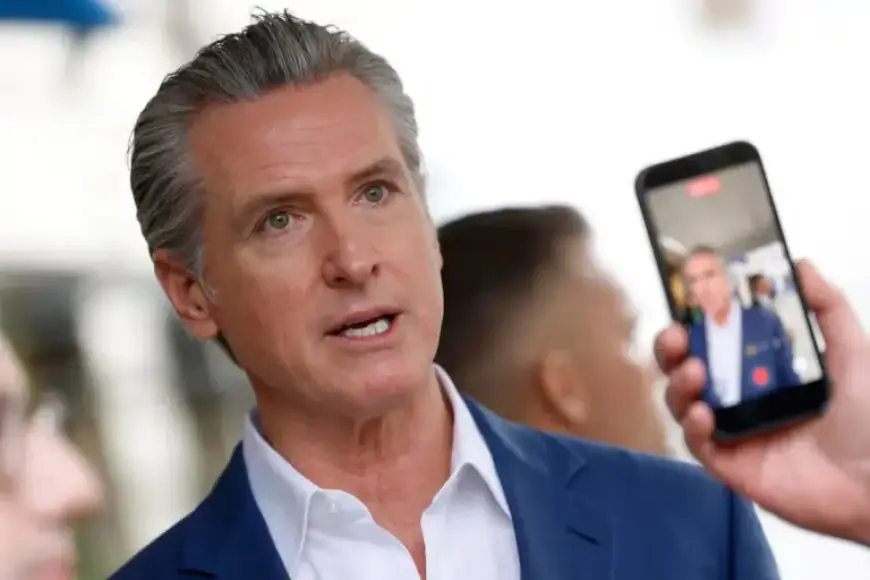
Former White House advisor Karl Rove has highlighted significant weaknesses in California Governor Gavin Newsom’s potential candidacy for the 2028 presidential election. Rove’s critique centers on the state’s economic challenges and high taxes, which he argues may hinder Newsom’s chances for the Democratic nomination.
Karl Rove’s Criticism of Gavin Newsom
In an opinion piece published in the Wall Street Journal, Rove described California as having lost its once-prominent status as an attractive destination for jobs and business. He points to past Republican leaders, such as Ronald Reagan, as examples of how the state used to thrive.
According to Rove, Newsom’s record could be detrimental if he intends to launch a presidential campaign. He indicated that both Newsom and Illinois Governor JB Pritzker have similar vulnerabilities regarding their governance records.
Political Landscape and Economic Concerns
- Rove noted that both governors might struggle to convince voters of their economic capabilities.
- He stated that while personal attributes like appearance and wealth are notable, they overshadow the importance of their actual governance records.
- Some Democratic commentators agree, citing affordability and social issues as critical challenges for Newsom as he considers a run.
The 2028 Presidential Race
Despite these concerns, Newsom remains a prominent figure among Democratic voters, potentially competing with names like former Vice President Kamala Harris. However, analysts warn that his policies might leave him vulnerable to scrutiny.
Counteracting Political Criticism
Over the past year, Newsom has sought to position himself as a strong opponent to former President Trump. He has been active in addressing political narratives, utilizing social media, and even hosting a podcast featuring conversations with conservative figures.
Future Implications
As the political landscape evolves, Rove’s warnings may resonate in the years leading up to the 2028 elections. His critique emphasizes the need for potential candidates to demonstrate effective governance, particularly in light of economic concerns that may weigh heavily on voters’ minds.