





















Wolves Vs Arsenal: Gunners' Title Bid Wobbles After Two-Goal Lead Slips in Dramatic Draw

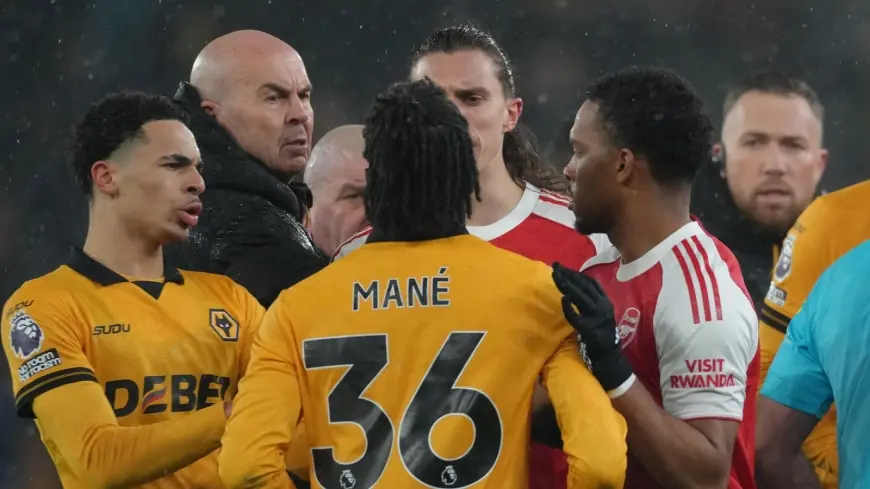
The match labelled wolves vs arsenal ended in a late, dramatic draw that has intensified scrutiny of Arsenal's title credentials. The result matters because it handed a struggling Wolves side a priceless point and narrowed Arsenal's margin for error in a tight title race.
Wolves Vs Arsenal — What happened and what’s new
Arsenal moved into a two-goal lead through an early strike and a second-half finish, but they failed to protect that advantage as Wolves fought back. The hosts reduced the deficit with a long-range curling effort, then snatched a stoppage-time equaliser when a 19-year-old substitute scored on his senior debut after a defensive mix-up. The decisive leveller came in the fourth minute of added time and deflected in off an Arsenal player.
Key confirmed match details: Arsenal took the lead inside the opening minutes and extended it after half-time. Wolves’ comeback featured a 20-yard curler to make the scoreline competitive, and the late goal arrived from a debutant substitute. The draw followed another recent stalemate for Arsenal, meaning the team has now dropped crucial points in successive matches.
Behind the headline
This result shifts the mood around Arsenal's title challenge. With the Gunners no longer having complete control of the title race, pressure increases on both players and management. The club has endured several near-misses in recent seasons and now faces the prospect of having crucial matches and responses demanded of them in quick succession.
Stakeholders and incentives:
- Arsenal players and coaching staff: must respond on the pitch in upcoming fixtures to reassert control of the title race.
- Rivals: a sustained wobble from Arsenal opens a path for challengers to close the gap if they maintain consistency.
- Wolves: a result of major morale value for a side fighting poor form, and a demonstration of resilience from their substitutes and defensive recovery.
Managerial and psychological incentives are obvious: arrest the slide, restore defensive focus, and avoid further costly slips as the season reaches its decisive phase.
What we still don’t know
- Whether the late defensive error that led to the leveller reflects a one-off lapse or a recurring problem.
- How the Arsenal squad will respond physically and mentally in their next fixtures.
- Whether tactical adjustments will be made ahead of the club’s upcoming high-pressure matches.
- The long-term impact on title momentum for Arsenal if results in the immediate run of fixtures do not improve.
What happens next
- Immediate bounce-back: Arsenal addresses the lapses, wins the next high-stakes league match, and restores control of the title race. Trigger: improved defensive organisation and decisive attacking finish in the next match.
- Continued wobble: further dropped points deepen scrutiny and hand rivals the initiative. Trigger: another draw or loss in the next two fixtures.
- Psychological reset: coaching staff publicly and privately refocus the squad, using the setback as motivation to tighten margins. Trigger: visible change in intensity and selection in the next game.
- Momentum shift for rivals: a challenger capitalises on Arsenal slip-ups and closes the gap in the table. Trigger: rivals string together consecutive wins while Arsenal falters.
- Short-term recovery with lingering doubts: Arsenal picks up necessary points but questions about mental resilience persist for the remainder of the season. Trigger: mixed results that leave title outcome still dependent on final fixtures.
Why it matters
Practically, the draw reduces the margin for error for Arsenal in what the team hopes will be a title-winning campaign. The psychological cost of surrendering a two-goal lead—especially against a club near the bottom—raises concerns about concentration and game management at critical moments. For Wolves, the point is a morale-boosting anomaly that underscores the value of persistence and the potential influence of substitutes.
Near-term implications include heightened scrutiny of tactical choices and selection ahead of consequential fixtures, and increased pressure on players to deliver cleaner defensive performances and more clinical finishes. In the broader context of a tight title race, every dropped point becomes that much more consequential.