










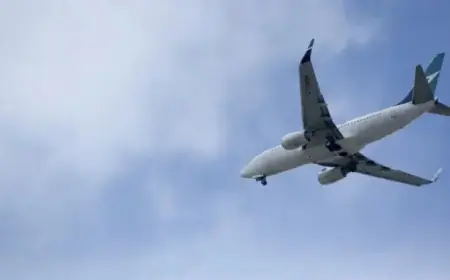














U.S. Tourism Crisis Escalates: Asia Flights Disrupted, Europe Travel Surges


The global tourism industry is facing unprecedented challenges. The United States is experiencing considerable disruptions, particularly due to impending changes to the Electronic System for Travel Authorization (ESTA). These changes are raising concerns among millions of international travelers planning trips to the U.S.
Meanwhile, Asia is grappling with significant flight cancellations, which have left thousands stranded. Over 1,500 flights have been disrupted, affecting several major airlines. In contrast, Europe is witnessing a surge in short weekend getaways, indicating shifting travel trends among tourists.
U.S. Tourism Crisis and ESTA Changes
The impending modifications to the ESTA program threaten to complicate travel for international visitors to the United States. These changes may lead to confusion and delays, as travelers adapt to new regulations. For many, this uncertainty adds to the challenges already present in the travel landscape.
Asia Flight Disruptions
Asia’s aviation sector is currently facing turmoil. A massive wave of cancellations has affected prominent airlines, including ANA, United Airlines, and Korean Air. Factors contributing to these disruptions include:
- Adverse weather conditions
- Geopolitical tensions
- Labor strikes
Countries such as Japan, China, Indonesia, and the Philippines are experiencing significant operational challenges as airlines struggle to manage this crisis. Passengers should be prepared for potential delays and consider rebooking options.
Europe’s Weekend Getaway Surge
In contrast to the turmoil in the U.S. and Asia, Europe is experiencing a remarkable travel trend. Countries like Spain, France, and Germany are seeing explosive growth in short weekend getaways. This shift reflects a growing preference for compact vacations among travelers.
- Cities such as Barcelona, Paris, and Berlin are attracting weekend visitors.
- Travelers are opting for spa weekends in Germany or cultural escapes in Spain.
This trend is reshaping vacation norms, with 2026 poised to be the year of short getaways across the continent.
Snowstorm Chaos at Bucharest Airport
Severe weather has also impacted travel in Europe, particularly at Bucharest OTP Airport in Romania. A recent snowstorm disrupted operations, leading to numerous flight cancellations and delays. Airlines such as Ryanair and Wizz Air faced significant operational challenges, leaving passengers stranded at one of Europe’s busiest airports. This situation underscores the airport’s need to bolster its preparedness for severe weather events.
Implications of New UK Travel Restrictions
The UK is tightening its border control policies, particularly affecting dual nationals. These changes could create confusion and lead to complications for travelers entering the UK in 2026. New passport rules may require additional time for paperwork, potentially straining travel plans for millions.
Conclusion
The global travel landscape in 2026 is rife with conflicts and disruptions. From the anticipated ESTA changes in the U.S. to flight cancellations in Asia and weather chaos in Europe, travelers are urged to stay informed and prepare for uncertainties. As Europe embraces the trend of weekend getaways, travelers globally must navigate these challenges to ensure successful trips throughout the year.