
























How to Get to Heaven From Belfast: Lisa McGee’s New Mystery Caper Draws Early Praise

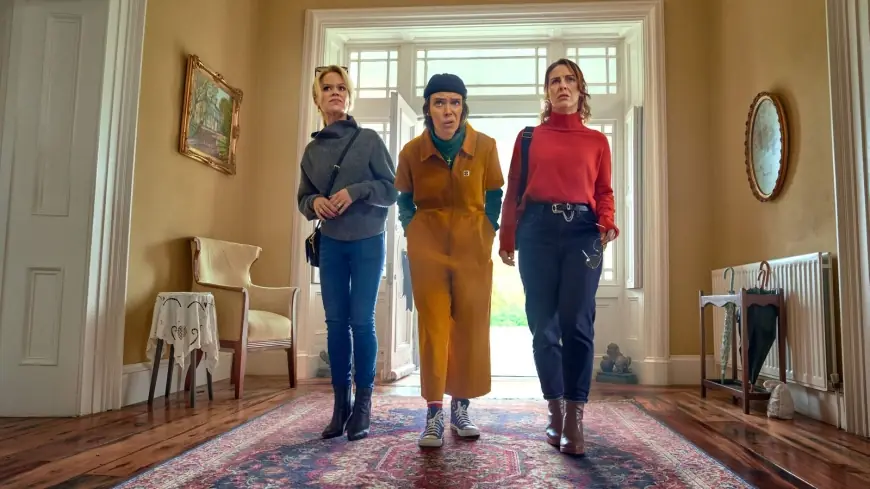
Writer Lisa McGee has delivered a cheeky, combustible whodunit that blends the warmth of small-town bonds with a dark secret at its centre. How to Get to Heaven From Belfast reunites three former schoolfriends at a funeral and quickly spins into a fast-paced investigation that critics and viewers are calling both uproarious and unsettling.
From childhood plays to a darker comic mystery
McGee’s roots in local storytelling are evident throughout the series. The creative who made a name for herself with a nostalgic teen comedy has leaned into the murder-mystery tradition she loved as a child, citing long-standing obsessions with TV sleuths and an appetite for blending humour with menace. She has framed the new project as intentionally female-led and messy, marrying sharp comedic beats to the structural precision of a caper.
The plot opens when Dara, Saoirse and Robyn reunite for the funeral of their fourth friend, Greta. Flashbacks reveal a terrifying adolescent night in a forest shack dotted with occult imagery; the friends remained bound by that memory and a withheld secret. At the wake, an absence of a matching tattoo on the body sets one friend, a crime writer by trade, on edge and sparks an inquiry that quickly grows into a full-blown investigation. The series balances that mystery with the messy logistics of adult life—motherhood, strained relationships and the old loyalties that refuse to let go.
Female ensemble, big performances
The cast carries the tonal tightrope between comedy and threat. Saoirse-Monica Jackson delivers a performance singled out by reviewers for its energy and emotional range, while Caoilfhionn Dunne and Sinéad Keenan round out the trio with grounded, credible chemistry. Natasha O’Keeffe’s absent-but-present Greta looms over the narrative in flashbacks, and the supporting turns—most notably the menacing local figures and a formidable mother figure—amplify the sense that this ostensibly small-town tale contains dangerous undercurrents.
One high-profile review labelled the show a "frenetic, witty caper" and highlighted a "sensational" lead turn, noting that McGee’s characteristic verve and comic timing remain intact even as she navigates darker material. The tonal balance—joyful and ominous in quick succession—has been a recurring point of praise, with many observers noting that the series feels like a natural but surprising next step for the creator.
Reception and what comes next
Response to the programme has been broadly enthusiastic: critics have applauded its plotting, its economy of detail and its refusal to let sympathy blunt suspense. The series is being discussed as both a crowd-pleasing mystery and a vehicle for strong, middle-aged female characters who are permitted flaws, anger and cunning in equal measure.
McGee has spoken about drawing on lived experience—growing up in a part of the world shaped by complex social realities—to give the show a truthful texture beneath its comedic surface. That realism, combined with propulsive pacing and memorable performances, has positioned How to Get to Heaven From Belfast as one of the year’s more talked-about television arrivals. For viewers who enjoy mysteries with heart and humour, the series presents a compelling invitation: dig into the past, but be ready for surprises.