























U.S. Reverts, Leaving No Effective Clean-Car Regulations

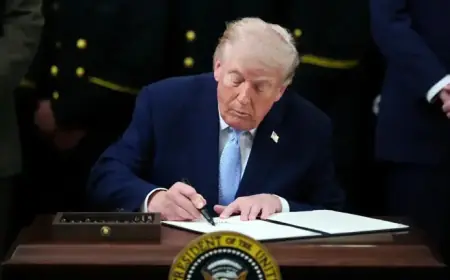
The recent opposition to effective clean-car regulations in the United States has left the country without robust laws governing vehicle emissions. This development follows a series of regulatory rollbacks initiated by the Trump administration, culminating in the elimination of the “endangerment finding” by the Environmental Protection Agency (EPA), a critical scientific conclusion linking greenhouse gases to health risks.
Impact of the Reversions on U.S. Clean-Car Regulations
Experts agree that the end of federal emissions standards signifies a drastic shift. Margo T. Oge, a former EPA vehicle emissions regulator, stated, “The U.S. no longer has emission standards of any meaning.” This indicates a unique position for the U.S., as few countries operate without any emission regulations.
The State of U.S. Transportation Emissions
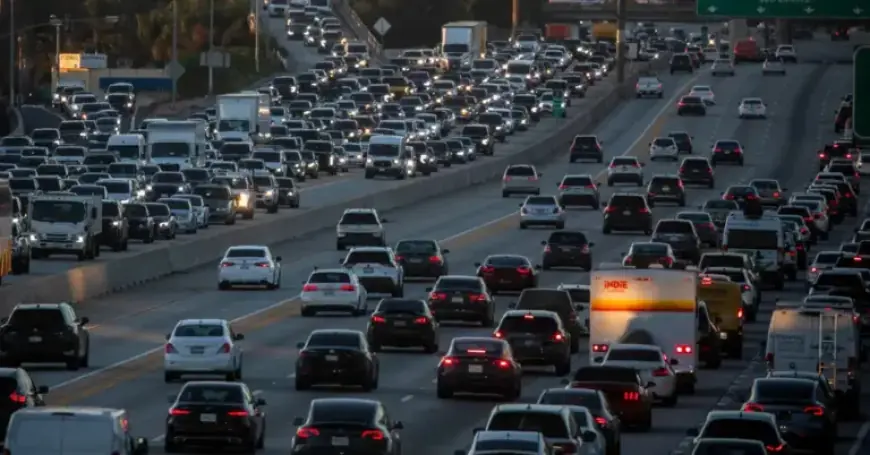
- Transportation contributes to the largest single source of greenhouse gases in the U.S.
- California has pledged to challenge this ruling to uphold stricter emissions standards.
- The Department of Transportation maintains some regulatory authority over fuel economy.
Last year, the Trump administration proposed substantial reductions to these fuel economy standards. Congress approved significantly reducing penalties for non-compliance to zero, effectively making adherence voluntary for automakers.
Global Context and Competitive Disadvantages
The U.S. is now isolated compared to many industrialized nations that enforce mandatory emissions standards. As regulatory pressure eases domestically, experts warn that American automakers could become reliant on gas-guzzling SUVs and trucks, putting them at a disadvantage against international competitors who are leaning more towards electric vehicles (EVs).
According to predictions from the Environmental Defense Fund, failing to regulate emissions could lead to a rise in greenhouse gas emissions by 10% over the next three decades. This trend undermines international climate efforts as the U.S. moves away from policies embraced by regions like Europe and Asia.
Future Legal Challenges and Industry Responses
Challenges to the endangerment finding will likely come from environmental groups and states like California. Additionally, experts caution that if emissions regulations remain relaxed, it may adversely affect American competitiveness in the global EV market.
- John Bozzella, head of the Alliance for Automotive Innovation, supported some rollbacks but noted the need for standards.
- President Trump has previously suggested that electric vehicles could harm the auto industry.
- The Biden administration had aimed to reinforce stringent emissions regulations, contrasting with the current landscape.
Potential Outcomes of the Recessions
Industry analysts suggest automakers may pivot towards gasoline-powered models due to these relaxed regulations. However, this strategy may prove detrimental, as they might struggle to compete with their global counterparts, especially those prioritizing electric vehicle technology.
As the U.S. enters a phase without effective clean-car regulations, the ramifications for both public health and the automotive sector could be significant. The transition towards a more carbon-intensive automotive future contrasts sharply with global movements, potentially jeopardizing the long-term success of American manufacturers in an evolving market.