




















Why did former teen superstar James Van Der Beek need help to pay his medical bills?

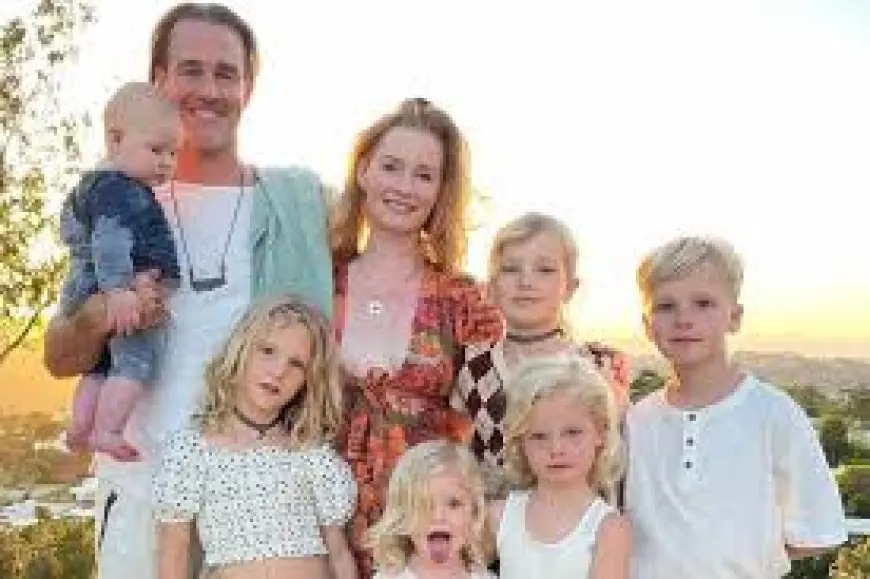
James Van Der Beek, the actor best known for playing Dawson Leery in a 1990s teen drama, died on Wednesday at age 48 after a three-year battle with colorectal cancer. In the months before his death, he and his family publicly acknowledged that the cost of treatment had put them under severe financial strain, prompting auctions of career memorabilia and a widely shared fundraiser that drew donations from industry figures and fans alike.
Medical costs, auctions and a high-profile fundraiser
Van Der Beek and his wife moved to raise money to cover mounting medical bills and to keep their family secure. The couple auctioned off items kept for decades — including a tartan shirt worn in the first episode of his breakthrough series, a prop necklace and movie-worn sports shoes — with some pieces attracting thousands of dollars. A stuffed toy tied to the actor’s on-screen character and other memorabilia also sold for several thousand each.
The family’s public appeal drew donations from a mix of private individuals, fellow performers and prominent figures in film and technology. Contributions included multiple five-figure gifts and several recurring pledges; one anonymous donor pledged a substantial monthly amount, and another large anonymous contribution was disclosed. By the time of his death the fundraiser had passed the multimillion-dollar mark, providing the family with significant, though hard-won, relief.
Those efforts were accompanied by public messages from friends and colleagues, and by a small roster of named industry donors who made headline contributions. The actor also served as an advocate for colorectal cancer screening and had ties to a company that develops blood tests for early detection; that company made a donation to the family’s fundraiser as well.
Pay structure, insurance thresholds and the fragile safety net for performers
Van Der Beek’s situation highlighted a fault line in how many performers are paid and protected. He has said in the past that he earned almost nothing from his breakout show in the 1990s because his original contract did not include meaningful residuals — the repeat-payments that can continue to provide income when shows are re-aired or streamed. Other actors from the same era have seen those residual streams become major sources of long-term income, but those arrangements are uneven across projects and contracts.
Health insurance tied to work in the industry also presents challenges. To qualify for coverage through the performers’ union, an actor typically must meet a minimum threshold of workdays or earnings on union-covered shoots in a given year. The benchmarks are designed to ensure that regular, paid employment supports access to benefits, but part-time work, guest appearances and the irregular scheduling common in acting careers can leave many performers just short of eligibility.
Beyond contract terms and union thresholds, the economics of entertainment have shifted in recent years. Streaming distribution and new licensing models have altered revenue flows, and some actors and industry observers say those changes have reduced the residual income that previous generations of performers relied on. One working actor expressed concern that traditional revenue streams have largely evaporated, leaving many to depend on episodic work and side projects that may not deliver stable benefits.
Legacy and the wider conversation
Van Der Beek’s public fight and the outpouring of support for his family have prompted renewed discussion about how the entertainment industry supports its workers through illness, as well as the broader problem of medical debt for millions of Americans. The fundraising and auctions eased immediate pressures for his widow and six children, but the episode also underscored how personal savings, fan generosity and ad hoc donations are often what stand between a family and financial disaster when insurance and steady residuals fall short.
As the family mourns, the debate over pay, benefits and how best to protect creative workers is likely to continue, with his experience serving as a stark example of the stakes involved.