

























Big Air Skiing Olympics 2026: Slopestyle Shake-Up Sets Stage for High-Flying Showdown

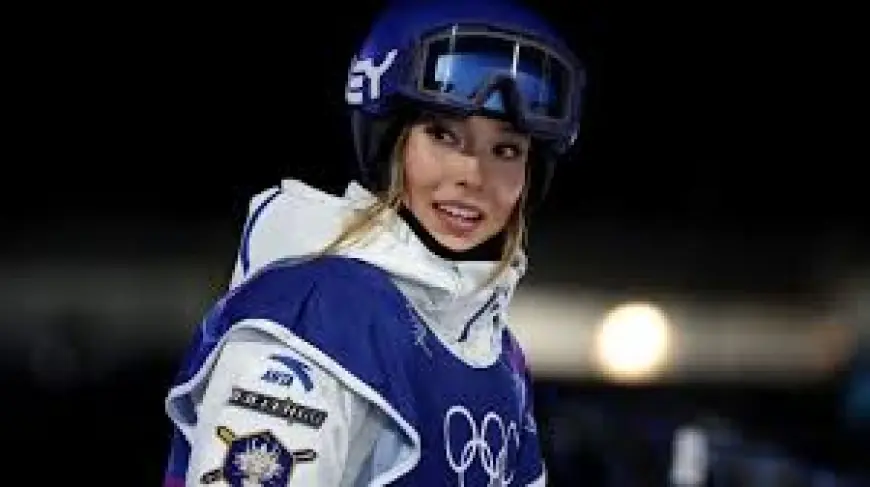
Freestyle skiing's momentum from the slopestyle finals on Feb. 9, 2026 (ET) has re-ordered expectations heading into the big air competition at the 2026 Winter Olympics. A dramatic final run that produced a gold for one veteran and a silver earned despite a crash for a leading contender has plenty of storyline carryover as athletes prepare to chase medals in the risk-heavy, single-jump spectacle.
Slopestyle outcome intensifies the rivalry
The slopestyle podium offered a compact preview of who could dominate big air. A late, high-scoring run vaulted one skier to gold while a rival—who endured a crash while attempting a trick nicknamed the "disaster"—still managed to collect silver. A Canadian athlete completed the podium with a gritty performance that underlined the depth of the field.
Those results matter because slopestyle and big air share core demands: aerial control, amplitude, and the willingness to commit to technically difficult tricks under pressure. The athlete who pulled off the clutch final run showed the kind of nerve and execution that judges reward when big air competitors attempt massive spins and complex grabs. The silver medalist's ability to recover from a fall and still post a top score speaks to consistency and resilience—qualities that could pay dividends on the big air ramp.
Key storylines to watch in big air
Big air is a distilled test: one jump can decide everything. Expect several themes to dominate the event. First, technical progression — competitors continue to push rotation and inversion limits; judges are prioritizing clean landings and amplitude as much as trick difficulty. Second, risk management — athletes who balance innovation with reliable execution may outscore those who crash on higher-difficulty attempts.
Weather and wind conditions will also play an outsized role. A headwind can give extra hang time and help with complicated rotations, while a crosswind or gusty conditions increase the chance of an unstable landing. Coaches and riders will be monitoring conditions closely and adjusting run lists in real time.
Beyond mechanics, psychological momentum from the slopestyle contest could influence decisions on trick selection. Competitors who landed big runs late in the slopestyle final may carry confidence into big air; others who fell short might opt for conservative lists early, hoping to build from a clean opening score.
Medal implications and what this means for the Games
The crossover between slopestyle and big air means Olympic medal tables in freestyle skiing can hinge on a handful of athletes who double in both events. A sweep of podiums by skiers who excel across disciplines would amplify their nations' medal hauls and reshape pre-event predictions.
As the Games proceed, attention will focus on who adapts best to the single-jump pressure. Expect coaches to fine-tune run strategies and competitors to reveal go-to tricks that balance wow factor with consistency. If the slopestyle final is any guide, fans are in for dramatic, high-stakes action where a single moment can flip the standings and create new stars on the biggest stage.
Big air is next up on the Olympic freestyle calendar, and the sport’s blend of athletic bravery and split-second precision is primed to deliver one of the Games’ most exhilarating showdowns.