

























Nepal vs West Indies: West Indies bowl Nepal to lowest powerplay in T20 World Cup history

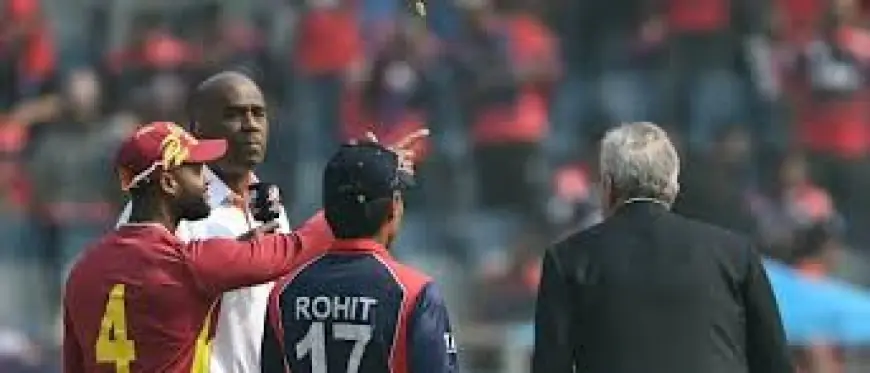
West Indies produced a devastating opening burst at the Wankhede Stadium in Mumbai, reducing Nepal to 22/3 at the end of the powerplay — the lowest first-six overs total in T20 World Cup history. The early onslaught has left Nepal with a steep climb to keep their tournament hopes alive, while the Windies move closer to locking down a Super 8 spot.
Dream start for the Windies — three wickets inside six overs
Electing to bowl first, the visitors struck early and often. Akeal Hosein provided the initial breakthrough when a skidding delivery uprooted Kushal Bhurtel's stumps. Matthew Forde followed up by trapping captain Rohit Paudel lbw, and Jason Holder joined the attack on a high note with the scalp of Aasif Sheikh. The quick triple strike left Nepal reeling and restricted them to a meek 22 for 3 after six overs — a new low for powerplay scoring in the tournament.
The trio of Hosein, Forde and Holder combined aggression with control, targeting the stumps and shoulders of the bat to force mistakes. Nepal's top order, which had looked promising in parts of the competition, offered little resistance early on as disciplined lines and subtle variations stifled scoring and produced wickets.
Nepal's uphill task and match outlook
With the top order back in the pavilion, Nepal will need a composed middle-order response to rebuild a defendable total. Players such as Dipendra Singh Airee, Lokesh Bam and Gulshan Jha are now tasked with arresting the slide and accelerating when the ball softens. The presence of the experienced leg-spinner Sandeep Lamichhane in the XI gives Nepal a weapon to rely on when it’s their turn to bowl, but a subpar batting performance will leave him with little margin for error.
For West Indies, the position is comfortable. The balance of their side — an aggressive top order complemented by seasoned all-rounders and a varied spin attack — has shown its worth in this tournament. A disciplined bowling effort like the one seen in the powerplay sets up a straightforward chase for the likes of Brandon King, Shai Hope and Shimron Hetmyer. If the batsmen apply themselves, the Windies should be able to chase a modest target without undue risk.
Implications for the tournament
The result of this match carries immediate group-stage consequences. West Indies, buoyed by a recent big win and this clinical start, are aiming to remain unbeaten in their pool and firm up their route to the Super 8s. Nepal, meanwhile, enter a must-win phase: two losses so far in the competition mean they must find a convincing performance here to revive their campaign.
Beyond the immediate outcome, the performance highlights the importance of early momentum in the T20 format. A dominant powerplay can suffocate a batting side's plans and force an opposition into reactive cricket for the remainder of the innings. West Indies have demonstrated that template effectively in Mumbai; Nepal must now respond with patience, calculated risk and partnerships if they are to change the course of this fixture.
Squads (playing XI):
Nepal — Kushal Bhurtel, Aasif Sheikh (wk), Rohit Paudel (c), Dipendra Singh Airee, Aarif Sheikh, Lokesh Bam, Gulshan Jha, Sompal Kami, Karan KC, Nandan Yadav, Sandeep Lamichhane.
West Indies — Brandon King, Shai Hope (c) (wk), Shimron Hetmyer, Roston Chase, Sherfane Rutherford, Rovman Powell, Jason Holder, Matthew Forde, Gudakesh Motie, Akeal Hosein, Shamar Joseph.
Further developments will determine whether this match becomes a straightforward finish for the defending champions or a dramatic fightback from Nepal. For now, the scoreboard and early bowling dominance belong firmly to West Indies.