

























Colorado River States Miss Water Deadline amid ‘Extremely Frustrating’ Talks

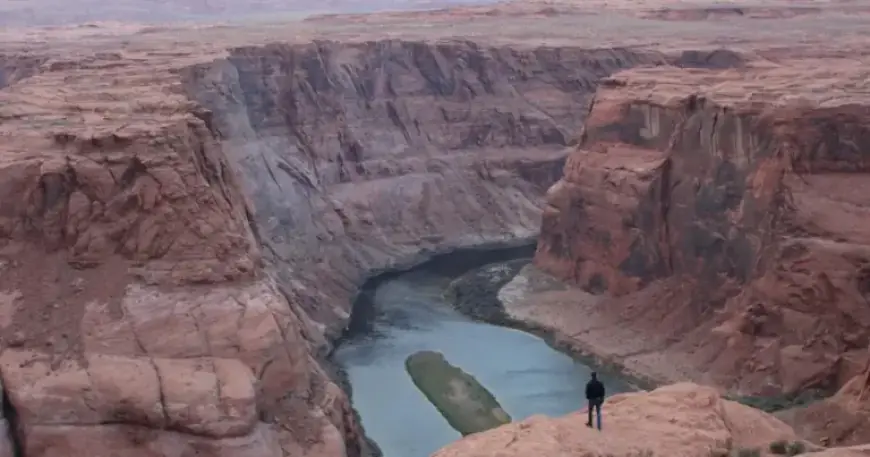
The states dependent on the Colorado River have failed to meet a critical deadline for establishing new water-sharing guidelines. This situation arises amidst a prolonged period of negotiations that have stretched on for nearly two years. The negotiations are particularly urgent due to the river’s declining water levels, a direct consequence of climate change. This impasse threatens the water supply for nearly 40 million people across seven states.
Impasse in Negotiations for Colorado River Water Sharing
In mid-February, federal water managers set a deadline for negotiators hailing from the seven states utilizing water from the Colorado River. However, discussions ended without any resolution. John Entsminger, Nevada’s water negotiations head, described the talks as “extremely frustrating.”
Division Among Colorado River States
The seven states are divided into two main factions. The Lower Basin states—Arizona, California, and Nevada—have generally agreed to some mandatory water cutbacks. In contrast, the Upper Basin states—Colorado, Utah, Wyoming, and New Mexico—remain resistant to such measures.
- Lower Basin States: Arizona, California, Nevada
- Upper Basin States: Colorado, Utah, Wyoming, New Mexico
The Upper Basin argues that their natural water supply fluctuates due to climatic conditions, making it challenging for them to agree on cuts. Becky Mitchell, Colorado’s chief negotiator, claimed, “We’re being asked to solve a problem we didn’t create with water we don’t have.”
Threat of Federal Interventions
If the states cannot reach an agreement by October, the federal government might impose its own management rules for Colorado River water use. This could set the stage for significant cutbacks, potentially triggering lawsuits that may escalate to the Supreme Court.
Tom Buschatzke, head of Arizona’s water resources, expressed disappointment over the ongoing stalemate. He criticized Upper Basin representatives for rejecting numerous compromises proposed by Lower Basin states throughout the negotiation process.
Political Pressure Surrounding Water Management
This situation has elicited political responses, with Arizona’s congressional representatives sending a letter to the Secretary of the Interior. They urged the withdrawal of a federal draft plan that they believe would unfairly burden Arizona while sparing Upper Basin states.
Gene Shawcroft, Utah’s negotiator, indicated that Upper Basin leaders would pursue a short-term agreement focused on safeguarding reservoirs from critically low levels. Current winter conditions depict one of the driest sequences in decades, exacerbating the urgency of the situation.
Future Prospects and Involvement from State Leaders
Federal forecasters from the Bureau of Reclamation have warned of looming challenges concerning Lake Powell’s water levels. Limited snowfall this winter may create significant issues this summer, including the potential shutdown of Glen Canyon Dam’s hydroelectric power generation by July 2023.
State leaders expressed their commitment to continuing negotiations and emphasized the importance of avoiding court battles. Buschatzke suggested that greater involvement from the governors of the seven river states might foster progress in reaching a compromise. Outside pressures from various stakeholders, including farmers and city officials, could also motivate negotiators to find common ground.