






















Costume Designers Prioritize Spectacle Over Accuracy in Fashion Films

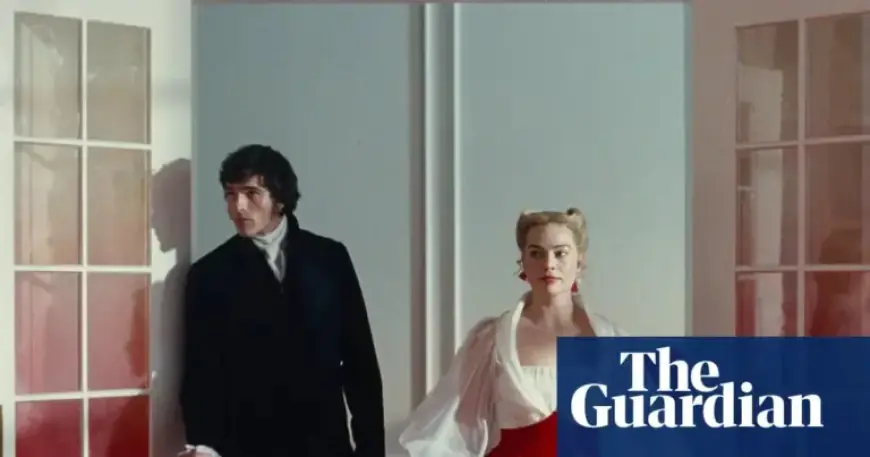
Emerald Fennell’s adaptation of Emily Brontë’s classic novel, *Wuthering Heights*, makes its cinematic debut this weekend. The film has generated considerable discussion due to its unconventional approach to costume design, blending historical elements with modern aesthetics.
Costume Design: A Balance of Spectacle and Storytelling
Leading the costume design efforts is Jacqueline Durran, an Oscar-winning designer who has crafted visually striking looks for the film. Durran emphasized that the costumes do not adhere strictly to a specific historical timeframe. Instead, she aimed to convey a narrative through fashion.
Her designs feature an eclectic mix of influences, including:
- Thierry Mugler
- Alexander McQueen
- German milkmaid styles
- Elizabethan, Georgian, and Victorian fashion
- Contemporary elements
Durran’s unique interpretation is evident in Cathy’s wedding dress, crafted from a cellophane-like material, which highlights the film’s emphasis on visual impact over historical accuracy. “We’re not representing a moment in time at all,” she stated in an interview with Vogue.
The Trend of Anachronistic Costuming
*Wuthering Heights* contributes to a broader trend among filmmakers that prioritizes creativity over adherence to historical accuracy. Kate Hawley, known for her work on Guillermo del Toro’s *Frankenstein*, acknowledges the same theme in her designs.
Additionally, Holly Waddington, the Bafta-winning costume designer for Yorgos Lanthimos’ *Poor Things*, also experimented with modern materials like plastic and latex. She remarked that her intention was to “play with the period, not be slavish to it.”
The “Bridgerton Effect”
The popular Netflix series *Bridgerton*, which started airing in 2020, is often cited as a catalyst for this trend. Keith Lodwick, a theater and film historian, notes that the series offers a fantasy version of the Regency era, appealing to audiences seeking escapism during the pandemic. This mixing of modern styles into period drama has become a hallmark of contemporary costume design.
Cultural Reflections in Costume Design
Historically, costume design has mirrored the cultural zeitgeist of its time. Helen Walter, a costume and visual historian, questions whether the shift towards anachronistic costumes is as significant as some claim. She suggests that costume design often communicates more about the era in which it is created than about the historical period it depicts.
Creative License in Costume Design
True historical accuracy is challenging, if not impossible, to achieve. Sandy Powell, who crafted costumes for *Shakespeare in Love,* highlights the difficulties in sourcing fabrics that match historical standards. She recalls using an art deco lace for an Elizabethan collar, demonstrating that the aesthetic can sometimes take precedence over accuracy.
Overall, designers like Powell strive to align their creations with the film’s narrative. For her upcoming project, *The Bride!*, she blends period accuracy with artistic license, envisioning a world where 1970s punk influences the fashion of the 1930s.
Conclusion: The Evolving Landscape of Costume Design
The ongoing shift towards anachronistic costume designs invites new interpretations of historical narratives. While some believe this trend leads to a more distinct identity for films, others argue it detracts from the opportunity to authentically experience different eras. Regardless, the interplay of fashion, storytelling, and audience connection remains central to the evolving art of costume design in cinema.