

























James Van Der Beek’s Passing Spurs Early Colorectal Cancer Screening Efforts

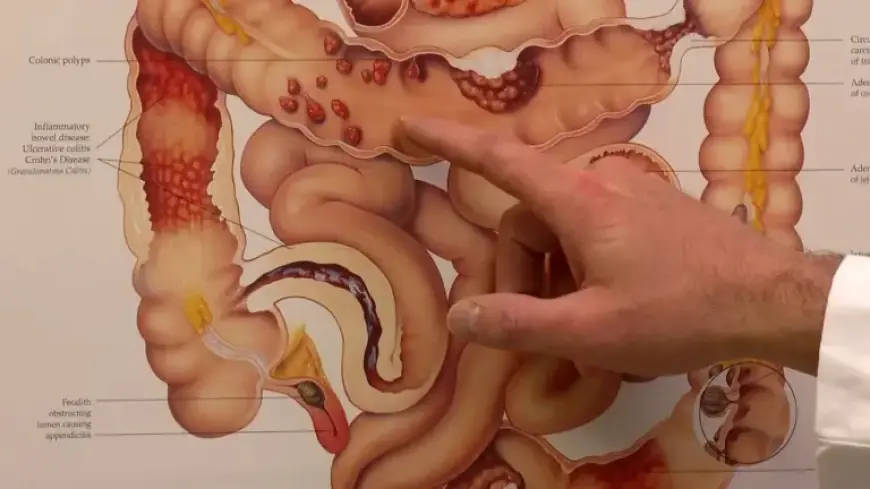
The recent passing of actor James Van Der Beek has ignited a call for greater awareness about colorectal cancer screenings. Medical professionals are urging the public to prioritize early detection efforts. Colorectal cancer is a significant health concern, serving as one of the leading causes of cancer-related fatalities in the United States.
Colorectal Cancer: An Overview
Colorectal cancer impacts the colon and rectum, with alarming trends showing an increase in diagnoses among adults under 50. The American Cancer Society highlights that localized cases have a five-year relative survival rate of 91%. However, this statistic sharply decreases for more advanced stages:
- 74% for cancer that has spread regionally
- 13% for cancer that has metastasized to distant organs
The Importance of Early Screening
Health experts emphasize that early screening can significantly improve survival rates. Dr. John Whitfield, a colorectal surgeon with Mission Health, recommends that individuals begin screenings at age 45. Those with a family history of colorectal cancer may need to start earlier.
Symptoms such as bleeding, altered bowel habits, chronic diarrhea, abdominal pain, or anemia should not be overlooked. “Get it checked out, because that may be the thing that saves your life,” Dr. Whitfield advises.
Screening Options
Colonoscopy is a crucial tool in the early detection and prevention of colon cancer. This procedure not only identifies cancer but also allows for the removal of precancerous growths simultaneously. Early intervention is vital for enhancing the chances of recovery and minimizing treatment complexities.
Conclusion
The impact of James Van Der Beek’s death serves as a poignant reminder. Increased education about colorectal cancer and the necessity for early screening can ultimately save lives. Individuals are encouraged to discuss their screening options with healthcare providers to ensure timely and effective care.