
























Tumbler Ridge School Shooting in British Columbia: What Happened, What’s Confirmed, and What Comes Next for Canada

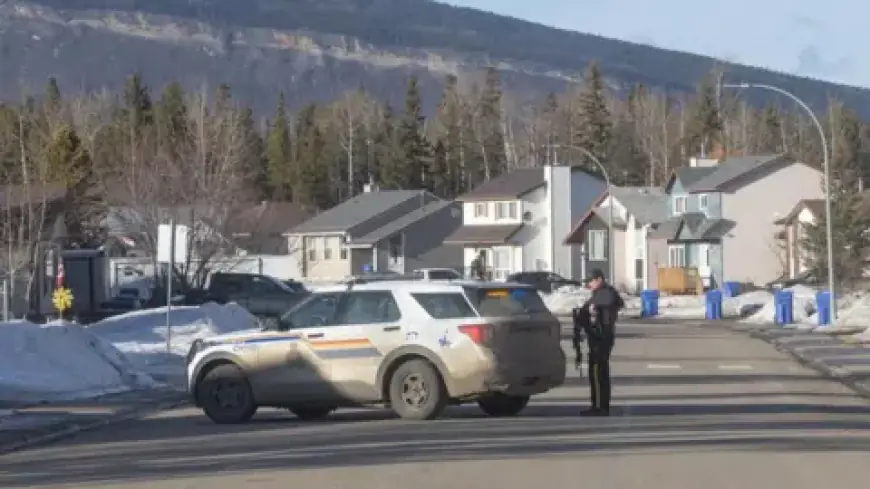
A mass shooting in Tumbler Ridge, British Columbia, has left the small northern community reeling after an attack that began at Tumbler Ridge Secondary School and extended to a nearby residence on Tuesday, February 10, 2026. Police say 10 people are dead, including the suspected shooter, and more than two dozen others were injured. The event is among Canada’s deadliest shootings in recent decades and has reignited national debate over violence, warning signs, and security in schools.
Officials say there is no ongoing threat to the public, but the investigation is still unfolding, with key details about motive and how the attacker obtained a firearm not yet publicly established.
What happened in Tumbler Ridge: the confirmed timeline in ET
Police received an “active shooter” report at Tumbler Ridge Secondary School at approximately 3:20 p.m. ET on Tuesday (1:20 p.m. local time). A shelter-in-place order and emergency public alert followed as officers and emergency responders converged on the school.
By late afternoon and early evening, officials announced the alert had been cancelled and indicated they did not believe there were additional suspects. The suspected shooter was found dead at the school from what police described as an apparent self-inflicted gunshot wound.
Authorities have said multiple victims were found inside the school, one victim died while being transported for medical care, and two additional victims were found at a nearby residence believed to be connected to the incident.
Injuries were extensive. More than 25 people were treated, with at least two described as critically injured and transported out for higher-level care.
Victims, suspect, and the Jesse Strang name: what’s known and what isn’t
Police initially described the suspect as a woman and issued a public alert during the response that referenced a person matching that description. Officials have not publicly released the suspect’s name or the identities of victims, citing investigation and privacy considerations.
A name circulating widely online, Jesse Strang, has been linked to the suspect in some reports, but law enforcement has not officially confirmed that identification. At this stage, it is best understood as unverified until authorities formally release the suspect’s identity.
Behind the headline: why this case is so destabilizing for Canada
Tumbler Ridge is a remote, close-knit community. In places like this, schools function as civic centers as much as education sites. That’s why the psychological impact extends far beyond the immediate crime scene: nearly everyone is connected to the school through family, work, or community life.
There are also structural reasons the event is nationally resonant:
-
Canada has comparatively fewer mass shootings than its southern neighbor, so each major incident becomes a national stress test for institutions, policing, and prevention systems.
-
In small communities, emergency response capabilities are limited by distance, staffing, and transport times, raising the stakes for rapid containment and medical evacuation.
-
When an incident spans a school and a residence, it raises immediate questions about whether the violence was targeted, domestic in origin, or part of a broader grievance.
Incentives and stakeholders: who is under pressure now
Several groups face competing demands in the days ahead:
-
Investigators must secure evidence, map a precise timeline, and avoid contaminating witness accounts while the community is flooded with rumors.
-
School officials must restore safety and trust before reopening, even if the building itself is cleared.
-
Families want answers quickly, but premature disclosures can trigger copycat threats, harassment, or misidentification.
-
Political leaders are pressured to respond empathetically while avoiding policy pronouncements before facts are established.
The tension is familiar: the public wants a single “why,” but investigators often need time to verify relationships, communications, and the weapon’s path before they can responsibly state motive.
What we still don’t know
Despite the grim clarity on casualties, several core questions remain unresolved:
-
The motive and whether specific individuals were targeted
-
The suspect’s connection to the school and to the residence where two victims were found
-
How the firearm was obtained and whether it was legally owned
-
Whether there were prior warning signs, threats, or concerning communications
-
Whether any security measures failed, or whether the attack was too fast for typical safeguards to matter
These missing pieces will determine whether the story becomes primarily about access to firearms, mental health and threat reporting, school security design, or failures in intervention systems.
What happens next: realistic scenarios and triggers
-
Formal identification and victim notifications
Trigger: completion of next-of-kin notification and investigative sign-off on public release. -
A clearer motive narrative emerges
Trigger: interviews, digital evidence, and relationship mapping confirm why the suspect acted and who was targeted. -
School reopening plan with enhanced supports
Trigger: building clearance plus deployment of counselors, trauma supports, and security adjustments. -
Policy and prevention debate accelerates
Trigger: confirmation of weapon sourcing and any documented warning signs. -
Increased copycat-threat precautions nationwide
Trigger: heightened threat reporting and precautionary closures in other districts as attention spikes.
Why it matters
This tragedy is not only a local catastrophe; it is a national warning about how quickly violence can overwhelm a community and how hard it is to prevent when grievances, access, and opportunity converge. The next critical phase is not the headline count of victims, but the quieter work of confirming motive, tracing the weapon, learning whether warning signs existed, and rebuilding a sense of safety for students, staff, and families in Tumbler Ridge.