

























Southwest Adds Fees, Activist Investor Exits After Gaining Control

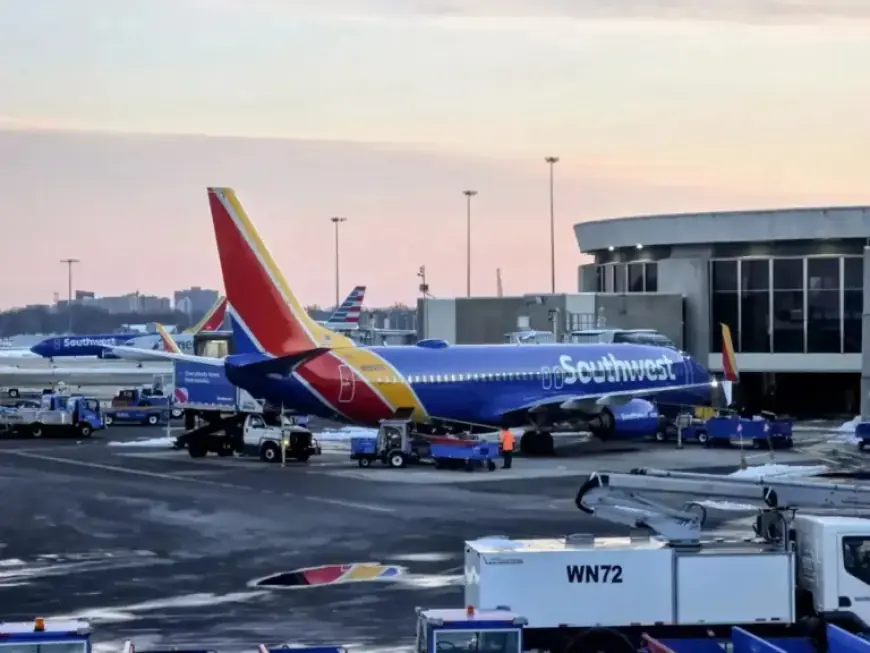
The recent developments at Southwest Airlines reflect significant changes in corporate strategy and management dynamics. The airline has introduced new fees for basic economy tickets, charging for checked bags, and implementing paid assigned seating. These shifts are largely attributed to the influence of Elliott Management, an activist investor that previously held a substantial stake in the airline.
Changes Driven by Activist Investor
Elliott Management sought substantial alterations in Southwest’s operations. They pushed for policies that included selling aircraft and leasing them back. This approach aimed to leverage the airline’s balance sheet to finance stock buybacks, which resulted in a temporary increase in share prices.
Board Resignations and Company Restructuring
As Elliott Management’s interest wanes, two board members, David Cush and Gregg Saretsky, have announced their resignations effective February 23, 2026. Following their departure, the board size will decrease from 13 to 11 members. This shift indicates a notable decline in external control over company decisions.
Impact on Employment and Financial Performance
In a historic first, Southwest Airlines laid off employees as part of these organizational changes. Although profits in 2025 were partially bolstered by low jet fuel prices and adjustments to credit card revenue accounting, the long-term strategy appears questionable.
Strategic Missteps and Market Position
- The airline’s decision to stick solely to Boeing 737 aircraft limited its ability to serve diverse markets.
- Not participating in online travel agency bookings caused significant financial losses due to decreased visibility.
- Heavy reliance on Dallas passengers skewed route performance, losing potential business from travelers using platforms like Expedia.
Additionally, the lack of competitive features, such as in-flight entertainment and international partnerships, has left Southwest vulnerable. The airline’s transition to unbundling services, including the basic economy fare, has inadvertently made them more expensive compared to competitors.
Conclusion
Again, while necessary changes were needed for Southwest Airlines, they risk losing the unique components of their successful business model. As Elliott Management exits, questions remain regarding the future direction of the airline and its ability to regain its former competitive edge.