






















Women’s Inclusion May Revive Declining Winter Olympics Sport

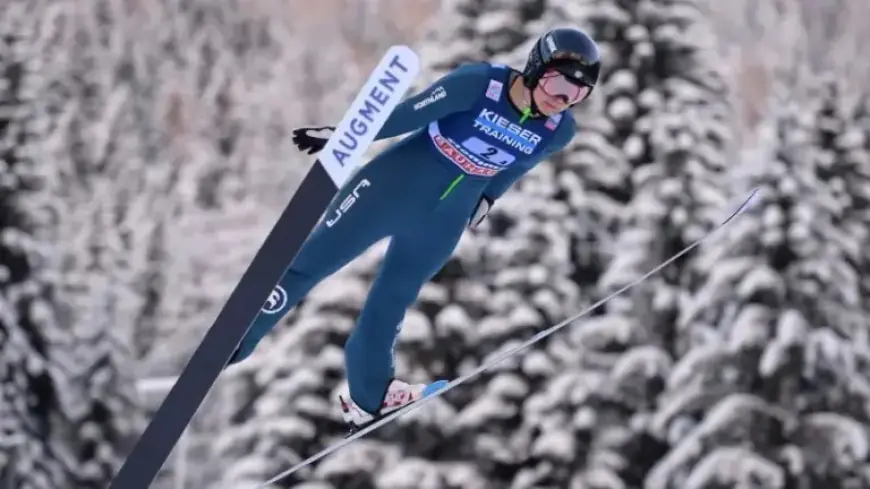
With the 2026 Winter Olympics in Milan-Cortina approaching, the spotlight is on Nordic combined, a unique sport blending cross-country skiing and ski jumping. This event, part of the original Winter Olympics since 1924 in Chamonix, France, remains the only winter competition that does not permit female athletes.
Continued Exclusion of Women in Nordic Combined
As of now, male athlete Niklas Malacinski is set to represent Team USA in these Games, while his sister, Annika, ranked 10th globally, is not eligible to compete due to the ongoing exclusion of women from this sport. This discrepancy contradicts the International Olympic Committee’s (IOC) commitment to promoting gender equality, especially following the landmark 2024 Paris Games, which boasted a 50/50 split between male and female competitors.
Declining Participation in Men’s Events
The male representation in Nordic combined has dwindled, with only 36 athletes slated to compete in 2026, a sharp decline from 55 in Beijing 2022. Historically, dominance in this event has been monopolized by athletes from Germany, Austria, and Finland, raising concerns about the sport’s viability. In fact, the IOC is contemplating the future of Nordic combined, with potential elimination on the horizon.
How Women’s Inclusion Could Revive Nordic Combined
Despite the challenges, interest in women’s Nordic combined is growing. The International Ski and Snowboard Federation initiated a women’s World Cup in 2020, and participation has already surpassed 200 athletes. Notably, the current top ten ranks feature competitors from seven different nations, highlighting the sport’s expanding appeal.
- Year Founded: 1924 (Chamonix, France)
- Initial Men’s Entries: 55 athletes
- Upcoming Men’s Entries: 36 athletes
- Women’s World Cup Launch: 2020
- Women’s Participation: Over 200 athletes
The Shared Aspirations of the Malacinski Siblings
Despite differing paths, both Annika and Niklas Malacinski are advocates for the sport’s survival. Annika’s activism stems from her disappointment regarding the lack of women’s inclusion. She emphasizes the need for visibility and support for Nordic combined while urging fans to rally around both male and female athletes.
“This is about more than just our individual aspirations. It’s about the future of a sport we both love,” says Niklas. His recent success included securing one of two Olympic spots for American competitors in 2026, while Annika continues to campaign for equal opportunities.
As the Games approach, the conversation around women’s inclusion in Nordic combined intensifies. Their participation could not only enhance the sport’s diversity but also bolster its competitive landscape, paving the way for a more equitable future in the Winter Olympics.