

























Majority Accepts AI Job Integration, But Draws Line at Certain Roles

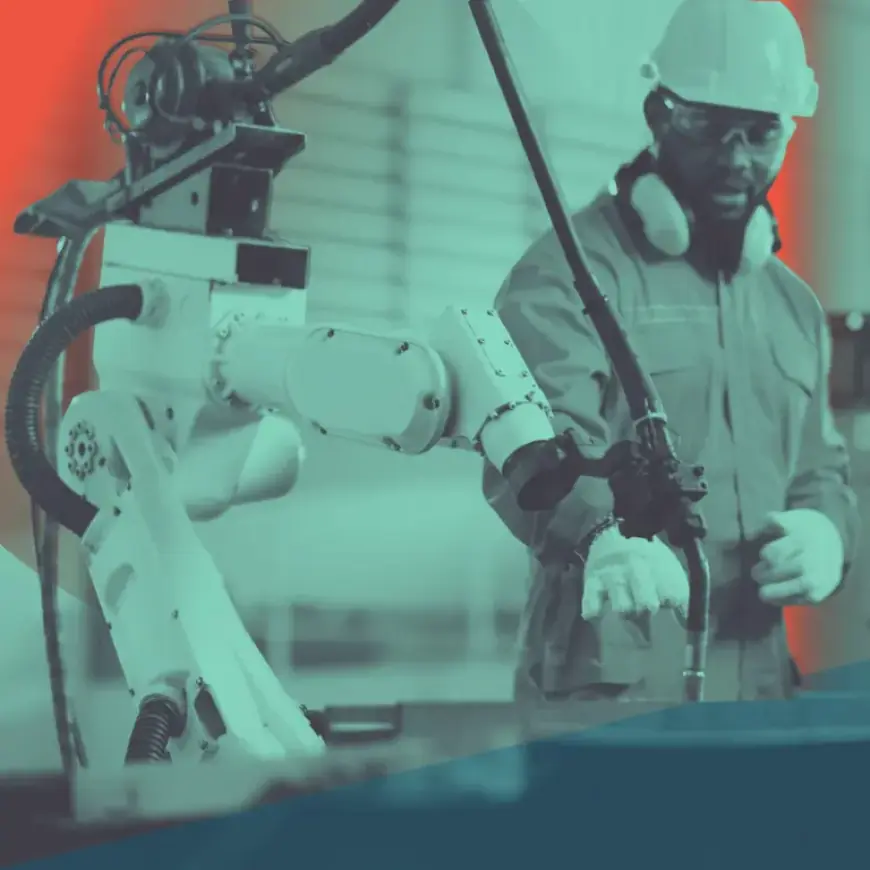
Public opinion is shifting regarding the integration of artificial intelligence (AI) into the workplace. A recent survey reveals that many individuals are open to automating a substantial portion of jobs, contingent on AI performing tasks more effectively, swiftly, and economically. However, certain occupations are deemed untouchable, such as roles in childcare and clergy.
Survey Findings on AI Job Integration
According to a study of 2,357 participants covering about 940 professions, around 30% of jobs are currently supported for automation with existing AI capabilities. When envisioning advancements in AI that could outperform humans at lower costs, support increased dramatically to 58% for job automation.
Research Insights
James Riley, Assistant Professor at Harvard Business School and lead researcher of the survey, notes that apprehensions surrounding automation mainly arise from worries about the technology’s feasibility rather than moral objections. “Resistance to automation stems less from ethical concerns and more from doubts about the technology itself,” Riley explains.
Despite support for AI, respondents expressed ambivalence toward automating a significant number of roles. Some jobs, including those requiring a personal touch or emotional intelligence, faced strong ethical objections. “Employees and customers may resist automation in certain tasks,” Riley cautions. Businesses must balance efficiency with personal engagement to maintain trust.
The Value of Human Touch
The survey indicates a preference for using AI as a supplementary tool rather than a complete replacement for human labor. While 94% of participants favored AI to enhance productivity, this support climbed to almost 96% when considering a more advanced version of AI.
Roles Best Suited for Humans
The survey highlights that 42% of professions are viewed with skepticism regarding automation. Respondents showed moral reluctance to automate approximately 12% of roles, including funeral directors, athletes, and artists. Riley emphasizes the importance of a reflective dialogue about social and moral boundaries regarding job automation.
Recommendations for Businesses
As organizations navigate AI integration, certain guidelines should be considered:
- Focus on Performance: Companies should prioritize areas for AI adoption where moral concerns are minimal and applicability is clear.
- Incorporate Organizational Factors: Long-term strategies should consider social implications and employee retention alongside technological effectiveness.
- Maintain Transparency: Businesses must be open about how they incorporate AI to build trust with stakeholders.
- Be Aware of Customer Sentiments: Understanding that some customers may not accept automation in specific roles is crucial for brand integrity.
Ultimately, organizations must thoughtfully assess the intersection of technology and humanity. As AI continues to evolve, maintaining job relevance and consumer trust will be vital in determining how and where AI can best serve the workforce.