
























Key Insights from the Republican ICE Hearing – The Washington Post

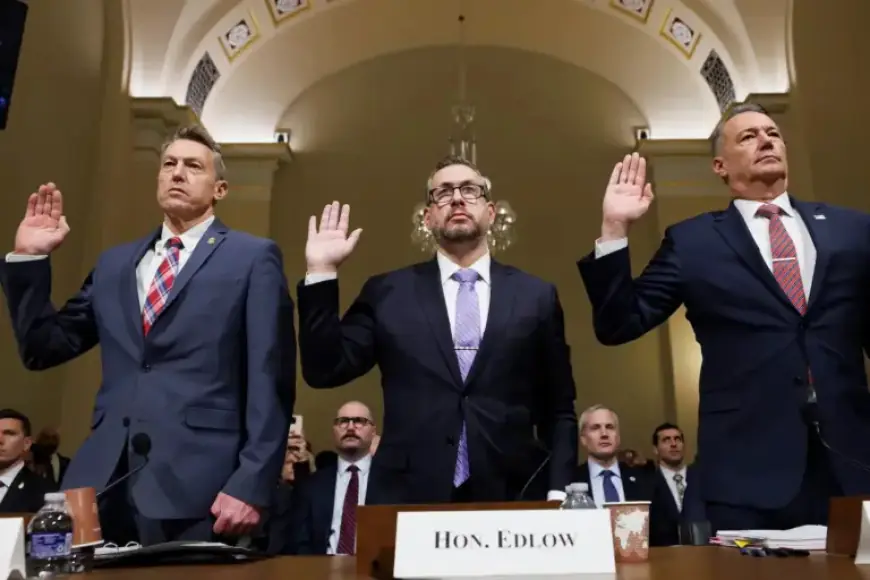
The recent Republican-led hearing on Immigration and Customs Enforcement (ICE) has sparked significant discussion. The proceedings highlighted diverse viewpoints regarding ICE’s operations and its impact on communities.
Key Insights from the Republican ICE Hearing
During the hearing, several crucial points emerged that reflect the complex relationship between immigration enforcement and public safety. Here are the main takeaways:
1. Accountability for Labeling Victims
One of the most controversial moments involved ICE Chief addressing the labeling of victims as terrorists in the aftermath of a Minneapolis shooting. He refused to apologize for this terminology, which has drawn widespread criticism from various advocacy groups.
2. Political Tensions in Focus
- The hearing revealed significant political divides, particularly between Republican and Democratic lawmakers.
- Republicans expressed support for stringent immigration enforcement, while Democrats questioned the ethics and ramifications of such policies.
3. Concerns About Public Safety
Lawmakers raised alarms about public safety and community trust in law enforcement. Many witnesses highlighted how the actions of ICE can undermine public cooperation in crime reporting, particularly among immigrant communities.
4. Implications for Future Policies
The hearing may influence future immigration policies, potentially leading to stricter regulations and oversight of ICE’s operations. This could have a lasting impact on how immigrant communities interact with law enforcement.
5. Calls for Comprehensive Immigration Reform
Several attendees at the hearing underscored the need for holistic immigration reform. They argued that a comprehensive approach is essential for resolving underlying issues rather than relying solely on enforcement tactics.
In conclusion, the hearing showcased the ongoing debate over immigration enforcement and highlighted the pressing need for dialogue on balancing safety and community trust. These discussions will likely shape the trajectory of U.S. immigration policy.