






















Governors Cancel Meeting as Trump Invites Only Republicans to White House

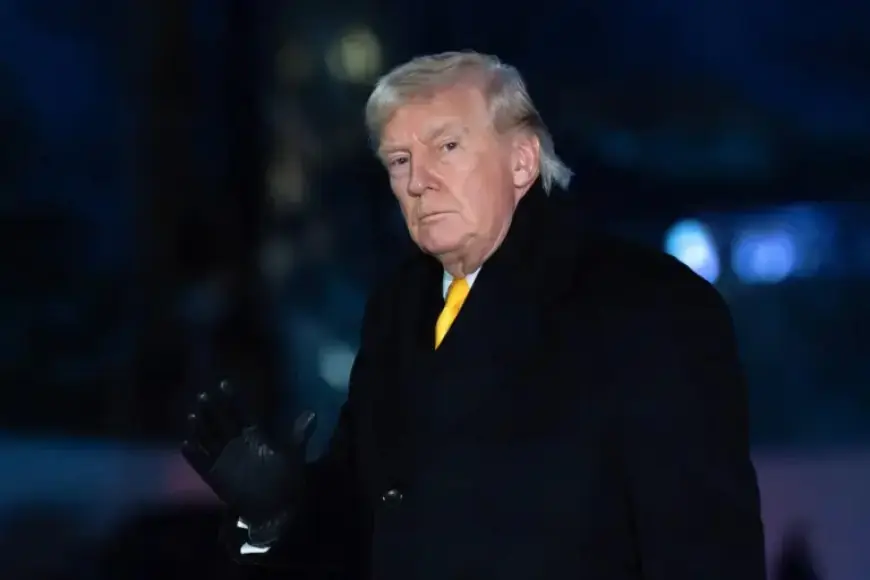
Recent developments surrounding the annual meeting of the National Governors Association (NGA) highlight rising partisan tensions in U.S. politics. President Donald Trump has reportedly invited only Republican governors to a key event, prompting 18 Democratic governors to withdraw from a traditional White House dinner and for the NGA to cancel its formal meeting with Trump.
Background of the Annual Governors Meeting
The NGA meeting, scheduled for February 19-21, is traditionally a bipartisan event that allows governors from all states to collaborate on pressing issues. However, this year’s planned dinner at the White House has sparked controversy after it was revealed that only Republican governors would be invited.
Democratic Governors’ Response
- 18 Democratic governors have announced their boycott of the White House dinner.
- In a collective statement, they emphasized their commitment to fighting for their constituents.
The Democratic governors stated, “If the reports are true that not all governors are invited to these events, we will not be attending this year.” Their decision emphasizes unity against what they perceive as a politically motivated exclusion.
Trump’s Stance and Rationale
White House press secretary Karoline Leavitt defended Trump’s decision, asserting that the president has the discretion to invite whoever he chooses. She highlighted, “It’s the people’s house,” underscoring the president’s right to host the events as he sees fit.
NGA’s Official Position
Oklahoma Governor Kevin Stitt, who chairs the NGA, informed fellow governors in a letter that the organization could no longer support an event that excluded certain members. Stitt stated that the NGA’s mission is to represent all 55 governors and that a partisan approach does not align with that mission.
Historical Context and Future Implications
The friction at last year’s meeting foreshadowed this year’s growing divide. Tensions escalated between Trump and Maine Governor Janet Mills over contentious policy issues, including transgender athletes’ participation in sports, marking a notable deterioration in inter-party relations.
As the NGA evolves amid these political changes, the absence of tradition-rich, bipartisan dialogues raises questions about future cooperation among governors. The current situation illustrates significant shifts in the political landscape, spotlighting the challenges that come with an increasingly partisan environment.