















Will Another Hall of Fame Starting Pitcher Follow Kershaw, Verlander, Scherzer?

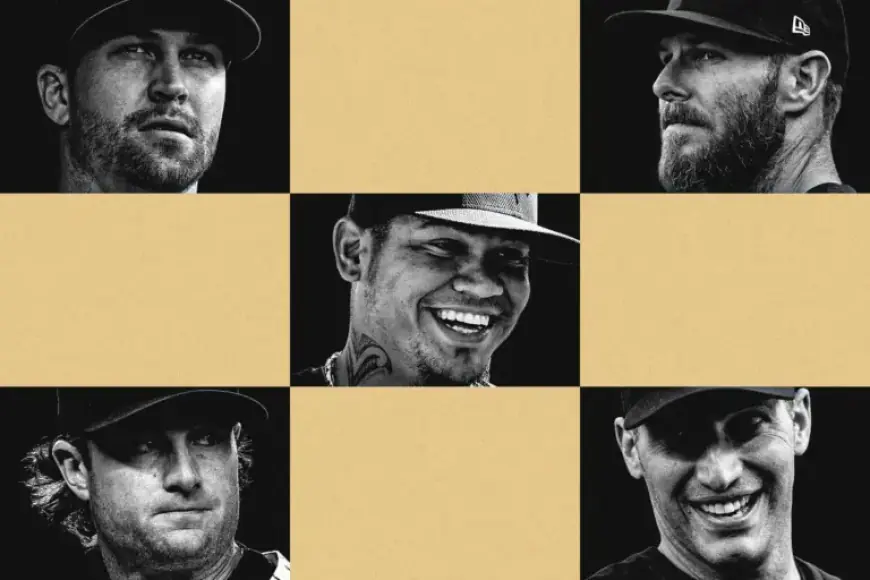
The landscape of baseball is evolving rapidly, particularly concerning Hall of Fame starting pitchers. As the game changes, are we witnessing a shift in what defines a Hall of Fame career? The recent wave of discussion centers around whether another iconic pitcher will emerge, following in the footsteps of legends like Clayton Kershaw, Justin Verlander, and Max Scherzer. This question has become increasingly relevant in light of recent Hall of Fame elections and emerging player statistics.
Past Requisites for a Hall of Fame Pitcher
Traditionally, the benchmark for Hall of Fame pitchers was strikingly high. Before 1946, the first five inductees—Walter Johnson, Christy Mathewson, Cy Young, Grover Cleveland Alexander, and Old Hoss Radbourn—averaged around 397 career wins. Winning games was essential. However, the meaning and significance of wins are being reassessed today.
Current Trends in Starting Pitching
As baseball progresses, a new metric appears to be taking precedence over traditional wins. The recent Hall of Fame election featured notable candidates, including Félix Hernández, who garnered 46% of the vote despite a relatively modest 169 career wins. This scenario raises questions about how future generations will view pitching accomplishments.
Potential Future Hall of Famers
- Clayton Kershaw: Set to debut on the Hall of Fame ballot in 2031, he is widely considered a lock for induction due to a stellar career.
- Justin Verlander: With over 266 wins, he continues to be a force, although he is still chasing historical records.
- Max Scherzer: Another dominant pitcher whose future induction rests on continued performance.
- Jacob deGrom: With only 96 wins, he represents the potential shift in Hall of Fame qualifications, despite being a two-time Cy Young Award winner.
Debating the Significance of Wins
As the concept of the win loses its previous prominence, figures like Tom Glavine voice their concerns. Glavine, a 305-game winner, admits that it’s challenging to foresee what the next generation of Hall of Fame pitchers will look like. The game is shifting to metrics that evaluate pitchers based on ERA, WHIP, and other advanced statistics rather than just wins.
Emerging Candidates to Consider
- Félix Hernández: His rise on the ballot signifies a potential redefinition of Hall standards.
- CC Sabathia: With a career win count of 251, he exemplifies the old-school metrics.
- Gerrit Cole: At 153 wins and with a solid winning percentage, his durability and performance put him on the radar.
- Chris Sale: With a significant strikeout rate, he may challenge the traditional win metrics.
- Zack Wheeler: With 113 wins, he stands out in recent seasons despite not meeting traditional benchmarks.
Conclusion
The debate surrounding what constitutes a Hall of Fame-worthy starting pitcher is gaining momentum. Will future generations recognize new standards that emphasize efficiency and strikeout ability over wins? As we move deeper into this evolving landscape, the ongoing saga of pitchers like Kershaw, Verlander, and Scherzer will shape Hall of Fame narratives for years to come. The future might see a diverse array of players inducted, changing the way we perceive greatness in the realm of baseball.