























Curling Captivates as the Winter Olympics’ Top Attraction

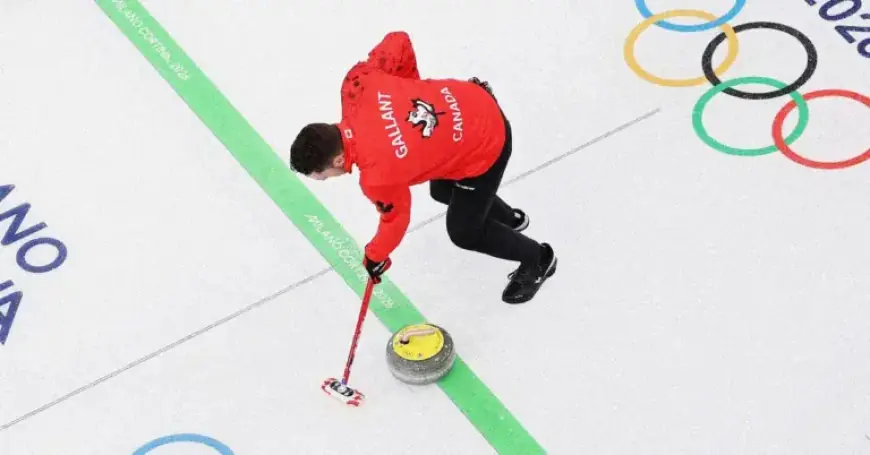
Every four years, the Winter Olympics introduces curling as a captivating spectacle for viewers around the globe. With the 2026 Winter Olympics set to kick off in Italy, fans are already drawn to the sport’s blend of strategy and skill. It’s a unique experience that transcends traditional winter sports.
Curling: A Brief History
The first recorded mention of curling traces back to 1540 in Paisley, Scotland. Notary John McQuhin documented a challenge match between John Sclater, a monk, and Gavin Hamilton, a representative of the abbey. Although it remains unclear who emerged victorious, the contest showcased the enjoyment of sliding stones on ice.
- The term “curling” was first used in 1620 by poet Henry Adamson.
- The Kilsyth Curling Club, formed in 1716, stands as the world’s first official curling club.
- In 1838, the Royal Caledonian Curling Club established formal rules for the sport.
Evolution of the Game
Historically, curling stones were unrefined boulders, often with improvised designs. Players relied more on luck than skill due to the lack of standardized sizes and shapes. However, modernization has brought detailed regulations regarding stone specifications and gameplay.
Today, the team captain, known as the skip, directs players in executing precise throws and sweeping techniques. This role is crucial in determining the stone’s speed and trajectory as it glides across the ice.
The Global Spread of Curling
Curling’s popularity expanded beyond Scotland thanks to immigrants, particularly in North America and Canada. It has developed into a cherished sport with a substantial following. The sport made its Olympic debut as a demonstration event at the 1924 Winter Games in Chamonix, France. It became an official Olympic event in 1998 in Nagano, Japan.
Notable Competitors
Curling has witnessed strong performances from teams in Scotland, Sweden, Switzerland, and Norway during Olympic competitions. These countries have set high standards, contributing to the sport’s prestige on an international stage.
Impact on Popular Culture
The emergence of 24-hour media coverage in the early 2000s contributed to curling’s rise in popular culture. Fans could now watch matches at their convenience, resulting in a growing fanbase. Curling has even appeared in entertainment, including a comical portrayal in The Beatles’ 1965 film, Help!, and a scene in the 1969 James Bond film, On Her Majesty’s Secret Service.
A Look Ahead to the 2026 Winter Olympics
As the 2026 Winter Olympics approach, all eyes will be on curling. With extensive media coverage promised, enthusiasts are eager to witness every throw and sweep. The fascination with curling continues to captivate new audiences, ensuring its status as a top attraction at the Winter Olympics.