

























SpaceX Shifts Focus to Moon Over Mars, Says Musk

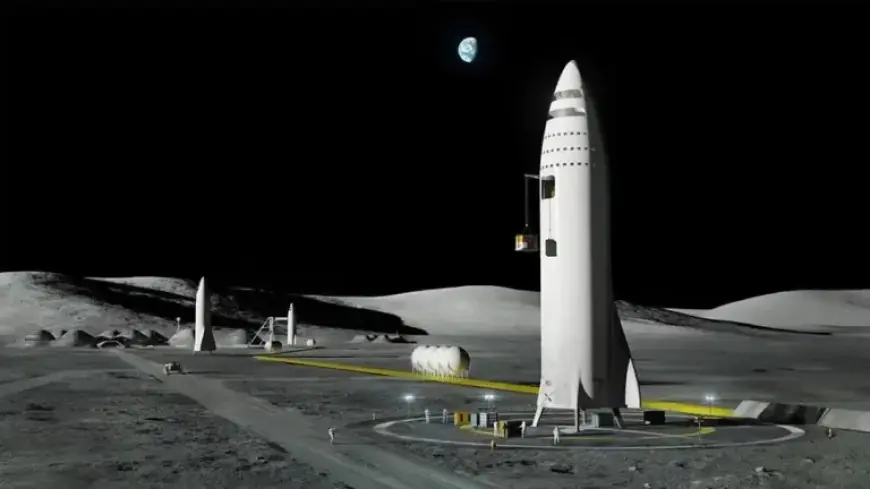
Elon Musk has announced a significant shift in SpaceX’s exploration priorities. Instead of focusing on Mars, the company will now concentrate on establishing a lunar settlement. This decision, revealed on February 8, 2023, marks a notable change from his previous dismissive stance on lunar exploration.
SpaceX’s Lunar Focus
Musk indicated that SpaceX aims to create a “self-growing city” on the Moon. He believes that achieving this ambitious goal could take less than ten years, while a manned mission to Mars could require over 20 years. This transition reflects a strategic decision to accelerate lunar development over Martian exploration.
Details on Lunar Settlement Plans
The specifics of the lunar settlement remain vague. However, Musk’s comments on social media suggest that focusing on the Moon offers quicker progress. He explained that lunar missions can occur every ten days, allowing for more frequent launches compared to Mars missions, which are limited to every 26 months due to orbital alignment.
- Lunar missions: Launch frequency every 10 days.
- Martian missions: Launch windows open every 26 months.
- Travel time to the Moon: Approximately 2 days.
- Travel time to Mars: Approximately 6 months.
Future Mars Missions
Despite the lunar pivot, Musk still has aspirations for Mars. He envisions a plan where SpaceX will begin establishing a “Mars city” in five to seven years. Musk noted that the long-term goal is still to secure a self-sustaining civilization on Mars, but it will follow lunar development.
In a presentation last May, Musk highlighted the interdependence of SpaceX’s goals, stating that many Starship launches would be required to establish a human presence on Mars. He estimated that achieving Mars ambitions would involve launching between one thousand and two thousand ships per mission window.
Technical Challenges Ahead
While ambitions are high, significant technical hurdles remain. SpaceX has not yet demonstrated in-space refueling, an essential capability for both lunar and Martian missions. Critics in the industry have expressed skepticism about SpaceX’s readiness for Mars missions in the near future.
Shifting Public Interests
Musk’s interest in lunar missions has fluctuated over the years. He previously considered the Moon a “distraction” while advocating for Mars exploration. However, he has now recognized the potential to engage the public with lunar aspirations. The call for a lunar base is rooted in the belief that it will inspire interest and investment.
In summary, SpaceX’s shift towards focusing on lunar settlement instead of Mars reflects a strategic re-prioritization by Elon Musk. The ambition to develop a self-sustaining city on the Moon could pave the way for future Mars explorations, albeit at a later stage.