
























Seahawks’ Victory Highlights Winning Strategies in Today’s NFL

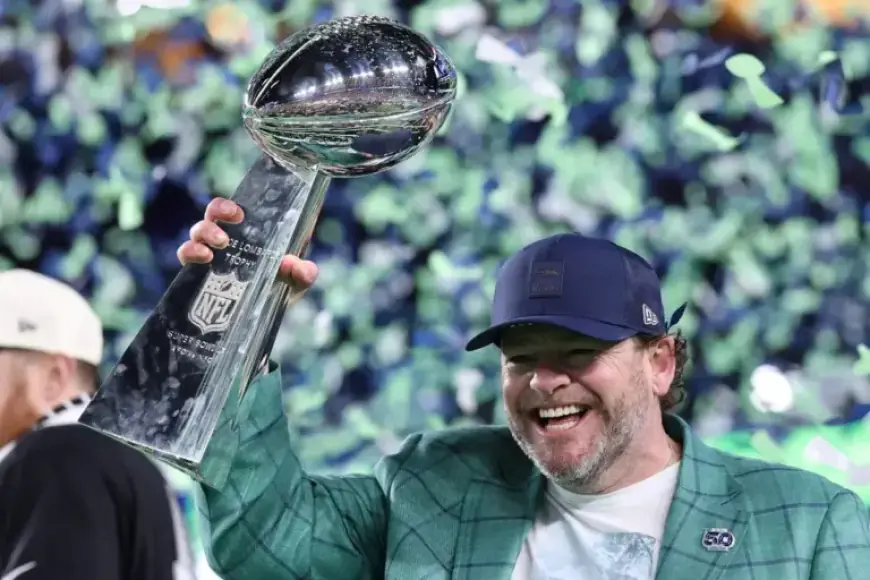
The Seattle Seahawks recently celebrated a significant Super Bowl victory over the New England Patriots, showcasing a shift in the NFL towards proactive general managers. Under the guidance of John Schneider, the Seahawks have adapted winning strategies that reflect the evolving landscape of the league.
Seahawks’ Winning Strategies in Today’s NFL
John Schneider, the Seahawks’ general manager, has been pivotal in reshaping the team’s identity. His approach contrasts traditional roles, emphasizing quick adjustments and aggressive trades to enhance the roster. This strategy was a key factor in the Seahawks’ championship triumph, marking Schneider’s second Super Bowl win with different coaching staff and players.
Changing Dynamics of NFL General Managers
Historically, NFL teams were dominated by coaches who had the final say in player selections. Figures like George Halas and Paul Brown exemplified this relationship. However, the role of the general manager has evolved, with Schneider and Howie Roseman of the Philadelphia Eagles at the forefront of this transformation. Today’s GMs are not only responsible for roster management but also for making bold moves that can significantly impact the team’s future.
- Schneider traded Russell Wilson just 19 months after selecting him as a top-tier quarterback.
- He replaced veteran coach Pete Carroll with the NFL’s youngest head coach, Mike Macdonald.
- Strategically, Schneider’s draft picks, such as cornerback Devon Witherspoon and offensive player Jaxon Smith-Njigba, have bolstered the team.
Impact of Strategic Moves
Schneider’s philosophy of leveraging trades and being forward-thinking has yielded impressive results. By trading Wilson, he secured a top-five pick, which he used to select Witherspoon, a standout performer who played a crucial role in the Super Bowl victory. Additionally, in-season trades for players like Leonard Williams solidified the team’s defense, a hallmark of Macdonald’s coaching approach.
Schneider’s vision and willingness to innovate have distinguished him, but he is not alone in this trend. Roseman, managing the Eagles, similarly positions himself to maximize talent while adapting to the constraints of a high-cost quarterback in Jalen Hurts.
Future Implications for NFL Teams
The successes of Schneider and Roseman underline the importance of flexible strategies in building competitive teams. With increasing cash flow league-wide, GMs now have unprecedented opportunities to reshape their rosters. The current environment demands that they assess player movements proactively and embrace change without hesitation.
The Seahawks and Eagles exemplify how adaptive management can lead to championship successes. As Schneider continues to break the mold and redefine the role of the general manager, it will be intriguing to see how these trends influence the future of the NFL.