

























Conduent’s Cybersecurity Crisis: Data Breach Impact Exceeds Initial Reports

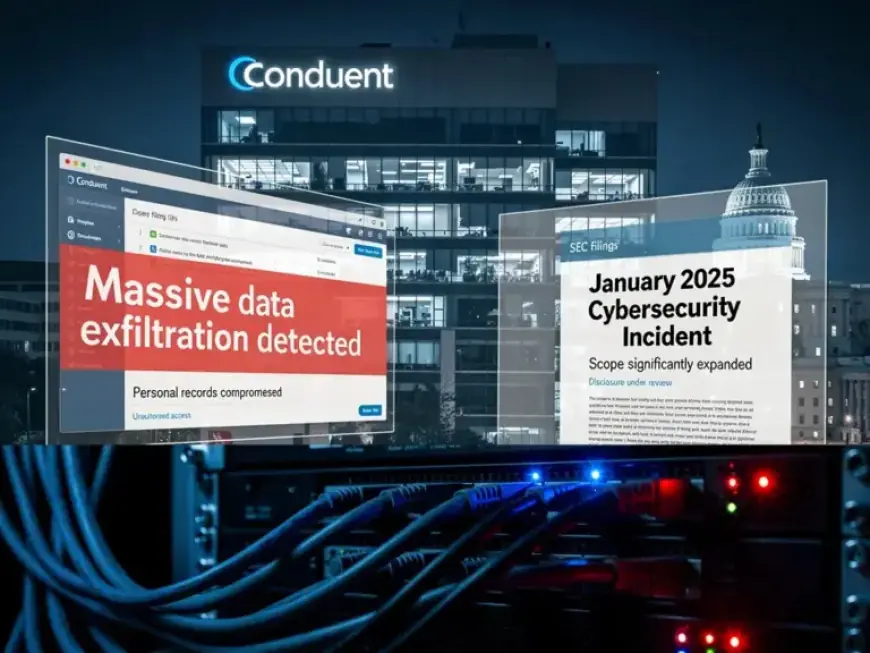
The cybersecurity incident involving Conduent, a prominent provider of business process services, has developed into a significant data breach, far exceeding initial assessments. First acknowledged in January 2025, the company initially described the event as a contained operational disruption. However, new regulatory filings reveal a concerning picture of extensive data exfiltration affecting numerous clients and potentially compromising the personal information of many individuals.
Impact of Conduent’s Cybersecurity Crisis
| Key Facts | Details |
|---|---|
| Company Name | Conduent |
| Headquarters | Florham Park, New Jersey |
| Annual Revenue | $3.8 billion |
| Initial Acknowledgment | January 2025 |
| Type of Incident | Cybersecurity breach |
As a company with a vast reach, providing technology-driven solutions to government agencies, healthcare organizations, and large enterprises, Conduent’s services impact millions of people daily. This extensive footprint made the organization a prime target for cybercriminals.
Transition from Disruption to Data Breach
Initially, Conduent characterized the incident as a minor operational disruption. They reported service interruptions affecting certain clients and caused delays in government-related payments. The focus was to restore operations quickly, with little emphasis on data compromise.
However, several months later, the U.S. Securities and Exchange Commission (SEC) filings revealed that attackers had extracted a significant number of personal records, including names and Social Security numbers, from their systems. This highlighted the serious nature of the breach, raising concerns about personal privacy and data protection.
A Shifting Narrative and Its Consequences
The gap between the company’s previous statements and the emerging reality has led to scrutiny from both cybersecurity analysts and investors. Conduent anticipates facing substantial costs related to the breach, including legal fees and potential regulatory penalties. The scope of the data involved, which includes sensitive personal information for government and commercial contracts, exacerbates the situation.
The Ripple Effect on State Governments
The impact of this breach was also felt at the state level, as agencies reported payment delays due to disruptions in Conduent’s systems. For example, Wisconsin’s Department of Children and Families and Oklahoma’s Human Services Department experienced significant service delays, exposing the heavy reliance on private contractors for essential public services.
- In Wisconsin, family payments experienced disruptions.
- Oklahoma acknowledged similar processing delays.
The fallout has led some state officials to review their contracts with Conduent, questioning the wisdom of outsourcing critical government functions to private entities, especially those with a history of cybersecurity issues.
Investor and Public Concerns
The evolving narrative around the breach has unsettled investors. Conduent’s stock has faced additional challenges as the realization of the breach’s extent became evident. Cybersecurity incidents have both direct and indirect costs, including legal fees and reputational damage.
Conduent’s approach to disclosing information has raised governance concerns. New SEC regulations now require public companies to promptly disclose material cybersecurity incidents, and delays in assessing the breach’s severity have sparked discussions about the company’s transparency.
Addressing the Human Cost
The impact of the breach is not merely financial; it affects real individuals whose sensitive information is now vulnerable. Conduent has committed to offering credit monitoring services to those affected, but experts advise that this is insufficient. Proactive identity theft protection and dedicated support for victims are necessary elements of an effective response.
Looking Ahead
Conduent faces a considerable challenge in addressing this crisis. It must complete its investigation, notify those affected, navigate potential lawsuits, and restore trust among clients and government partners. The breach serves as a stark reminder of the vulnerabilities in cybersecurity for organizations handling sensitive data.
For the technology services industry, this incident underscores the necessity for robust cybersecurity measures. Investing in security infrastructure and maintaining transparent communication with stakeholders is crucial. The cost of preventative measures can be small compared to the potential fallout of a significant data breach.
As additional details emerge, it is evident that the initial assurances of containment were either premature or misleading. In an era where cyber threats are escalating, stakeholders—investors, regulators, clients, and the public—expect greater transparency and accountability.