
























Public Unites in Criticism of 2026 Super Bowl Halftime Show

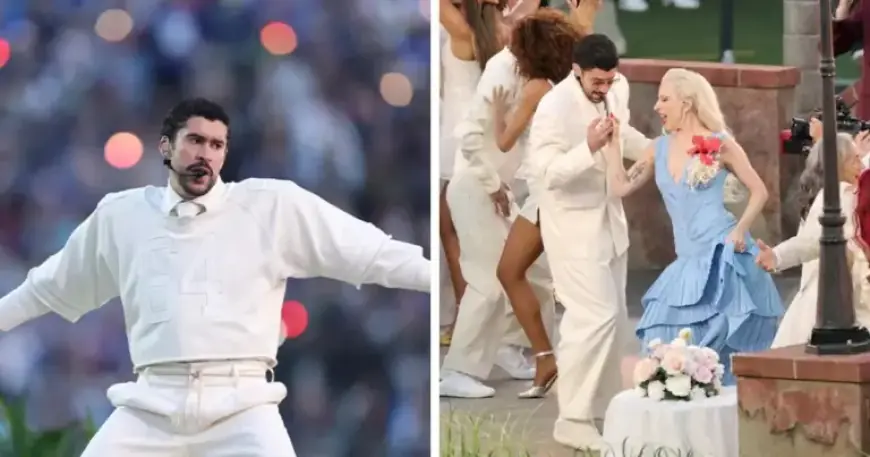
The Super Bowl LX Halftime Show on February 8, 2026, featuring Bad Bunny, ignited widespread criticism and praise. Held at Levi’s Stadium in Santa Clara, California, the performance showcased a unique blend of culture and music, leading to a divided public response.
Overview of Bad Bunny’s Performance
Bad Bunny, the Puerto Rican superstar, delivered a predominantly Spanish-language set, marking the first-ever Super Bowl halftime show primarily conducted in Spanish. The vibrant performance included numerous dance-heavy numbers along with notable guest appearances.
Star-Studded Lineup
Throughout the show, Bad Bunny welcomed a remarkable lineup of celebrities, including:
- Lady Gaga
- Ricky Martin
- Cardi B
- Pedro Pascal
- Jessica Alba
- Karol G
One of the highlights was an onstage wedding scene, which transformed into a lively dance reception featuring Lady Gaga’s surprise performance.
Public Reaction and Controversy
The response to the halftime show was sharply divided. Supporters hailed the production’s diversity and cultural significance. In contrast, critics expressed feelings of alienation due to the lack of English lyrics.
- Many viewers praised the energy of the show.
- Others labeled it confusing and unsuitable for an American audience.
- Social media buzzed with complaints about the performance being almost entirely in Spanish.
Cultural Impact and NFL Strategy
Bad Bunny’s selection for the Super Bowl was part of an NFL initiative, in collaboration with Roc Nation, to attract diverse audiences. NFL Commissioner Roger Goodell emphasized the intention behind selecting artists to diversify the halftime show experience.
Despite the backlash, defenders of the performance highlighted Bad Bunny’s cultural representation. Many argued that showcasing Latin culture brought a much-needed freshness to the Super Bowl’s entertainment.
Conclusion
The Super Bowl 2026 halftime show was not just a performance but a significant cultural event. It raised important discussions about language, representation, and the evolving landscape of mainstream American entertainment.
The event marked a milestone for diversity in pop culture, as it continues to challenge the conventions of traditional American sporting events.