























Why Jose Alvarado fits the Knicks’ identity—ball pressure, steals, tempo—and how he changes the second unit’s ceiling (Analysis)

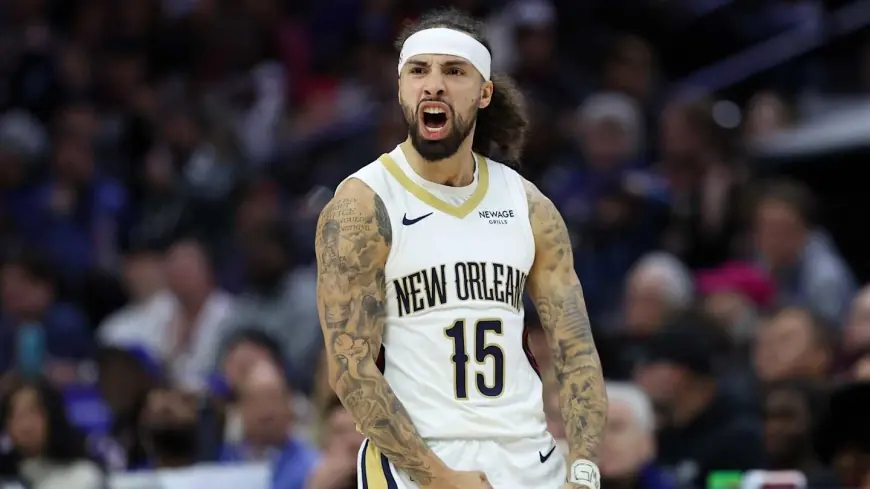
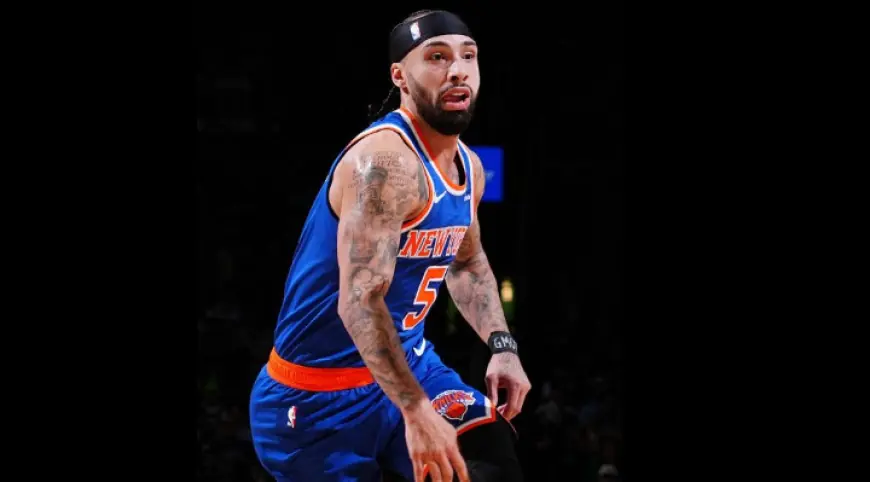
Jose Alvarado’s first game in a Knicks uniform offered an immediate snapshot of the appeal: he picked up full court, jumped a passing lane for a clean steal, pushed the ball the other way, and jolted a group that’s built its best stretches on effort and tempo. New York acquired Alvarado on Thursday, February 5, 2026, and his debut Sunday in a 111–89 win over Boston quickly turned the conversation from “depth move” to “rotation lever.”
The question now isn’t whether Alvarado can help—it’s how his specific brand of chaos fits a Knicks team that wants to defend, run, and win the possession battle without burning out its starters.
Ball pressure is the Knicks’ favorite kind of defense
The Knicks’ best defensive possessions don’t just end with a miss—they end with discomfort. Alvarado specializes in manufacturing that discomfort at the point of attack. He’s small by NBA standards, but he plays big with body angle, hands, and timing. His trademark isn’t gambling; it’s harassing—turning routine bring-ups into clock drains and forcing ball-handlers into uncomfortable pickups.
That matters for a Knicks roster with plus defenders on the wings. When the guard pressure forces a lateral pass or a delayed entry, the rest of the defense can load early: Mikal Bridges can sit on a driving lane, Josh Hart can stunt and recover, and the back line can stay set rather than scrambling. Alvarado doesn’t need to “lock up” a star to be valuable—he just needs to make the star start later.
Steals that create points, not just highlights
Alvarado’s steals are particularly valuable because they often arrive in live-ball situations, the kind that immediately become transition chances. The Knicks have been at their most efficient when their defense turns into easy offense—one or two “free” baskets per half that keep scoring from becoming a grind.
In his debut, Alvarado finished with 12 points and two steals in 25 minutes, and one takeaway against Jaylen Brown visibly lifted the bench’s energy. Those plays are momentum swings, but they’re also math: steals reduce the opponent’s shot attempts while boosting your own, and they often come with spacing advantages before the defense can match up.
Tempo: the bench has lacked a true accelerator
New York’s second unit has periodically struggled with pace. When the game slows, possessions can tilt toward tough pull-ups or late-clock bailouts, especially when Jalen Brunson sits. Alvarado changes that rhythm by default: he pushes after makes and misses, and he’s comfortable initiating before the defense is organized.
That doesn’t mean the Knicks become a track team. It means they get optionality—more early actions, more “first good shot” opportunities, and fewer possessions that begin at 14 seconds after walking it up. Over time, that can show up as fewer scoring droughts when the starters rest.
The Miles McBride injury opened the lane
The timing also matters. With Miles McBride sidelined until the playoffs after surgery, the Knicks needed another guard who could defend up the floor and keep the second unit functional without sacrificing the team’s identity. Alvarado fits that problem cleanly because he’s a two-way utility guard: he can pressure the ball, survive in physical games, and still run offense competently.
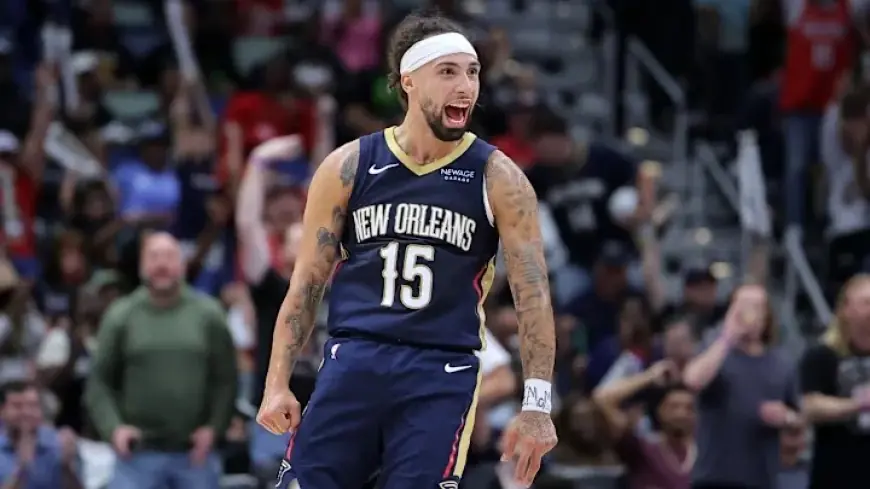
The trade cost—Dalen Terry plus two future second-round picks—signals New York saw this as a practical win-now rotation move rather than a long-term swing. It’s a bet that the marginal value of nightly guard pressure and competent organization is worth more than theoretical depth later.
How he raises the second unit’s ceiling
Alvarado’s impact is easiest to understand as a set of lineup “unlock” options. He gives the Knicks a bench engine that can defend without hiding, and he allows different pairings depending on matchup and game flow.
What changes when he’s in the mix
-
Brunson’s rest minutes get safer: the offense has a real organizer, not just a scorer trying to survive.
-
More forced turnovers, more runouts: the bench can win energy segments instead of merely holding serve.
-
Cleaner matchups for scorers: ball pressure disrupts the opponent’s initiation so New York can set its preferred coverages.
-
Closing flexibility: if the game turns into a possession-by-possession fight, Alvarado can be a situational closer for tempo and defense.
The limits: size, fouls, and the scouting report
There are real constraints. Opponents will try to punish his size with screening actions, post-ups, and cross-matches. He can also ride the line between disruptive and foul-prone; if officials tighten the whistle, his pressure style has to adjust.
And as teams scout him, they’ll be more prepared for the “surprise” steals. That’s fine—because even when he’s not stealing the ball, the pressure still costs the opponent time, spacing, and comfort.
The bottom line for New York
The Knicks have built a contender around physicality, effort, and two-way wings. Under head coach Mike Brown, adding a guard who turns defense into pace is a logical extension of that identity. Alvarado doesn’t need to be a star to matter; he just needs to win the messy minutes—those stretches where games tilt because one team’s bench can’t score, can’t get stops, or can’t handle pressure.
If he keeps doing what he did in his debut—hounding the ball, creating extra possessions, and pushing tempo—New York’s second unit stops being a question mark and starts becoming a weapon.
Sources consulted: Reuters, ESPN, NBA.com, Associated Press