

























Starmer Appears Uncertain, Struggling with Self-Perception

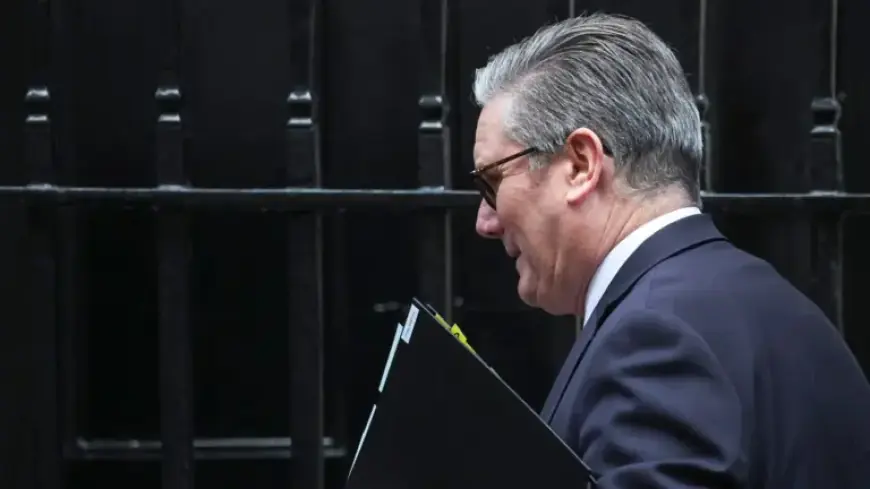
In recent political developments, Labour’s chief of staff, Morgan McSweeney, has resigned amid controversies surrounding the appointment of Peter Mandelson as the US ambassador. This decision has sparked dissent among members of the Labour Party, particularly among backbenchers who have criticized McSweeney’s role in the appointment.
McSweeney’s Role and Resignation
McSweeney, known for leading Labour to victory in the July 2024 elections, has long been associated with Mandelson, a key figure in New Labour’s rise. Their collaboration includes previous government reshuffles, indicating a longstanding political alliance. However, the recent backlash against the appointment has put McSweeney under intense scrutiny.
- Date of Resignation: Morgan McSweeney has officially resigned.
- Reason for Resignation: Controversy over the appointment of Peter Mandelson
- Key Statement: McSweeney accepted full responsibility for his advice to appoint Mandelson.
- Vetting Process Critique: He clarified that he did not oversee the vetting process, which failed to highlight Mandelson’s connections to Jeffrey Epstein.
Impacts of the Resignation
While McSweeney’s resignation may appease some disgruntled MPs, it raises questions about Prime Minister Keir Starmer’s leadership and decision-making capabilities. The absence of McSweeney, a pivotal figure in strategizing Labour’s direction, could leave Starmer more isolated in a challenging political landscape.
As Pat McFadden, a close ally of Starmer, noted, the responsibility of leadership ultimately falls on the Prime Minister himself. This incident highlights a broader issue of accountability within the party and reflects Starmer’s struggles with self-perception and decisiveness.
Broader Implications for the Labour Party
McSweeney’s departure signals potential instability within the Labour Party as it grapples with its identity and governance challenges. As the party navigates this tumultuous period, Starmer’s ability to reclaim control and address underlying issues will be crucial for maintaining party unity.