

























Gig Workers Urge Rahul Gandhi for Crucial Legislation in Delhi Meeting

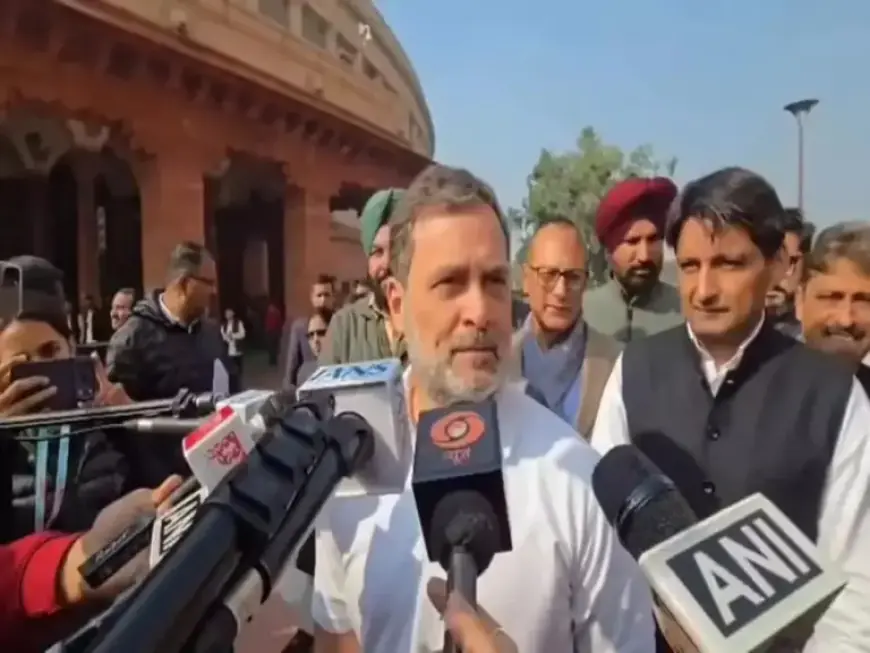
A group of transport and delivery gig workers recently met with Rahul Gandhi, the Leader of Opposition in the Lok Sabha. The meeting took place to address the urgent need for legislation and regulatory measures for gig workers from the central government and Congress-ruled states.
Legislation Urged for Gig Workers
Shaik Salauddin, the Founder President of the Telangana Gig and Platform Workers Union, conveyed the discussions from the half-hour meeting. He emphasized the delegation’s focus on the various challenges faced by gig workers today.
Key Issues Raised
- Workers detailed their struggles, highlighting unsustainable income and increased exploitation.
- Congress-ruled states have acted on election promises made to gig workers, according to Salauddin.
- The central government’s existing social security schemes do not replace the need for statutory protections.
The President praised the Karnataka government for its innovative legislation designed to support gig workers. He noted that Karnataka was the first state to create comprehensive laws in this area.
Nationwide Protests Scheduled
The meeting occurred ahead of a nationwide protest set for February 7, organized by app-based transport workers. This protest is supported by the Telangana Gig and Platform Workers Union and the Indian Federation of App-Based Transport Workers. Workers from leading platforms like Ola, Uber, Rapido, and Porter will participate.
Concerns Over Wage Regulations
- The unions accuse the Central and State Governments of failing to implement minimum base fares as per the Motor Vehicle Aggregator Guidelines, 2025.
- Aggregator companies are allegedly setting fares unilaterally, leading to poor earnings for workers.
- Protesters demand immediate regulatory action to alleviate their working conditions and incomes.
The calls for action reflect a growing concern among gig workers, underscoring the necessity for legislative change in the sector to ensure fair wages and protections.