




















Who is Zubayr al-Bakoush? What we know so far about the newly arrested Benghazi attack suspect and the charges announced Friday

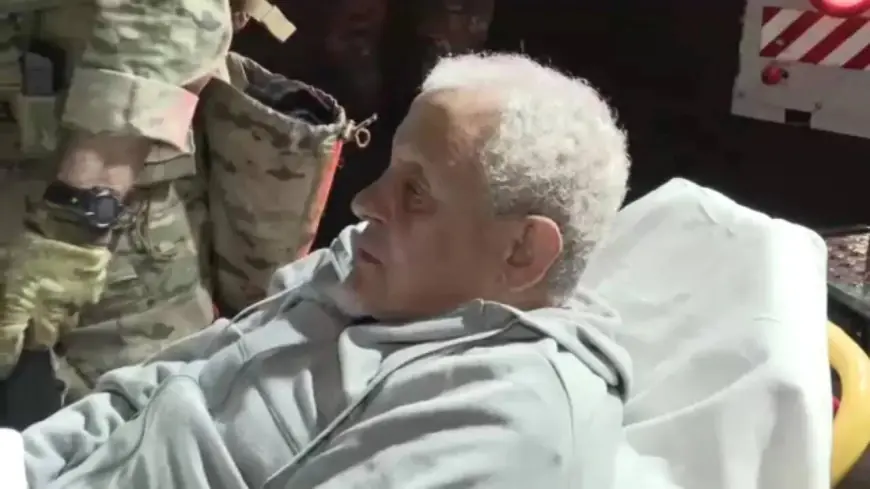
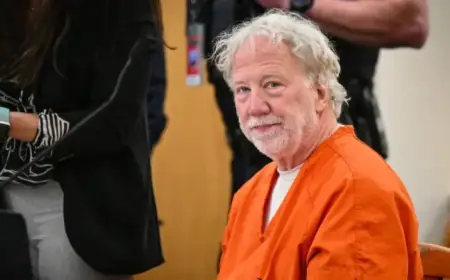
A Libyan man identified by U.S. authorities as a “key participant” in the 2012 Benghazi attacks is now in U.S. custody, reviving one of the longest-running terrorism prosecutions tied to the deaths of four Americans. The Justice Department announced Friday, Feb. 6, 2026, that Zubayr al-Bakoush was captured overseas, transferred to the United States overnight, and will be prosecuted in federal court in Washington, D.C.
Officials have not publicly detailed where al-Bakoush was arrested or the precise legal path used to bring him to the U.S., but they emphasized the case is part of a continuing effort to pursue suspects connected to the Benghazi assault more than 13 years ago.
What U.S. officials say al-Bakoush did in Benghazi
Federal prosecutors allege al-Bakoush participated in the Sept. 11, 2012 attacks on U.S. facilities in Benghazi, Libya, during a nightlong assault that U.S. officials describe as a coordinated extremist operation. The attack began at the U.S. diplomatic compound and later involved a nearby annex.
Four Americans were killed: U.S. Ambassador Chris Stevens, State Department employee Sean Smith, and two security officers, Tyrone Woods and Glen Doherty. U.S. officials say the assault included the use of fire and heavy weapons, and that al-Bakoush was part of the group responsible for the violence that led to those deaths.
Charges announced Friday: murder, attempted murder, arson, and terrorism counts
An eight-count federal indictment has been unsealed, and prosecutors say it includes murder charges and other terrorism-related offenses. The public description of the counts centers on deaths at the diplomatic compound and later fighting, plus an attempted murder allegation involving a U.S. government agent.
Charges described by prosecutors (high level)
| Category | What it covers (as described publicly) |
|---|---|
| Murder counts | Deaths of Stevens and Smith; additional death-related counts tied to the attack |
| Attempted murder | Attempted killing of a U.S. government agent during the assault |
| Arson | Fire-setting tied to the U.S. mission compound |
| Terrorism / conspiracy | Conspiracy and material-support style offenses tied to extremist activity resulting in death |
Court filings and arraignment proceedings should clarify the exact statutory counts, how each count is tied to specific actions, and what evidence prosecutors intend to present.
What’s known about him before the arrest
U.S. officials say the case against al-Bakoush dates back years. Prosecutors first charged him in 2015 under a sealed case, and the government has indicated that the filing remained under seal until this week’s arrest allowed it to be unsealed and moved into open court.
Authorities have also described al-Bakoush as tied to a Libyan extremist militia. Beyond that, publicly available details about his background—age, where he lived in recent years, and his specific role within any armed group—remain limited at this early stage.
What remains unclear: where he was captured and who helped
The Justice Department has confirmed al-Bakoush is in U.S. custody and said he arrived early Friday. Officials have not publicly identified:
-
the country where he was arrested
-
whether the transfer was an extradition or another legal mechanism
-
which foreign partners assisted, if any
-
whether U.S. forces, intelligence services, or local authorities executed the operation
Those gaps may narrow as the case proceeds, though some details could remain sealed if prosecutors argue disclosure would compromise sources, methods, or partner relationships.
How this fits into prior Benghazi prosecutions
Al-Bakoush is the third defendant to be brought to the United States for prosecution tied to Benghazi. Two other men have already been tried and convicted in U.S. courts in connection with the 2012 attack and are serving prison sentences. Another suspect named in past U.S. discussions was reported killed in a later airstrike.
That history matters because it signals prosecutors have already built a case structure around the Benghazi timeline, with witness accounts, forensic material, and other evidence tested in court before. It also means defense attorneys will likely examine how the government’s new allegations compare with evidence and testimony used in earlier trials.
What happens next in court
Al-Bakoush is expected to make an initial federal court appearance in Washington, D.C., where he will be advised of the charges and where detention will be addressed. Prosecutors typically seek pretrial detention in overseas terrorism cases, citing flight risk and danger to the community.
Early litigation often focuses on (1) the legality of the transfer to U.S. custody, (2) access to discovery and any classified material, and (3) challenges to witness reliability and evidence collection from a conflict zone. The judge will set a schedule for motions and next hearings, and the case could take months to reach a trial date.
Sources consulted: U.S. Department of Justice; Reuters; Associated Press; The Washington Post