
























Trump Urges New Treaty Amid End of Nuclear Arms Control Era

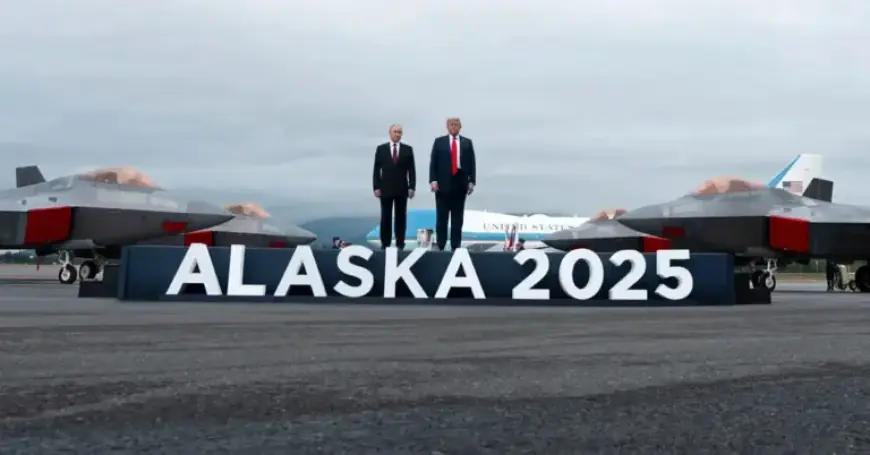
The longstanding nuclear arms control framework between the United States and Russia has come to an abrupt end. The expiration of the New START treaty marks the conclusion of over half a century of mutual agreements designed to limit nuclear arsenals. As geopolitical tensions rise, both nations are gearing up to develop new generations of nuclear weapons.
Shifts in Nuclear Policy
With the New START treaty no longer in effect, concerns about a renewed arms race have resurfaced. Both Russia and China are experimenting with advanced delivery systems for nuclear warheads, capabilities that were not considered just fifteen years ago when the treaty was ratified. The ongoing war in Ukraine has stalled discussions regarding a new treaty, prompting calls for a revised agreement.
Trump’s Call for a New Treaty
In response to the treaty’s expiration, President Trump has urged the need for a “new, improved and modernized” nuclear treaty. However, he overlooked Vladimir Putin’s suggestion to maintain current arsenals at existing levels temporarily. This development stirs fears about escalating nuclear capabilities on both sides.
International Reactions
European nations are contemplating the establishment of independent nuclear forces, moving away from reliance on the United States. Additionally, countries like Japan, South Korea, and Turkey are reassessing their nuclear strategies.
U.S. Nuclear Spending
The United States has allocated $87 billion towards its nuclear arsenal for this fiscal year. This significant investment includes modernizing warheads and replacing aging missiles and bombers with more advanced systems.
Conclusion
The expiration of the New START treaty signals a pivotal shift in nuclear arms control. With rising tensions and significant developments in nuclear capabilities, the call for a new treaty highlights the urgent need for renewed dialogue and cooperation between the world’s nuclear superpowers.