























Nintendo’s Virtual Boy: A Visual Delight, Play Experience Lags Behind

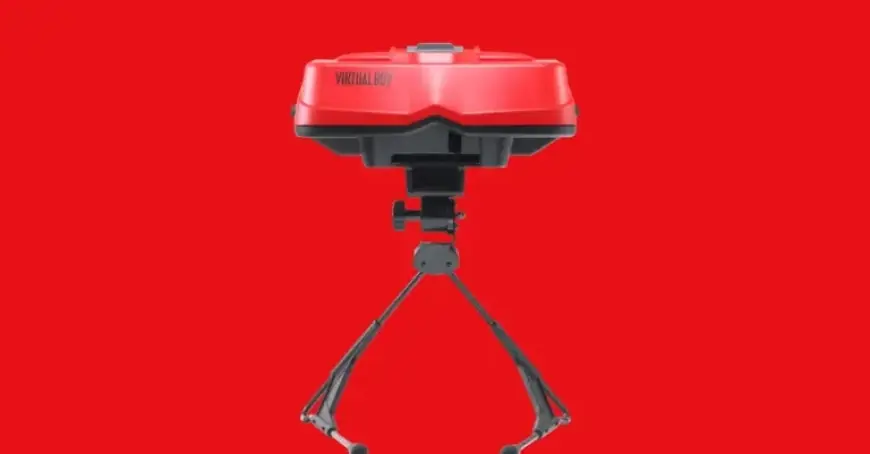
The Virtual Boy, once considered an infamous part of Nintendo’s history, continues to evoke interest among gaming enthusiasts despite its commercial failure. Original units are still valued at hundreds of dollars on various bidding platforms. Over the years, a dedicated fan base has kept the console alive through emulation and homebrew projects. Interestingly, Nintendo is now embracing its past by integrating the Virtual Boy’s legacy into contemporary gaming experiences.
Nintendo Switch and the Virtual Boy Legacy
Nintendo has transformed the concept of the Virtual Boy into a brand-new peripheral for the Nintendo Switch. Scheduled for release on February 17th, this $100 device will allow players to enjoy classic Virtual Boy games through the Nintendo Switch Online + Expansion Pack, which costs $50 per year for individuals and $80 for family plans.
- Release Date: February 17
- Peripheral Price: $100
- Subscription Costs: $50/year (individual), $80/year (family)
Game Library and Experience
Upon its launch, Nintendo plans to introduce 14 Virtual Boy titles, reviving memories from the console’s brief but memorable lifespan. Among these games, players can expect iconic titles like Galactic Pinball and Teleroboxer, as well as a new port of The Mansion of Innsmouth, previously exclusive to Japan.
While testing the new Virtual Boy peripheral, users have reported that the headset provides a surprisingly comfortable experience. The design allows for immersion in its colorful, monochromatic game selection, a stark deviation from the cardboard Labo headset that tends to let in external light.
Analyzing the Gameplay
Gamers have expressed mixed feelings about the gameplay experience provided by the Virtual Boy peripheral. While the visual technology is a nostalgic nod to the past, it struggles to compete with modern advancements seen in systems like the Nintendo 3DS. The clarity and immersion offered by these classic titles feel dated compared to contemporary gaming.
Reception and Critique
Players often find themselves charmed yet slightly underwhelmed by the basic aesthetics of the Virtual Boy games. Titles with simpler vector graphics like 3-D Tetris proved surprisingly engaging, demonstrating that innovative design can sometimes be more appealing than advanced technology.
As the gaming industry evolves, the new Virtual Boy peripheral represents a fascinating blend of nostalgia and modernity. While it may not herald a resurgence of Virtual Boy as a major force, it will certainly enhance accessibility to its classic games for newer generations of gamers. Enthusiasts who missed the original release will find value in revisiting this nostalgic yet flawed piece of Nintendo’s legacy.