























Bulls trade Coby White, Mike Conley Jr. to Hornets in three-team deadline shuffle

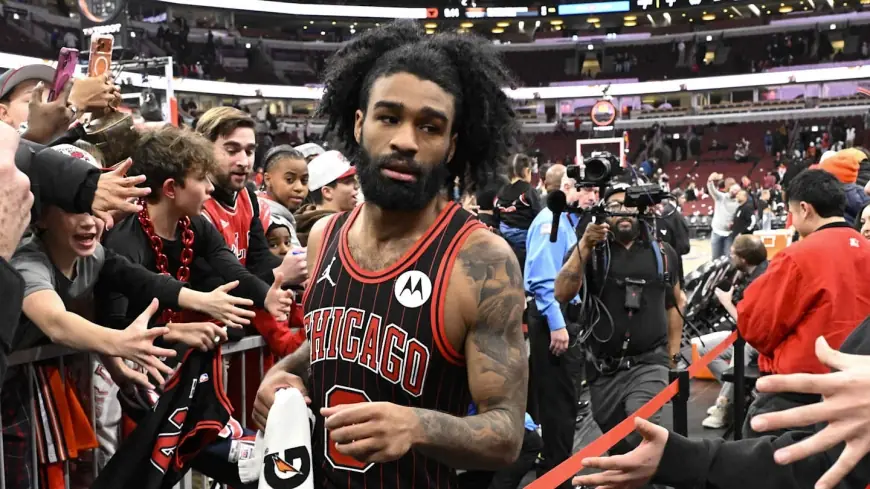
The Chicago Bulls moved two guards—Coby White and veteran Mike Conley Jr.—to the Charlotte Hornets on Wednesday, February 4, 2026 (ET), completing a three-team trade that also pulls the Oklahoma City Thunder into the deal. Chicago’s return centers on guard Collin Sexton, forward Ousmane Dieng, and multiple second-round picks as the Bulls continue reshaping their roster ahead of the trade deadline.
The move immediately changes direction for both teams: Charlotte adds a proven scoring guard in White while taking a low-risk swing on Conley’s experience, and Chicago adds flexibility plus a younger forward in Dieng.
The full trade, broken down
| Team | Incoming | Outgoing |
|---|---|---|
| Bulls | Collin Sexton; Ousmane Dieng; three second-round picks | Coby White; Mike Conley Jr. |
| Hornets | Coby White; Mike Conley Jr.; a 2029 second-round pick | Collin Sexton; Mason Plumlee; second-round picks (to Bulls) |
| Thunder | Mason Plumlee | Ousmane Dieng; 2029 second-round pick |
The structure matters: it’s not just player-for-player. It’s also an asset shuffle that gives Chicago extra draft capital, lets Charlotte swap Sexton for White, and helps Oklahoma City convert a young forward into frontcourt depth.
Why Chicago moved Coby White now
White has been one of Chicago’s most reliable offensive engines when available, and that’s exactly why he held trade value. This season, he’s averaging 18.6 points and 4.7 assists across 29 games, production that fits both a scoring role and a secondary playmaking role.
So why trade him? The Bulls’ broader pattern this week points to a retool: moving established pieces, gathering picks, and keeping options open for the summer. Sexton’s contract situation and the incoming second-rounders provide flexibility, while Dieng represents a development bet—an archetype teams keep chasing when they’re trying to find upside without surrendering premium first-round assets.
What Charlotte is betting on with White and Conley
For the Hornets, White is the clear headliner. He can score off the dribble, run secondary pick-and-roll, and lift the pace—skills that fit a team trying to stabilize its offense around a young core. White also brings postseason-adjacent experience in high-pressure roles, even if he hasn’t been a playoff fixture.
Conley is the unusual piece: he’s 38, and he’s averaging 4.4 points this season. But his value is less about box-score volume and more about organization—getting the team into sets, calming late-clock possessions, and helping younger guards with reads. Whether he stays through the season, becomes a buyout candidate later, or simply serves as short-term depth, he’s a low-cost way to add experience to a roster that has often looked chaotic.
Sexton and Dieng: what the Bulls are getting
Sexton arrives as the most immediate replacement for White’s scoring pressure. This season, Sexton is averaging 14.2 points and 3.7 assists, and his style is direct: attack the paint, pressure the rim, and keep defenses reacting. For Chicago, he can either become a bridge starter or a tradeable piece depending on how the next few weeks develop.
Dieng, 22, is the longer-view play. He’s averaging 3.7 points in 27 games and hasn’t had a large role, but teams still like the profile: size on the wing/forward line, theoretical shooting growth, and defensive versatility if the reps finally come. Chicago’s bet is that a bigger opportunity and clearer developmental runway can unlock something that hasn’t appeared consistently yet.
What this signals for both franchises next
Chicago’s next question is whether this is the end of the selloff or a midpoint. Adding second-round picks often signals a front office that’s comfortable turning the roster over, cycling through young talent, and keeping the books clean.
Charlotte’s question is fit. White is a meaningful upgrade in shot creation, but the Hornets will need to balance touches and roles to avoid overlap and inefficiency. If White slides into a defined scoring-and-connector role, the move looks like a practical talent upgrade rather than a splashy gamble.
The clearest takeaway: both teams chose optionality. The Bulls bought flexibility and future assets; the Hornets bought a player who can tilt games on offense right now.
Sources consulted: Reuters; ESPN; Yahoo Sports; The Charlotte Observer