























Trump Continues Unrestrained Attacks on Women in Media

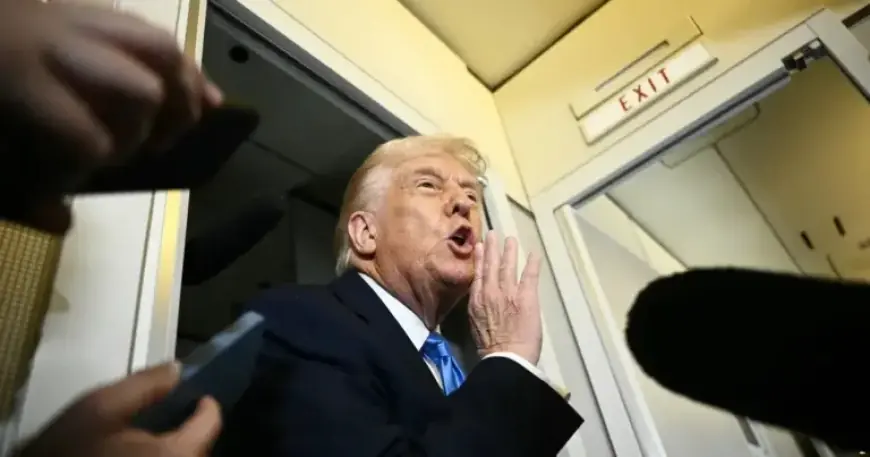
In recent discussions surrounding Homeland Security Secretary Kristi Noem, Donald Trump has made headlines with his comments on gender and media treatment. On a Friday night, Trump voiced his defense of Noem, claiming she faced criticism because she is a woman. This assertion, however, appears to lack merit.
Trump’s Misguided Defense of Noem
Noem’s critics come from both Democratic and Republican circles. Their concerns about her leadership are based on her actions rather than her gender. Ironically, Trump himself may be the least credible messenger regarding issues of misogyny, given his controversial history with women.
Trump’s Attacks on Women in Media
Trump’s recent comment about Noem was not an isolated incident. Just days later, during a White House event, he lashed out at CNN reporter Kaitlan Collins. When pressed about the topic of Jeffrey Epstein, Trump demeaningly told Collins she was “the worst reporter,” while also remarking on her lack of a smile. This interaction is indicative of a troubling trend in Trump’s behavior toward female journalists.
- Date: February 3, 2026 – Trump’s disparagement of Collins occurred while she was attempting to pay respect to Epstein survivors.
- Previous Incidents:
- November 14 – Trump dismissed a Bloomberg reporter’s question with the phrase “Quiet, piggy.”
- November 18 – He criticized ABC News’ Mary Bruce for asking about Jamal Khashoggi’s murder, calling her question “insubordinate.”
These incidents reflect a recurring pattern of Trump’s behavior. His remarks often undermine the professionalism and integrity of women journalists. As a public figure, Trump’s words hold significant weight, making this pattern of behavior concerning.
Societal Implications
Trump’s comments serve as a reminder of the larger cultural issues surrounding the treatment of women in media. The expectation that women should smile or be pleasant, especially in professional settings, is an outdated stereotype that contributes to a toxic environment. It is essential for leaders to recognize the impact of their words and actions.
As the discussions around gender dynamics and media accountability continue, it remains crucial to address these harmful behaviors and advocate for respectful treatment in all professional contexts.