























Oncologist Debunks Common Cancer Myths for World Cancer Day 2026
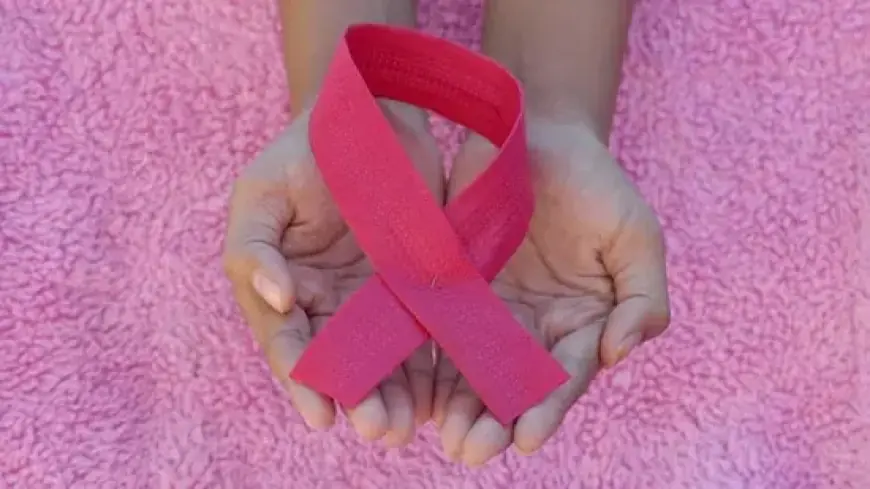
World Cancer Day is a global event celebrated annually on February 4. The initiative aims to elevate discussions on cancer prevention, screening, and treatment options. The theme for 2025 to 2027 is “United by Unique,” emphasizing a personalized approach to cancer diagnosis and treatment.
Insights from an Oncologist on Cancer Myths
As World Cancer Day 2026 approaches, it becomes essential to address common misconceptions about cancer. Many fear that everyday items—ranging from food to consumer products—are cancer-causing. Dr. Aman Rastogi, a consultant in surgical oncology at Max Hospital in Shalimar Bagh, Delhi, sheds light on these myths and offers clarity on what truly constitutes a risk.
The Reality of Carcinogens
The term “carcinogenic” is frequently misused, leading to undue anxiety. Dr. Rastogi explains that a carcinogen can cause cancer, but often only under specific conditions related to dosage, duration, and biological context. He warns against oversimplifying cancer risk to individual ingredients.
- Aloe vera and mobile phone radiation share classifications as carcinogenic, yet actual risks differ significantly.
- Real-world cancer risk is more complex than binary classifications suggest.
Common Misconceptions About Foods and Products
Dr. Rastogi highlights that while some foods are linked to cancer, the narrative surrounding many everyday items is exaggerated.
1. Food-Related Carcinogens
- Processed meats and red meat have a stronger evidence base related to bowel cancer risk.
- Alcohol consumption is associated with an increased risk of several cancers.
- Concerns about palm oil focus on its preparation, not its consumption.
2. Everyday Products
- Sunscreen is often mischaracterized as harmful, despite the greater threat posed by UV rays.
- Sodium lauryl sulfate in toothpaste is approved by regulatory bodies with no credible cancer link.
3. Anti-Cancer Claims
- Many foods marketed as “anti-cancer” lack scientific backing.
- Healthy foods like berries and green tea do not guarantee cancer prevention.
- Excessive consumption of certain foods can even create health risks, as seen with apricot kernels.
A Balanced Approach to Nutrition
Rather than focusing exclusively on “anti-cancer” foods, Dr. Rastogi recommends adopting a balanced diet that ensures intake of all essential nutrients. Making informed dietary choices can empower individuals without falling prey to fear-based misinformation.
It’s vital to recognize the complexity of cancer and the misinformation that can lead to unnecessary anxiety. On this World Cancer Day 2026, let’s prioritize accurate information and holistic approaches to health.
Note: This article is meant for informational purposes and should not replace professional medical advice. Always consult a healthcare provider for specific concerns regarding health and nutrition.